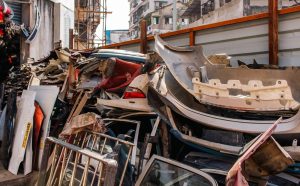
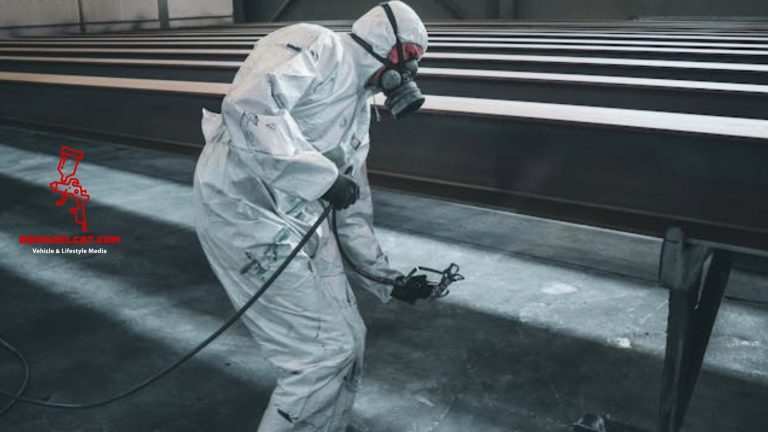
In modern industry, durability and protection are just as important as design and functionality. Whether it is heavy machinery, infrastructure, or vehicles, surfaces are constantly exposed to harsh environments such as moisture, chemicals, heat, and abrasion. Without proper protection, these elements can lead to corrosion, wear, and costly damage.
This is where industrial coating becomes essential. Many people, especially those involved in automotive repair or restoration, often ask: What Is Industrial Coating and how does it differ from ordinary paint? The answer lies in its purpose, formulation, and performance.
Industrial coatings are engineered not just for appearance, but for long-term protection and performance. In the automotive world, they play a crucial role in body repair, rust prevention, and finishing quality. This article explores the definition, types, and benefits of industrial coating, while gradually connecting the concept to car body repair and refinishing applications.
Understanding What is Industrial Coating
General Definition
Industrial coating refers to a specialized layer of material applied to surfaces to protect them from environmental damage, corrosion, and wear. Unlike decorative paints, these coatings are designed with specific functional properties in mind.
When discussing What Is Industrial Coating, it is important to understand that it serves both protective and performance-enhancing purposes. It can be applied to metal, concrete, plastic, and other materials depending on the application.
In simple terms, industrial coating acts as a barrier between the base material and external elements that could cause deterioration.
Scientific and Technical Perspective
From a technical standpoint, industrial coatings are formulated using a combination of resins, pigments, solvents, and additives. Each component serves a specific function:
- Resins provide adhesion and durability
- Pigments offer color and protection against UV rays
- Solvents control application viscosity
- Additives enhance properties like corrosion resistance or flexibility
These coatings undergo chemical curing processes, such as evaporation, oxidation, or polymerization, to form a strong and durable film.
Understanding What Is Industrial Coating from this perspective highlights the level of engineering involved in creating high-performance protective layers.
Key Characteristics of Industrial Coatings
Industrial coatings are distinct due to several important characteristics:
- High resistance to corrosion, chemicals, and weather
- Strong adhesion to various substrates
- Long service life, often lasting 5–20 years depending on conditions
- Ability to withstand extreme temperatures
- Customizable formulations for specific industries
These features make industrial coatings essential in sectors such as automotive, marine, construction, and manufacturing industry.
Types of Industrial Coating
Industrial coatings come in various types, each designed for specific applications and performance requirements.
1. Epoxy Coatings
Epoxy coatings are widely used due to their excellent adhesion and chemical resistance. They form a hard, durable surface that protects against corrosion and mechanical damage.
Common uses include:
- Industrial floors
- Pipelines
- Automotive underbody protection
In automotive repair, epoxy primers are often used as a base layer before painting to ensure strong adhesion and rust protection.
2. Polyurethane Coatings
Polyurethane coatings are known for their flexibility, UV resistance, and glossy finish. They are often used as a topcoat to enhance appearance and durability.
Applications include:
- Automotive paint finishes
- Exterior metal structures
- Protective coatings for machinery
These coatings are particularly important in car body finishing, where both aesthetics and protection are required.
3. Powder Coatings
Powder coating is a dry finishing process where powdered material is electrostatically applied and then cured under heat.
Advantages include:
- No solvent emissions (environmentally friendly)
- Uniform coating thickness
- High resistance to chipping and scratching
Powder coating is commonly used for wheels, frames, and metal components in vehicles.
4. Zinc Coatings (Galvanization)
Zinc coatings protect steel by acting as a sacrificial layer that prevents rust formation.
This method is widely used in:
- Automotive body panels
- Structural steel components
- Fasteners and hardware
Galvanized steel is a standard material in modern car manufacturing to improve corrosion resistance.
5. Acrylic Coatings
Acrylic coatings provide good weather resistance and color retention. They are often used in applications where appearance is important.
Examples include:
- Exterior automotive paint
- Decorative metal finishes
Each type contributes to a broader understanding of What Is Industrial Coating, depending on the specific use case.
Industrial Coating Process
The effectiveness of industrial coating depends not only on the material used but also on the application process.
1. Surface Preparation
This is the most critical step. The surface must be cleaned and prepared to ensure proper adhesion.
Common methods include:
- Sandblasting to remove rust and old paint
- Degreasing to eliminate oil and contaminants
- Chemical treatment for improved bonding
In automotive industry such as body repair, improper surface preparation is one of the main causes of coating failure.
2. Application Methods
Industrial coatings can be applied using various techniques:
- Spray coating (most common in automotive painting)
- Brush or roller application
- Electrostatic application (for powder coating)
Each method is chosen based on the type of coating and the surface geometry.
3. Curing and Drying
After application, the coating must cure to achieve its final properties. This may involve:
- Air drying
- Heat curing in ovens (typically 150–200°C for powder coating)
- Chemical curing processes
Proper curing ensures durability and long-term performance.
Understanding these steps provides practical insight into What Is Industrial Coating in real-world applications.
Benefits of Industrial Coating
Industrial coatings offer a wide range of benefits that make them essential in modern industry.
Protection Against Corrosion
One of the primary functions of industrial coating is to prevent rust and corrosion. This is especially important for metal components exposed to moisture and chemicals.
Increased Durability
Coatings enhance the lifespan of materials by protecting them from wear, impact, and environmental damage.
For example, a properly coated car underbody can last 5–10 years longer without significant rust issues.
Improved Aesthetic Appeal
In addition to protection, coatings provide a smooth and attractive finish. This is crucial in automotive applications where appearance affects resale value.
Cost Efficiency
Although industrial coatings require an initial investment, they reduce long-term maintenance and repair costs.
Key Benefits Summary
- Extends material lifespan
- Reduces maintenance costs
- Enhances resistance to harsh environments
- Improves visual appearance
- Supports structural integrity
These advantages clearly demonstrate why industries rely heavily on coating technologies.
Industrial Coating in Automotive Body Repair
Industrial coating plays a vital role in automotive repair and refinishing, especially when dealing with damaged or corroded body parts.
Rust Treatment and Prevention
Before repainting a vehicle, technicians often apply anti-corrosion coatings such as epoxy primers or zinc-based treatments. This prevents rust from reappearing.
Undercoating Applications
Undercoating is a specific type of industrial coating applied to the underside of vehicles. It protects against:
- Water and mud
- Road salt
- Stone chips
Typical undercoating costs can range from $100 to $500 depending on the vehicle size and product quality.
Paint System Layers
A standard automotive coating system includes:
- Primer (for adhesion and corrosion protection)
- Base coat (for color)
- Clear coat (for gloss and UV protection)
Each layer serves a specific purpose, ensuring both durability and visual quality.
Repair and Refinishing
Industrial coatings are essential in restoring damaged vehicles. They help achieve a factory-like finish while maintaining structural protection.
Understanding What Is Industrial Coating in this context makes it clear how critical it is for maintaining vehicle condition and value.
Challenges in Industrial Coating
Despite its benefits, industrial coating also faces several challenges:
Environmental Regulations
Many coatings contain volatile organic compounds (VOCs), which are regulated due to environmental concerns. This has led to the development of low-VOC and water-based coatings.
Application Complexity
Proper application requires skilled technicians and controlled environments. Poor application can lead to defects such as peeling, bubbling, or uneven coverage.
Cost Factors
High-performance coatings can be expensive, especially for large-scale applications or premium automotive finishes.
Future Trends in Industrial Coating
The industry continues to evolve with new technologies and sustainability goals.
Eco-Friendly Coatings
Water-based and powder coatings are gaining popularity due to lower environmental impact.
Nanotechnology Coatings
Advanced coatings using nanotechnology offer enhanced durability, self-cleaning properties, and improved resistance.
Smart Coatings
These coatings can respond to environmental changes, such as temperature or pressure, providing additional functionality.
Automation in Application
Robotic systems are increasingly used in automotive painting to ensure precision and consistency.
These innovations provide a forward-looking perspective on What Is Industrial Coating and its future potential.
Conclusion
Industrial coating is a vital component of modern industry, providing protection, durability, and aesthetic value to a wide range of materials and products. From heavy machinery to automotive body panels, coatings play a critical role in extending lifespan and maintaining performance.
Understanding What Is Industrial Coating involves exploring its definition, types, processes, and benefits. It also requires recognizing its importance in practical applications such as car body repair, rust prevention, and finishing systems.
As technology advances, industrial coatings will continue to evolve, offering more efficient, sustainable, and high-performance solutions. For anyone involved in the automotive field, mastering the basics of industrial coating is essential for achieving long-lasting and professional results.