
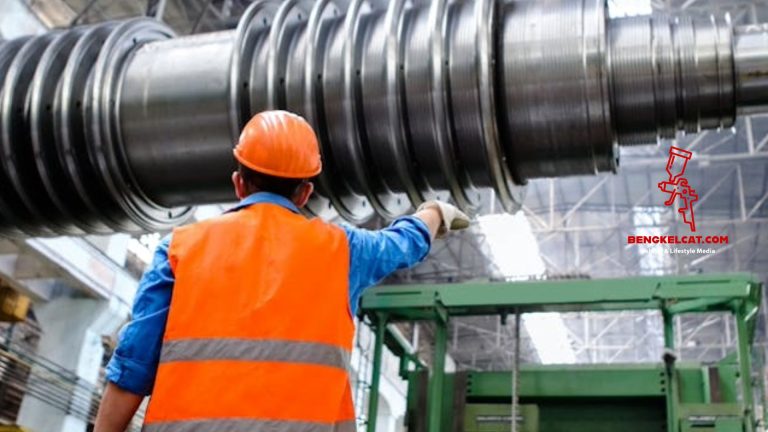
Metal is one of the most essential materials in human civilization. From the earliest tools to modern vehicles, infrastructure, and machinery, metals have played a central role in shaping technological progress. In today’s industrial landscape, the metal industry stands as a critical foundation for sectors such as construction, manufacturing, and especially automotive.
For those involved in automotive topics, understanding how metals are produced, processed, and applied can provide valuable insight into vehicle performance, durability, and cost. This is where the question often arises: What Is Metal Industry and why is it so important in modern industry?
The answer goes beyond simple definitions. The metal industry encompasses a wide range of activities, from mining raw ores to producing high-precision components used in engines and structural systems. This article explores the meaning of the metal industry, its types, processes, and real-world applications, particularly in the automotive sector.
Understanding What is Metal Industry
General Definition
At its core, the metal industry refers to the sector involved in the extraction, processing, refining, and fabrication of metallic materials. These materials include iron, steel, aluminum, copper, and various alloys used across different industries.
When discussing What Is Metal Industry, it is important to recognize that it covers both upstream and downstream activities. Upstream processes include mining and smelting, while downstream processes involve shaping metals into usable products.
In simple terms, the metal industry transforms raw mineral resources into functional materials that can be used in construction, transportation, and manufacturing.
Scientific and Industrial Perspective
From a scientific standpoint, the metal industry involves metallurgical processes that change the physical and chemical properties of metals. These processes include:
- Smelting to extract metal from ore
- Alloying to improve strength and durability
- Heat treatment to alter hardness and flexibility
- Surface treatment to enhance corrosion resistance
In industrial applications, these processes are highly controlled to ensure consistency and quality. For example, steel used in automotive frames must meet strict standards for tensile strength and impact resistance.
Understanding What Is Metal Industry from this perspective highlights its technical complexity and precision.
Key Characteristics of the Metal Industry
The metal industry has several defining characteristics that distinguish it from other sectors:
- High energy consumption, especially in smelting and refining
- Dependence on natural resources such as iron ore and bauxite
- Integration with manufacturing and heavy industries
- Continuous innovation in materials science
- Strong influence on global trade and pricing
These characteristics make the metal sector a strategic component of industrial economies.
Types of Metal Industry
The metal industry can be broadly categorized based on the type of metals processed and the stage of production.
1. Ferrous Metal Industry
Ferrous metals contain iron as their primary component. This category is the backbone of heavy industry and infrastructure development.
Examples include:
- Steel production
- Cast iron manufacturing
- Structural metal fabrication
Steel alone accounts for a significant portion of global metal production, with billions of tons produced annually. In automotive manufacturing, steel is widely used for chassis, body panels, and safety components.
When exploring What Is Metal Industry, the ferrous sector is often the most dominant and widely recognized.
2. Non-Ferrous Metal Industry
Non-ferrous metals do not contain iron and are valued for their unique properties such as corrosion resistance, light weight, and electrical conductivity.
Common examples include:
- Aluminum
- Copper
- Zinc
- Nickel
In the automotive industry, aluminum is increasingly used to reduce vehicle weight and improve fuel efficiency. A typical modern car may contain 150–250 kg of aluminum components.
3. Precious Metal Industry
This segment focuses on rare and valuable metals such as gold, silver, and platinum. While often associated with jewelry, these metals also have industrial applications.
For example:
- Platinum is used in catalytic converters
- Silver is used in electrical systems
- Gold is used in high-end electronics
Although smaller in volume, this segment plays a critical role in advanced technologies.
4. Secondary Metal Industry (Recycling)
Recycling is becoming an increasingly important part of the metal industry. Secondary production involves reprocessing scrap metal into new products.
Benefits include:
- Reduced energy consumption (up to 60–70% less for aluminum)
- Lower environmental impact
- Cost efficiency
Recycled steel and aluminum are widely used in automotive manufacturing, making this sector highly relevant.
Each of these categories helps clarify What Is Metal Industry from a structural and functional perspective.
Metal Industry Processes
The transformation of raw materials into usable metal products involves several key stages. These processes are essential for ensuring quality, performance, and consistency.
1. Mining and Extraction
The process begins with mining, where metal ores are extracted from the Earth. Common sources include:
- Iron ore for steel production
- Bauxite for aluminum
- Copper ore for electrical components
Mining operations can be large-scale and require significant investment in equipment and infrastructure.
2. Smelting and Refining
After extraction, ores are processed to remove impurities and extract pure metal. Smelting involves heating the ore at high temperatures, often exceeding 1,500°C for steel production.
Refining further improves the metal’s purity and quality. This stage is critical for ensuring that the final material meets industrial standards.
3. Forming and Shaping
Once refined, metals are shaped into usable forms through processes such as:
- Rolling into sheets
- Casting into molds
- Forging under pressure
- Extrusion into specific profiles
These processes determine the final shape and mechanical properties of the metal.
4. Finishing and Surface Treatment
To enhance performance, metals undergo finishing processes such as:
- Coating (e.g., galvanizing for corrosion resistance)
- Polishing for aesthetic appeal
- Heat treatment for strength and durability
In automotive applications, surface treatments are crucial for preventing rust and extending component lifespan.
Understanding these stages provides a practical view of What Is Metal Industry in action.
Applications of the Metal Industry in Automotive Sector
The automotive industry relies heavily on metal materials for structural integrity, safety, and performance. Nearly every part of a vehicle involves some form of metal processing.
Structural Components
Metals are used to build the core structure of vehicles, including:
- Chassis and frames
- Body panels
- Reinforcement beams
Steel remains the dominant material due to its strength and affordability.
Engine and Powertrain Parts
High-performance metals are essential for engine components that operate under extreme conditions.
Examples include:
- Pistons (often aluminum alloys)
- Crankshafts (forged steel)
- Cylinder heads
These components must withstand high temperatures and pressures, making material quality critical.
Suspension and Safety Systems
Metal components ensure vehicle stability and safety.
Key parts include:
- Control arms
- Springs and shock absorbers
- Brake discs
Durability and fatigue resistance are key considerations in these applications.
Electrical and Electronic Systems
Non-ferrous metals such as copper are widely used in wiring and electrical systems.
Modern vehicles, especially electric cars, rely heavily on advanced metal components for efficient energy transfer.
Key Automotive Metal Applications
- Steel for structural strength and crash protection
- Aluminum for weight reduction and efficiency
- Copper for electrical conductivity
- Magnesium for lightweight components
These applications clearly demonstrate the close relationship between the metal sector and automotive innovation.
Challenges in the Metal Industry
Despite its importance, the metal industry faces several challenges:
Environmental Concerns
Metal production is energy-intensive and contributes to carbon emissions. For example, steel manufacturing accounts for approximately 7–9% of global CO₂ emissions.
Resource Depletion
Finite natural resources such as iron ore and bauxite require careful management to ensure long-term sustainability.
Price Volatility
Metal prices fluctuate based on global demand, supply chain disruptions, and geopolitical factors. This directly impacts manufacturing costs, including vehicle production.
Technological Demands
As industries evolve, there is increasing demand for advanced materials with higher performance and lower environmental impact.
These challenges influence how the industry evolves and adapts.
Future Trends in the Metal Industry
The metal industry is undergoing significant transformation driven by technology and sustainability goals.
Lightweight Materials
Automotive manufacturers are increasingly using lightweight metals such as aluminum and magnesium to improve fuel efficiency and reduce emissions.
Green Steel Production
New technologies aim to reduce carbon emissions in steel production, including hydrogen-based processes.
Recycling and Circular Economy
Recycling is becoming a key strategy for reducing environmental impact and conserving resources.
Advanced Alloys
Research in materials science is leading to the development of stronger, lighter, and more durable metal alloys.
These trends offer a forward-looking perspective on What Is Metal Industry and its evolving role in modern industry.
Conclusion
The metal industry is a fundamental pillar of industrial development, supporting a wide range of sectors from construction to automotive manufacturing. It involves complex processes that transform raw materials into essential components used in everyday life.
Understanding What Is Metal Industry requires examining its definition, types, processes, and applications. From ferrous and non-ferrous metals to advanced alloys and recycling systems, the industry continues to evolve to meet modern demands.
In the automotive world, metals are indispensable. They determine vehicle strength, efficiency, safety, and overall performance. As technology advances and sustainability becomes a priority, the metal industry will continue to innovate and adapt.
Ultimately, the metal industry is not just about materials—it is about enabling progress, engineering excellence, and the future of mobility.