
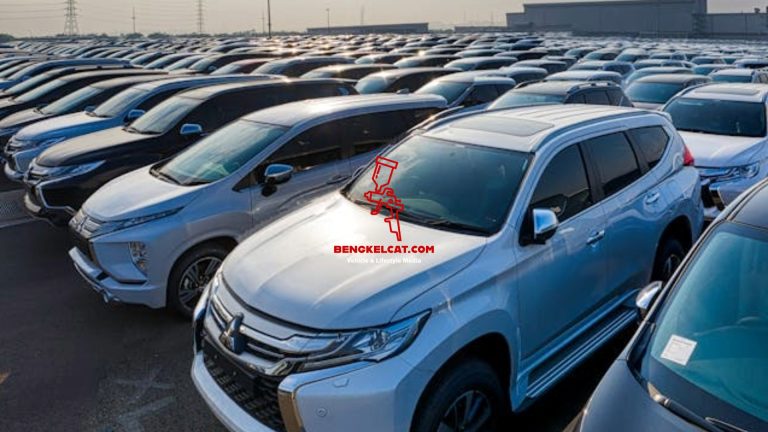
The automotive sector is one of the most dynamic and influential industries in the world. It shapes how people move, how goods are transported, and how economies grow. From the design of vehicles to their manufacturing, maintenance, and aftermarket services, the automotive industry covers a vast and interconnected ecosystem.
For readers who have explored topics like manufacturing, metal processing, and industrial coating, the next logical step is understanding how all these elements come together in one integrated sector. This leads to a fundamental question: What Is Automotive Industry, and what exactly does it include?
The answer goes beyond simply producing cars. The automotive industry encompasses a wide range of activities, including research and development, supply chain management, production, sales, and after-sales services. This article provides a comprehensive explanation of its definition, scope, and real-world relevance, especially for those involved in automotive repair, maintenance, and technical fields.
Understanding the Automotive Industry
General Definition
The automotive industry refers to all businesses and activities involved in the design, development, manufacturing, marketing, and maintenance of motor vehicles. These vehicles include cars, trucks, motorcycles, and commercial transport units.
When discussing What Is Automotive Industry, it is important to recognize that it is not limited to vehicle production. It also includes parts suppliers, service providers, and supporting industries such as metal processing and industrial coating.
In simple terms, the automotive sector is a complete ecosystem that supports the lifecycle of a vehicle, from concept to disposal.
Scientific and Economic Perspective
From an economic standpoint, the automotive industry is part of the manufacturing sector, specifically within the secondary industry. However, it also overlaps with tertiary services such as financing, insurance, and maintenance.
Scientifically, the automotive industry involves multiple disciplines, including:
- Mechanical engineering (engine and drivetrain systems)
- Electrical engineering (vehicle electronics and control systems)
- Materials science (metals, plastics, composites)
- Chemical engineering (fuels, coatings, lubricants)
These disciplines work together to produce vehicles that meet performance, safety, and environmental standards.
Understanding What Is Automotive Industry from this perspective highlights its complexity and multidisciplinary nature.
Key Characteristics of the Automotive Industry
The automotive sector has several defining characteristics:
- High capital investment, often reaching billions of dollars per factory
- Complex global supply chains involving thousands of suppliers
- Strong emphasis on quality, safety, and regulatory compliance
- Continuous innovation in technology and design
- Large-scale production combined with customization options
These characteristics make it one of the most competitive and technologically advanced industries in the world.
Scope of the Automotive Industry
The scope of the automotive industry is broad and includes multiple interconnected segments. Each segment plays a specific role in delivering vehicles to end users.
1. Vehicle Manufacturing
This is the core segment of the industry, where vehicles are designed and assembled. It includes:
- Passenger cars
- Commercial vehicles (trucks, buses)
- Two-wheelers and motorcycles
Modern automotive manufacturing involves highly automated assembly lines capable of producing one vehicle every 60–120 seconds.
2. Auto Parts and Components Industry
This segment supplies the parts required for vehicle production. It includes both original equipment manufacturers (OEMs) and aftermarket suppliers.
Key components include:
- Engine parts
- Transmission systems
- Suspension and braking systems
- Electrical and electronic components
A single vehicle can contain more than 30,000 parts, highlighting the importance of this segment.
3. Automotive Sales and Distribution
Once vehicles are produced, they must be distributed and sold. This involves dealerships, marketing strategies, and logistics networks.
Sales channels include:
- Authorized dealerships
- Online platforms
- Fleet and commercial sales
Pricing can vary widely, from around $10,000 for entry-level cars to over $100,000 for premium vehicles.
4. Aftermarket Services
The aftermarket segment covers maintenance, repair, and customization services. This is where many automotive blogs and businesses focus their attention.
Examples include:
- Routine servicing (oil changes, brake checks)
- Body repair and repainting
- Spare parts replacement
- Performance upgrades
Understanding What Is Automotive Industry is incomplete without recognizing the importance of this segment, which extends the lifespan of vehicles.
5. Supporting Industries
The automotive sector relies heavily on other industries, such as:
- Metal industry for structural components
- Manufacturing industry for production processes
- Industrial coating for corrosion protection and finishing
These supporting industries ensure that vehicles meet durability and performance standards.
Automotive Industry Value Chain
To fully understand the scope, it is useful to look at the automotive value chain. This represents the sequence of activities required to bring a vehicle to market.
1. Research and Development (R&D)
R&D focuses on innovation, design, and testing. This stage can take several years and involves significant investment.
For example, developing a new car model may cost between $1 billion and $6 billion depending on complexity.
2. Sourcing and Procurement
Manufacturers source raw materials and components from suppliers worldwide. Efficient procurement is essential for maintaining production schedules.
3. Manufacturing and Assembly
This stage involves transforming raw materials into finished vehicles. It includes stamping, welding, painting, and final assembly.
4. Distribution and Sales
Vehicles are transported to dealerships and sold to customers. Marketing and branding play a key role in this stage.
5. After-Sales Services
After purchase, vehicles require maintenance, repairs, and upgrades. This stage generates long-term revenue for businesses.
This value chain provides a practical framework for understanding What Is Automotive Industry in real-world operations.
Role of the Automotive Industry in the Economy
The automotive industry is a major driver of economic growth and development worldwide.
Employment Generation
The industry provides millions of jobs globally, including:
- Factory workers
- Engineers and designers
- Sales and marketing professionals
- Technicians and mechanics
In many countries, the automotive sector accounts for 5–10% of total employment.
Contribution to GDP
Automotive production contributes significantly to national economies. In some industrialized countries, it represents up to 10% of GDP.
Technological Innovation
The industry drives innovation in areas such as:
- Electric vehicles (EVs)
- Autonomous driving
- Advanced safety systems
These innovations often influence other industries as well.
Infrastructure Development
The growth of the automotive sector leads to improved infrastructure, including roads, highways, and charging stations for electric vehicles.
Understanding What Is Automotive Industry also means recognizing its broader impact on society and economic systems.
Trends Shaping the Automotive Industry
The automotive sector is evolving rapidly due to technological advancements and changing consumer preferences.
Electrification
Electric vehicles are becoming more popular due to environmental concerns and government regulations. Battery costs have decreased significantly, making EVs more accessible.
Digitalization
Modern vehicles are equipped with advanced software, connectivity features, and smart systems. This shift is transforming cars into digital platforms.
Sustainability
Manufacturers are focusing on reducing emissions and using eco-friendly materials. Recycling and lightweight materials are becoming standard practices.
Automation and Smart Manufacturing
Factories are adopting automation and robotics to improve efficiency and reduce costs. Some plants operate with over 70% automation.
These trends provide a forward-looking perspective on What Is Automotive Industry and how it continues to evolve.
Challenges in the Automotive Industry
Despite its growth, the automotive sector faces several challenges:
Supply Chain Disruptions
Global events can affect the availability of components, leading to production delays.
Rising Costs
Raw materials such as steel and aluminum can fluctuate in price, impacting overall production costs.
Regulatory Requirements
Strict environmental and safety regulations require continuous adaptation and investment.
Technological Transition
The shift to electric and autonomous vehicles requires significant changes in infrastructure and workforce skills.
Conclusion
The automotive industry is a vast and interconnected sector that goes far beyond vehicle production. It includes manufacturing, parts supply, sales, and aftermarket services, all supported by related industries such as metal processing and industrial coating.
Understanding What Is Automotive Industry involves examining its definition, scope, and value chain. It also requires recognizing its role in economic development, technological innovation, and everyday life.
As the industry continues to evolve with electrification, digitalization, and sustainability, it will remain a key driver of global progress. For those involved in automotive topics, a deep understanding of this industry provides a strong foundation for exploring more specialized areas such as repair, maintenance, and performance optimization.