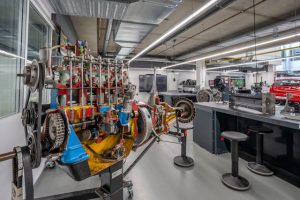
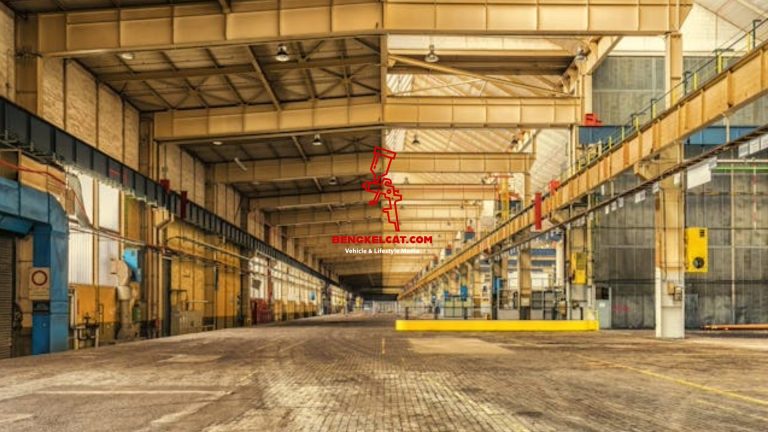
The manufacturing sector is one of the most influential pillars of modern economic development. It transforms raw materials into finished goods that people use every day, from household appliances to vehicles and industrial machinery. For readers involved in the automotive world, understanding manufacturing is especially important because every vehicle on the road is the result of a complex and highly structured production process.
Many people often ask, What Is Manufacturing Industry, especially when trying to connect broader industrial concepts with practical applications like car production, spare parts, and aftermarket components. This question becomes even more relevant in an era where automation, global supply chains, and advanced materials are reshaping how products are made.
This article provides a comprehensive explanation of the manufacturing industry, including its definition, processes, types, and real-world examples. It also bridges the discussion to the automotive sector, helping you understand how manufacturing directly impacts vehicle quality, cost, and performance.
Understanding the Definition of Manufacturing Industry
General Definition
At its core, manufacturing industry refers to the sector of the economy that converts raw materials into finished or semi-finished products through the use of labor, machinery, tools, and chemical processes. These products are then distributed to consumers or other industries.
When answering What Is Manufacturing Industry, the simplest explanation is that it is the process of making goods on a large scale. This includes everything from small workshops producing custom parts to massive factories assembling thousands of vehicles each day.
Manufacturing plays a critical role in adding value. For example, raw steel has limited direct use, but when processed into car frames or engine components, its value increases significantly.
Scientific and Economic Perspective
From an economic standpoint, manufacturing is classified as part of the secondary sector. It sits between raw material extraction (primary sector) and service delivery (tertiary sector).
Scientifically, manufacturing involves controlled processes such as:
- Mechanical transformation (cutting, shaping, assembling)
- Chemical processing (refining, mixing, coating)
- Thermal processes (melting, forging, heat treatment)
These processes require precision, standardization, and quality control. In automotive manufacturing, tolerances can be as tight as 0.01 mm for engine components, highlighting the level of accuracy involved.
Understanding What Is Manufacturing Industry from this perspective reveals its complexity and importance in ensuring consistent product quality.
Key Characteristics of Manufacturing Industry
To better define this sector, it is useful to recognize its main characteristics:
- Large-scale production with standardized processes
- Use of machinery, automation, and skilled labor
- Dependence on supply chains and logistics
- Focus on efficiency, cost control, and quality assurance
- Integration with research and development
These characteristics make manufacturing distinct from other types of economic activities.
Manufacturing Process: From Raw Materials to Finished Products
The manufacturing process is a structured sequence of steps designed to transform inputs into usable products. While processes vary by industry, the core stages are generally similar.
1. Product Design and Development
Every manufactured product begins with a concept. Engineers and designers create detailed plans using software such as CAD (Computer-Aided Design).
In the automotive sector, this stage can take 2–5 years for a new vehicle model. It includes prototyping, testing, and refinement to ensure performance, safety, and efficiency.
2. Material Sourcing
Once the design is finalized, manufacturers source raw materials such as metals industry, plastics, rubber, and electronic components.
For example, a typical car requires:
- 800–1,000 kg of steel
- 100–150 kg of aluminum
- Various plastics and composites
Efficient sourcing is crucial to maintain production schedules and control costs.
3. Production and Assembly
This is the core stage where manufacturing takes place. It involves multiple processes such as:
- Cutting and shaping materials
- Welding and joining components
- Machining precision parts
- Assembling sub-components into final products
In automotive factories, assembly lines can produce one vehicle every 60–120 seconds, depending on the level of automation.
4. Quality Control and Testing
Quality assurance ensures that products meet required standards. This includes inspections, testing, and performance evaluations.
In car manufacturing, tests may include:
- Engine performance testing
- Brake system validation
- Structural integrity checks
Strict quality control reduces defects and enhances customer satisfaction.
5. Packaging and Distribution
Finally, products are packaged and distributed to dealers, retailers, or end-users. Efficient logistics play a key role in ensuring timely delivery.
Understanding these steps helps clarify What Is Manufacturing Industry in practical terms, especially when applied to real-world production systems.
Types of Manufacturing Industry
Manufacturing industries can be categorized based on their production methods and output characteristics.
1. Discrete Manufacturing
Discrete manufacturing involves producing distinct items that can be easily counted, touched, and identified.
Examples include:
- Automobiles
- Electronics
- Furniture
Each product is assembled from individual components. In automotive manufacturing, thousands of parts come together to form a single vehicle.
2. Process Manufacturing
Process manufacturing deals with products that are produced in bulk and cannot be easily separated into individual units.
Examples include:
- Chemicals
- Fuel and oil
- Food and beverages
These industries rely heavily on formulas and continuous production methods.
3. Job Shop Manufacturing
This type focuses on small-scale, customized production. Products are often made based on specific customer requirements.
Examples include:
- Custom car modifications
- Specialized machine parts
- Prototype development
Job shops are common in the automotive aftermarket, where unique components are often required.
4. Batch Manufacturing
Batch manufacturing produces goods in groups or batches rather than continuous production.
For instance, a factory may produce 1,000 units of a specific car component before switching to another product.
5. Continuous Manufacturing
Continuous manufacturing operates 24/7 to produce large volumes of standardized products.
Industries such as steel production and petroleum refining typically use this method.
Each type provides a different perspective on What Is Manufacturing Industry, depending on the scale and nature of production.
Real-World Examples of Manufacturing Industry
To better understand the concept, let’s look at practical examples across different sectors, with a focus on automotive relevance.
Automotive Manufacturing
This is one of the most complex and advanced manufacturing industries. It involves the production of vehicles, engines, and spare parts.
Key processes include:
- Stamping metal sheets into body panels
- Welding frames and structures
- Painting and coating for durability
- Final assembly and inspection
A modern car can consist of over 30,000 individual parts, all manufactured with high precision.
Electronics Manufacturing
This industry produces devices such as smartphones, sensors, and control units.
In automotive applications, electronics manufacturing plays a vital role in:
- Engine control units (ECU)
- Infotainment systems
- Advanced driver-assistance systems (ADAS)
Metal Fabrication Industry
Metal fabrication supports automotive manufacturing by producing components like:
- Chassis frames
- Exhaust systems
- Suspension parts
Processes include cutting, bending, and welding metal materials.
Plastic and Composite Manufacturing
Modern vehicles use a significant amount of plastic and composite materials to reduce weight and improve fuel efficiency.
Examples include:
- Interior panels
- Bumpers
- Dashboard components
These examples demonstrate how diverse and interconnected manufacturing industries are.
The Role of Manufacturing in the Automotive Industry
Manufacturing is the backbone of the automotive sector. Without it, vehicles would not exist, and innovation would stagnate.
Supporting Mass Production
Manufacturing enables large-scale vehicle production, making cars more affordable. For example, economies of scale can reduce production costs by 20–30% when output increases significantly.
Driving Innovation
Advancements in manufacturing technology lead to better vehicles. Innovations such as electric vehicle production, lightweight materials, and automated assembly lines are reshaping the industry.
Ensuring Quality and Safety
High manufacturing standards ensure that vehicles meet safety regulations. Precision engineering reduces the risk of defects and improves reliability.
Enabling Aftermarket Industry
Manufacturing also supports the automotive aftermarket, including spare parts, accessories, and performance upgrades.
Examples include:
- Brake systems
- Suspension kits
- Engine components
Understanding What Is Manufacturing Industry in this context highlights its direct impact on vehicle performance and maintenance.
Challenges in the Manufacturing Industry
Despite its importance, manufacturing faces several challenges:
- Rising raw material costs
- Supply chain disruptions
- Labor shortages in skilled positions
- Environmental regulations and sustainability demands
For example, fluctuations in steel prices can significantly affect vehicle production costs.
Future Trends in Manufacturing
The manufacturing industry continues to evolve rapidly. Key trends include:
Automation and Robotics
Factories are increasingly using robots to improve efficiency and reduce human error. In some automotive plants, over 70% of assembly tasks are automated.
Smart Manufacturing
Technologies such as IoT and data analytics enable real-time monitoring and optimization of production processes.
Sustainable Manufacturing
Companies are adopting eco-friendly practices, such as recycling materials and reducing emissions.
Electric Vehicle Production
The shift toward electric vehicles is transforming manufacturing processes, requiring new materials and production techniques.
These trends provide a forward-looking view of What Is Manufacturing Industry and its future direction.
Conclusion
The manufacturing industry is a vital component of the global economy, transforming raw materials into products that support daily life and industrial growth. From simple tools to advanced vehicles, manufacturing drives innovation, efficiency, and economic progress.
Understanding What Is Manufacturing Industry involves exploring its definition, processes, types, and real-world applications. It also requires recognizing its critical role in sectors like automotive, where precision and quality are essential.
As technology continues to advance, manufacturing will become even more efficient, sustainable, and interconnected. For anyone involved in the automotive field, a solid understanding of manufacturing is not just beneficial—it is essential for staying competitive and informed in a rapidly evolving industry.