Corrosion is one of the most common and destructive problems faced by vehicle owners worldwide. Over time, exposure to moisture, oxygen, and environmental contaminants can gradually deteriorate metal surfaces, leading to structural damage and reduced vehicle value. Rust on Cars is not just a cosmetic issue—it can compromise safety, weaken critical components, and significantly increase maintenance costs if left untreated.
Understanding how rust forms, how to fix it properly, and how to prevent it from returning is essential for anyone who wants to extend the lifespan of their vehicle. Whether you drive daily in humid climates, coastal areas, or regions with heavy rainfall, taking proactive steps can save both time and money.
In this guide, we will explore the causes, repair methods, and prevention strategies in detail, providing practical insights that are easy to follow and applicable to most vehicles.
What Causes Rust and Why It Spreads
Rust is the result of a chemical reaction known as oxidation. When iron or steel comes into contact with water and oxygen, it forms iron oxide, commonly known as rust. This process accelerates in the presence of salt, dirt, and pollutants.
Rust on Cars tends to spread quickly because once the protective paint layer is compromised, the exposed metal becomes vulnerable to further corrosion.
Common Triggers of Rust Formation
Several factors contribute to the development of corrosion on vehicles:
- High humidity and frequent rain exposure
- Road salt used in colder climates
- Coastal air with high salt content
- Scratches or chipped paint
- Poor maintenance and lack of cleaning
Even small paint damage can become a starting point for corrosion. Once rust begins, it can spread beneath the paint, making it difficult to detect early.
Types of Rust Found on Vehicles
Understanding the different types of rust helps determine the right repair approach:
- Surface Rust
This is the earliest stage and affects only the top layer of metal. It usually appears as small spots or bubbles under the paint. - Scale Rust
At this stage, corrosion begins to penetrate deeper, causing the metal to flake and weaken. - Penetrating Rust
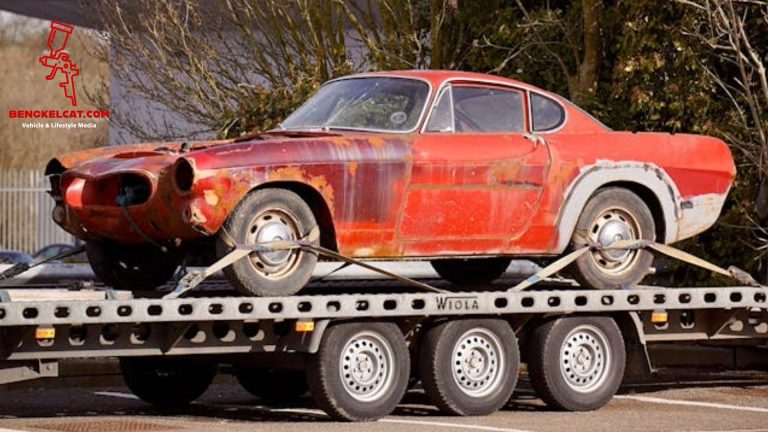
The most severe form, where rust eats through the metal, creating holes and structural damage.
Rust on Cars becomes significantly more expensive to fix as it progresses from surface to penetrating rust. Early detection is key to minimizing repair costs.
How to Fix Rust on a Car
Repairing corrosion depends on its severity. Minor issues can be handled with DIY methods, while severe damage often requires professional intervention.
1. Fixing Surface Rust
Surface rust is the easiest to repair and can often be handled at home with basic tools.
Steps include:
- Sanding the affected area using fine-grit sandpaper
- Applying a rust converter or primer
- Repainting the surface with matching automotive paint
- Sealing with a clear coat for protection
This process typically takes a few hours and costs between $20 to $100, depending on materials used.
Rust on Cars at this stage is manageable and does not usually affect structural integrity.
2. Repairing Scale Rust
When corrosion begins to flake and penetrate deeper, more intensive work is required.
The process includes:
- Removing rust using a wire brush or grinder
- Applying body filler to smooth the surface
- Sanding and leveling the repaired area
- Repainting and sealing
This type of repair may cost between $100 to $500 if done professionally. DIY repairs are possible but require more skill and patience.
3. Fixing Penetrating Rust
Severe rust damage often requires cutting out affected metal and replacing it with new panels or welding patches.
Typical steps:
- Cutting out rusted sections
- Welding replacement metal
- Applying body filler and sanding
- Repainting and sealing
This process is labor-intensive and can cost anywhere from $500 to over $2,000 depending on the extent of damage.
Rust on Cars at this level can compromise safety, especially if it affects structural components like the frame or suspension mounts.
Real Workshop Experience
In our workshop experience, we once handled a vehicle with severe underbody corrosion caused by prolonged exposure to seawater. The owner had driven through flooded coastal roads and did not clean the vehicle afterward.
Over time, the salt accelerated corrosion on the chassis and suspension components. The repair required extensive cleaning, rust removal, and protective coating. This case highlights how Rust on Cars can escalate rapidly when contaminants are not addressed immediately.
Preventing Rust Before It Starts
Prevention is always more cost-effective than repair. With consistent care and proper techniques, you can significantly reduce the risk of corrosion.
Regular Washing and Cleaning
Keeping your vehicle clean is one of the simplest ways to prevent rust formation.
Focus on:
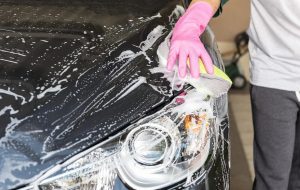
- Washing the car at least once every two weeks
- Cleaning the undercarriage to remove dirt and salt
- Drying the vehicle properly after washing
Moisture trapped in hidden areas can accelerate corrosion, especially in seams and joints.
Also Read: How to Undercoat a Rusted Car Undercarriage After Proper Rust Treatment
Apply Protective Coatings
Protective coatings act as a barrier between metal surfaces and environmental elements.
Common options include:
- Wax coatings for paint protection
- Undercoating for the chassis
- Rust-proof sprays for exposed metal parts
These treatments typically cost between $50 and $300 but can extend the life of your vehicle significantly.
Rust on Cars is far less likely to develop when protective layers are maintained regularly.
Fix Paint Damage Immediately
Small scratches or chips should never be ignored. Even minor paint damage exposes metal to moisture and oxygen.
Quick solutions:
- Use touch-up paint for minor scratches
- Apply clear coat to seal exposed areas
- Inspect high-impact zones like the hood and wheel arches
Addressing these issues early prevents corrosion from spreading.
Store Your Vehicle Properly
Storage conditions play a major role in preventing rust.
Best practices include:
- Parking in a covered or enclosed garage
- Avoiding prolonged exposure to rain
- Using a car cover if outdoor parking is unavoidable
Humidity control is especially important in tropical climates.
Long-Term Maintenance Strategies
Maintaining a rust-free vehicle requires consistent effort over time. Developing good habits can prevent costly repairs in the future.
Routine Inspections
Inspect your vehicle regularly for early signs of corrosion.
Check areas such as:
- Wheel wells
- Door edges and seams
- Underbody and frame
- Around windows and trunk edges
Early detection allows for quick intervention before damage worsens.
Annual Rust Protection Treatment
Applying rust protection treatments once a year can significantly reduce corrosion risk.
Options include:
- Oil-based rust inhibitors
- Wax-based undercoating
- Professional anti-rust treatments
These treatments are especially beneficial in areas with high humidity or salt exposure.
Rust on Cars can often be avoided entirely with consistent preventive care and timely maintenance.
Keep Drainage Areas Clear
Blocked drainage holes can trap water inside the vehicle structure, leading to hidden corrosion.
Ensure that:
- Door drains are unclogged
- Sunroof drainage systems function properly
- Trunk and hood channels are clean
Proper drainage prevents moisture buildup in critical areas.
Cost Considerations and Value Impact
Rust not only affects the physical condition of a vehicle but also its resale value.
A car with visible corrosion can lose up to 20–50% of its market value, depending on severity. Buyers often associate rust with poor maintenance, even if the mechanical condition is good.
Repair costs vary based on damage level:
- Surface rust repair: $20–$100
- Moderate rust repair: $100–$500
- Severe rust repair: $500–$2,000+
Rust on Cars becomes increasingly expensive to fix over time, making early action crucial.
Conclusion
Rust is an unavoidable challenge for vehicle owners, but it can be controlled with the right knowledge and proactive care. From understanding how corrosion forms to applying effective repair techniques, every step plays a role in maintaining your vehicle’s condition.
Rust on Cars should never be ignored, even in its early stages. Small issues can quickly escalate into serious structural problems if left untreated. By combining regular maintenance, protective treatments, and timely repairs, you can extend the lifespan of your vehicle and preserve its value.
Ultimately, prevention remains the most effective strategy. A well-maintained car not only looks better but also performs more reliably and safely over time.