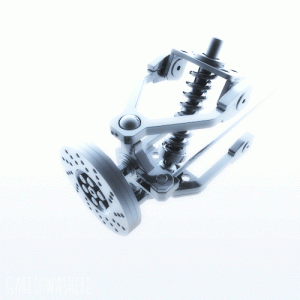

Modern vehicles are designed differently from cars built several decades ago. Instead of using a separate frame and body, most passenger vehicles today rely on an integrated construction known as a unibody. This design helps reduce vehicle weight, improve handling, and distribute collision forces throughout designated structural areas.
However, when a collision damages these areas, repairs can become more complicated than fixing ordinary dents or exterior body panels.
Understanding Unibody Repair Cost is important when evaluating collision damage, especially when the vehicle’s structural components are involved. What appears to be a minor dent may conceal damage to reinforcement sections, frame rails, or suspension mounting points.
The final repair expense depends on the severity of the damage, vehicle construction, material type, replacement requirements, and manufacturer repair procedures.
This guide explains how unibody structures work, what determines repair pricing, how structural repairs are performed, and when repairing a damaged vehicle may no longer make financial sense.
What Is a Unibody Structure and Why Does It Matter?
A unibody vehicle combines its body and structural framework into an integrated assembly. Unlike traditional body-on-frame construction, it does not rely on a separate ladder frame to support the entire vehicle body.
Instead, different sections of the body shell work together to provide structural strength.
These sections may include:
- Front and rear structural rails.
- Floor panels and reinforcement sections.
- Rocker panels and side structures.
- Roof pillars and crossmembers.
- Suspension and drivetrain mounting areas.
- Reinforced sections surrounding the passenger compartment.
The structure is designed to manage collision forces through specific load paths. Some areas are intended to deform in controlled ways, while others help preserve occupant space.
When structural components become damaged, the vehicle may no longer maintain its original dimensions or intended crash performance.
This is why unibody structural repairs require more than simply pulling damaged metal back into shape.
Structural Components vs. Outer Body Panels
One important distinction is that not every body panel is a structural component.
Structural components contribute to the vehicle’s strength, load distribution, or occupant protection. Examples include structural rails, pillars, reinforcements, and certain floor sections.
Outer body panels primarily form the vehicle’s exterior appearance. Examples may include certain fender, door, hood, and quarter panel sections.
However, some exterior panels also contribute to structural performance, depending on their design and location.
This distinction matters because cosmetic panel replacement and structural component replacement involve different procedures, equipment, and labor requirements.
A damaged fender may require relatively straightforward body repair, while damage to a front structural rail can require extensive measurement and manufacturer-specific repair procedures.
How Unibody Differs from Body-on-Frame Construction
Unibody and body-on-frame vehicles use different structural designs.
Unibody construction
Most modern passenger cars, crossovers, and many SUVs use unibody construction.
The body shell and structural sections work together to support the vehicle and manage collision forces.
Because the structure is integrated, damage in one area may affect connected components and mounting points.
Body-on-frame construction
Many pickup trucks and certain larger SUVs use a separate frame that supports the body.
The separate frame can sometimes be inspected and repaired independently of exterior body panels.
However, severe frame damage, damaged mounting points, or corrosion can still make repairs complicated and expensive.
Neither construction type is automatically cheaper to repair. The actual cost depends on the location and severity of the damage.
How Much Does Unibody Repair Cost?
Unibody repair cost varies considerably depending on the vehicle, structural damage, labor requirements, and replacement parts.
The following figures are illustrative budgeting estimates in US dollars, not verified national averages or fixed industry prices.
| Type of repair | Illustrative cost range |
|---|---|
| Minor structural correction | $800–$2,000 |
| Moderate structural repair | $2,000–$4,000 |
| Structural component replacement | $3,000–$6,000 |
| Extensive structural reconstruction | $6,000–$10,000+ |
Luxury vehicles, newer models, and vehicles with extensive collision damage may exceed these ranges.
These estimates should not be treated as guaranteed quotations. A repair facility must inspect the vehicle, identify hidden damage, and review the applicable manufacturer procedures before preparing an accurate estimate.
What Is Included in a Unibody Repair Estimate?
A structural repair quotation may include several separate operations.
1. Initial Inspection
Technicians inspect the damaged vehicle and identify visible and potentially hidden structural problems.
2. Structural Measurement
Computerized measuring systems compare important reference points against vehicle-specific specifications.
3. Vehicle Disassembly
Exterior panels, interior components, or other parts may need to be removed to access damaged structural sections.
4. Structural Correction
Where permitted, specialized equipment may be used to correct certain structural distortions.
5. Component Replacement
Severely damaged components may need to be replaced rather than straightened.
6. Welding and Joining
Replacement procedures may involve resistance spot welding, MIG welding, adhesives, rivets, or other manufacturer-approved joining methods.
7. Refinishing and Reassembly
The vehicle may require corrosion protection, paint refinishing, replacement of exterior panels, and final reassembly.
8. Final Inspection and Calibration
Depending on the damage, additional procedures may include wheel alignment, electronic diagnostics, and advanced driver assistance system calibration.
Not every vehicle requires all these operations. The final estimate depends on the actual repair scope.
Key Factors That Affect Unibody Repair Cost
Several factors influence the total amount a vehicle owner may need to spend.
Extent of Structural Damage
A small deformation in an accessible area may require less labor than damage involving multiple structural sections.
Damage around suspension mounting points, pillars, and reinforcement areas can require additional inspection and repair work.
Vehicle Make and Model
Parts availability, construction methods, and manufacturer requirements vary between vehicles.
Some newer models use complex structural assemblies that are expensive to replace.
Material Type
Modern vehicles may use different grades of steel, aluminum, and other materials.
High-strength steel and ultra-high-strength steel have specific repair limitations. Aluminum components also require appropriate tools and repair procedures.
These materials can increase repair complexity and require specialized training.
Additional Collision Damage
Structural damage may occur alongside other problems, including:
- Suspension and steering damage.
- Airbag and restraint system deployment.
- Damaged cooling system components.
- Electrical wiring and sensor problems.
- Damaged exterior panels and reinforcements.
- ADAS sensor and camera calibration requirements.
These additional operations can significantly increase the overall collision repair bill.
Labor Rates and Repair Facility Equipment
Labor rates differ by location and repair facility.
Structural repairs also require specialized measuring equipment, frame racks, trained technicians, and appropriate joining equipment.
The combination of labor time and technical requirements can make structural repairs considerably more expensive than ordinary bodywork.
Hidden Structural Damage Beneath Body Panels
One of the biggest challenges after a collision is identifying damage that cannot be seen from the outside.
A vehicle may have relatively minor exterior dents while important structural components underneath have shifted or deformed.
Common areas requiring additional inspection include:
- Front and rear structural rails.
- Reinforcement sections behind bumper covers.
- Rocker panels.
- Floor structures.
- Pillars and door openings.
- Suspension mounting points.
For example, a rear-end collision may damage the bumper cover and trunk lid while also deforming the rear body panel or structural reinforcement underneath.
Replacing the visible damaged panels alone may not address the underlying problem.
This is why a thorough inspection and structural measurement should be completed before approving major collision repairs.
Also Read: Car Frame Repair Cost – When Your Car Might Be Totaled
Why Improper Unibody Repairs Can Be Dangerous
Unibody structures are engineered to manage collision energy in specific ways.
Improper repairs can change how structural components behave during another accident.
Potential consequences include:
Reduced Crash Protection
Incorrect repairs to structural rails, reinforcements, or pillars may affect the vehicle’s intended crash performance.
Steering and Alignment Problems
Incorrectly restored suspension mounting points can lead to alignment difficulties and unstable handling.
Uneven Tire Wear
Structural misalignment may prevent the suspension and wheels from maintaining their intended geometry.
Weak Structural Connections
Improper welding, bonding, or joining methods can compromise the strength of replacement components.
Long-Term Corrosion
Failure to restore the required corrosion protection after structural repairs can allow rust to develop in repaired areas.
These problems demonstrate why choosing a repair method based only on the lowest quotation can be risky.
Why Structural Measurement Accuracy Matters
Professional collision repair facilities use dedicated measuring systems to identify structural deviations.
Depending on the vehicle and equipment, these systems may use computerized probes, electronic measuring devices, or other dimensional measurement methods.
Technicians compare reference points with vehicle-specific specifications to determine:
- Which structural areas have moved.
- Whether suspension mounting points are correctly positioned.
- How extensive the deformation is.
- Which components require correction or replacement.
Measurement is not simply a final quality check. It is an important part of the repair planning process.
Accurate measurements help technicians determine the appropriate repair sequence and avoid overlooking indirect damage.
Structural Straightening vs. Component Replacement
One of the most important decisions during unibody repair is determining whether a damaged component can be repaired or must be replaced.
The correct approach depends on the component’s material, damage condition, and vehicle manufacturer instructions.
When Is Unibody Straightening Possible?
Structural straightening uses specialized equipment to correct certain types of deformation.
The vehicle is secured to a suitable frame rack, and controlled forces may be applied to specific areas to restore their original dimensions.
However, not all materials or structural components can be safely straightened.
A component with severe creases, cracks, or damage beyond manufacturer repair limits may need replacement.
Some high-strength and ultra-high-strength steel components have particularly strict restrictions.
Technicians must consult the vehicle-specific body repair manual before attempting structural correction.
When Is Structural Component Replacement Necessary?
Replacement may be required when the damaged component cannot be restored within the manufacturer’s permitted repair limits.
Examples may include:
- Severely deformed structural rails.
- Damaged reinforcement assemblies.
- Certain pillar sections.
- Structural floor components.
- Components with cracks or unacceptable deformation.
Replacement procedures must also follow the manufacturer’s specifications.
This may involve complete component replacement at factory seams rather than cutting and installing only a small section.
Understanding Sectioning Procedures
Sectioning is a method of replacing a specific portion of a component instead of replacing the entire assembly.
Although sectioning can sometimes reduce repair complexity, it is not universally permitted.
The vehicle manufacturer must provide an approved sectioning location and procedure for the specific component.
This is particularly important for high-strength materials and structural reinforcements.
An incorrectly placed joint may change the way a component absorbs or transfers collision forces.
For this reason, technicians should never assume that a structural component can be cut and welded simply because the damaged area appears accessible.
How Professional Unibody Repair Works
A proper structural repair involves several stages. The exact procedure depends on the vehicle design and the type of damage.
1. Initial Inspection and Damage Assessment
Technicians inspect the vehicle’s exterior, underbody, suspension, and potentially affected structural areas.
They identify visible damage and determine whether additional disassembly is necessary.
2. Structural Measurement
The vehicle is measured using an appropriate dimensional measuring system.
Technicians compare important structural reference points against manufacturer specifications.
This helps determine the extent of direct and indirect damage.
3. Repair Planning
After identifying the damage, the repair facility determines which components can be repaired and which must be replaced.
The vehicle-specific repair manual is consulted to establish approved procedures, joining methods, and replacement requirements.
4. Structural Correction
If straightening is permitted, technicians use suitable equipment to correct the damaged areas.
The process must respect material limitations and avoid procedures that could weaken the component.
5. Component Replacement and Joining
Components that cannot be repaired are replaced according to manufacturer instructions.
Depending on the vehicle, joining methods may include spot welding, MIG welding, structural adhesives, rivets, or specified combinations of these methods.
The appropriate method depends on the materials and component design.
6. Corrosion Protection and Refinishing
After structural work, required corrosion protection and seam sealing must be restored.
The repaired areas may then receive appropriate refinishing and paint work.
7. Final Inspection and Calibration
The vehicle undergoes final checks to verify the completed work.
Depending on the repair, these may include:
- Structural dimensional verification.
- Suspension and wheel alignment.
- Steering system inspection.
- Airbag and restraint system diagnostics.
- ADAS calibration where required.
- Inspection of electrical systems and sensors.
The objective is to complete the repair according to applicable manufacturer specifications, not simply to make the exterior look normal.
When Does Unibody Damage Make a Car a Total Loss?
A severely damaged unibody vehicle may be declared a total loss when repairing it is not economically reasonable under the applicable insurance rules.
However, there is no single percentage that applies to every vehicle across the United States.
Some states use specific total loss thresholds, while others apply formulas that consider repair expenses, actual cash value, and salvage value.
Example of a Total Loss Evaluation
Consider a vehicle with an estimated actual cash value of $12,000.
After a collision, the repair estimate reaches $9,000.
The insurer may determine that the vehicle is a total loss depending on the applicable state regulations and calculation method.
Additional damage discovered during inspection may also increase the repair estimate.
Vehicle owners should request an itemized explanation from their insurer rather than assuming that a specific repair percentage automatically determines the outcome.
Additional Expenses That Can Affect the Decision
Structural repairs are not always the only expenses following a collision.
Other costs may include:
- Airbag and seatbelt replacement.
- Suspension and steering repairs.
- Cooling system replacement.
- Electronic system diagnostics.
- ADAS calibration.
- Paint and refinishing work.
When these costs are added to structural repairs, the total expense may approach or exceed the vehicle’s economic value.
Is It Worth Repairing a Damaged Unibody Vehicle?
The decision to repair or replace a damaged vehicle depends on several financial and safety considerations.
Before approving the work, compare the following:
| Consideration | What to evaluate |
|---|---|
| Vehicle market value | Estimated value before the collision |
| Structural repair estimate | Cost of correcting or replacing damaged sections |
| Additional repairs | Mechanical, electrical, and safety system expenses |
| Insurance settlement | Potential payout after applicable deductions |
| Replacement vehicle | Cost of buying a comparable vehicle |
| Resale value | Possible reduction due to structural damage history |
When Repairing Makes Financial Sense
Repair may be reasonable when:
- Structural damage is limited and repairable.
- The manufacturer permits the required repair procedures.
- The overall repair estimate is reasonable compared with vehicle value.
- Suitable replacement components are available.
- The remaining mechanical condition is good.
A correctly performed structural repair can restore the vehicle’s dimensions and intended structural performance when the damage and approved procedures allow it.
When Replacing the Vehicle May Be Better
Replacement may be a more practical decision when:
- Multiple critical structural sections are severely damaged.
- The required replacement components are expensive.
- Significant mechanical and electrical damage exists.
- Repair expenses approach or exceed the vehicle’s value.
- The insurer declares the vehicle a total loss.
A vehicle with a documented structural repair history may also have reduced resale value, even when the repairs were performed correctly.
How to Reduce Unibody Repair Expenses Without Compromising Safety
Although accident severity cannot always be controlled, vehicle owners can make better decisions when evaluating repair options.
Request a Detailed Written Estimate
Ask the repair facility to separate structural work, replacement components, labor, refinishing, and additional mechanical repairs.
Ask for Structural Measurement Results
A measurement report can help explain the extent of the damage and support the proposed repair plan.
Compare Repair Facilities Carefully
Comparing quotations is useful, but the cheapest option is not necessarily the best.
Evaluate equipment, technician qualifications, repair documentation, and familiarity with the vehicle’s construction.
Confirm Manufacturer Repair Procedures
Ask whether the proposed straightening, sectioning, welding, and replacement methods are permitted for your specific vehicle.
Review Insurance Coverage
Understand your collision coverage, deductible, settlement options, and procedures for handling additional damage discovered during repairs.
Saving money should never involve skipping necessary structural inspections or using unapproved repair methods.
Questions to Ask Before Approving Unibody Repairs
Before authorizing structural work, consider asking the repair facility these questions:
1. Has the entire affected structure been measured?
This helps identify damage beyond the visibly damaged panels.
2. Which components are structural and which are cosmetic?
Understanding this distinction helps explain why some repairs are more complicated than others.
3. Does the manufacturer permit straightening or sectioning?
Ask for the relevant vehicle-specific repair procedure.
4. Which replacement parts and joining methods will be used?
Confirm that the materials and procedures meet the applicable requirements.
5. Will corrosion protection be restored?
Proper protection is important for the long-term condition of repaired structural areas.
6. Are additional calibrations or inspections required?
Modern vehicles may need electronic diagnostics, wheel alignment, or ADAS calibration after collision repairs.
7. Will the repair facility provide documentation and a workmanship warranty?
Request written details about the completed work and applicable warranty conditions.
These questions help vehicle owners make decisions based on repair quality, safety, and long-term value rather than price alone.
Frequently Asked Questions About Unibody Repair Cost
How much does unibody repair cost?
Unibody repair may cost approximately $800 to $2,000 for limited structural correction, while moderate and extensive repairs can cost several thousand dollars. Major structural reconstruction may exceed $10,000. Actual expenses depend on the vehicle, damage severity, and repair requirements.
Can a unibody car frame be straightened?
Certain unibody structural components can be straightened when the manufacturer permits the procedure and the damage remains within acceptable repair limits. Severely damaged or restricted components may require replacement.
Is a unibody car safe after structural repair?
A unibody vehicle can be safe after a properly completed structural repair when the damage is repairable and the work follows applicable manufacturer procedures. However, safety cannot be determined from exterior appearance alone.
Can a damaged unibody frame be replaced?
Yes. Certain structural sections can be replaced using manufacturer-approved procedures. Depending on the component, the procedure may require complete replacement or allow sectioning at specified locations.
Does unibody damage affect resale value?
Yes. Documented structural damage can reduce resale value because potential buyers may consider the vehicle’s accident history, repair quality, and future reliability.
How long does unibody repair take?
Minor structural corrections may take several days, while extensive repairs involving component replacement, parts ordering, refinishing, and calibration may take several weeks. The actual timeline depends on repair complexity and parts availability.
Is unibody repair more expensive than body-on-frame repair?
Not necessarily. Unibody repairs can be complex because multiple integrated structural sections may be affected. However, body-on-frame vehicles can also require expensive repairs when the main frame or mounting points are severely damaged.
The actual cost depends on the vehicle design, damage location, repair method, and parts availability.
Conclusion: Understanding Unibody Repair Cost Before Making a Decision
Unibody construction helps modern vehicles achieve a balance between weight, handling, and structural safety. However, when a collision damages the integrated body structure, repairs can become significantly more complicated than ordinary exterior bodywork.
Unibody Repair Cost can range from hundreds of dollars for limited structural correction to more than $10,000 for extensive component replacement and reconstruction.
The most important consideration is not simply the repair price, but whether the vehicle can be restored using manufacturer-approved procedures.
Before making a decision, obtain a detailed structural inspection, compare repair expenses with the vehicle’s market value, and review your insurance options.
Minor damage may be economically repairable, while extensive structural deformation can make replacement a more practical choice.
Ultimately, understanding unibody construction, repair limitations, and structural safety will help you make a more informed decision after a collision.
Related Reading: