When a vehicle is involved in a side collision, rear-end accident, or parking lot incident, one of the more expensive body repairs can involve the rear quarter panel.
Many drivers are surprised when they receive an estimate and discover that the Quarter Panel Repair Cost can be significantly higher than repairing a door, fender, or bumper.
The main reason is how the quarter panel is constructed. Unlike most bolt-on exterior components, a conventional rear quarter panel is typically attached to the vehicle body through welded joints and other permanent connections.
Repairing this area may require extensive metal reshaping, interior disassembly, specialized welding, and refinishing. If the damage extends into the wheelhouse or surrounding body structure, additional repairs may also be necessary.
However, not every dent requires complete panel replacement. Some damage can be corrected through conventional dent repair or paintless dent repair, depending on its location and severity.
This guide explains estimated quarter panel repair prices in the United States, the differences between repairing and replacing a damaged panel, and the factors that influence the final estimate.
What Is a Quarter Panel and Why Is It Difficult to Repair?
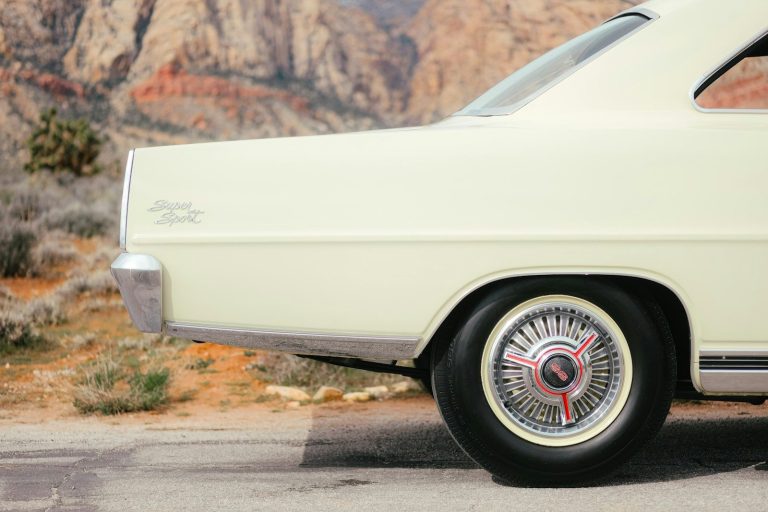
A quarter panel is the exterior body section located around the rear wheel area, generally extending between the rear door opening and the rear of the vehicle.
On most conventional sedans, coupes, and SUVs, the outer quarter panel is permanently attached to the body rather than installed as a removable bolt-on component.
This construction makes repairs more complicated than replacing a conventional fender or bumper cover.
The rear body area may contain several interconnected components, including:
- Outer quarter panel
- Inner quarter panel
- Rear wheelhouse
- Quarter panel reinforcement
- Rear body structure
- Trunk-side panels and supporting components
These parts serve different purposes. The outer quarter panel provides the exterior body surface, while inner structures and reinforcements contribute to the vehicle’s overall body construction.
A technician must determine which components have been damaged before selecting a repair method.
The main factors affecting repair expenses include structural integration, labor requirements, access to the damaged area, and paint blending.
Average Quarter Panel Repair Cost in 2026
Quarter panel repair prices vary depending on the vehicle, damage severity, labor rates, replacement parts, and repair procedures.
The following figures are broad illustrative estimates for the United States, not standardized industry prices or guaranteed repair quotes.
| Damage level | Estimated repair cost |
|---|---|
| Minor cosmetic damage | $800–$1,500 |
| Moderate dents and creases | $1,500–$3,500 |
| Major collision damage | $3,000–$5,000+ |
| Extensive replacement projects | $5,000–$8,000+ |
Actual costs can fall outside these ranges, particularly for luxury vehicles, SUVs, and vehicles with extensive damage to surrounding body structures.
Minor Quarter Panel Damage
Minor damage includes shallow dents, small creases, and limited cosmetic deformation.
If the original paint remains intact and the dent is accessible, Paintless Dent Repair (PDR) may be possible.
However, quarter panels have complex contours and limited access behind certain sections. This can make PDR more challenging than repairing a simple door dent.
If conventional repair is necessary, technicians may use specialized pulling tools and metal reshaping techniques before preparing the surface for refinishing.
The final price depends on the dent’s location, accessibility, and whether repainting is required.
Moderate Quarter Panel Damage
Moderate damage generally involves deeper dents, visible creases, or deformation that affects a larger portion of the panel.
Repair may involve:
- Metal reshaping and straightening
- Controlled dent pulling
- Surface preparation
- Body filler where appropriate
- Sanding and priming
- Basecoat and clear coat application
- Blending into adjacent panels when necessary
The repair becomes more complicated when damage extends toward the wheel opening, door opening, or trunk area.
Major Quarter Panel Damage
Major damage usually involves severe deformation, sharp creases, extensive metal stretching, or damage extending into surrounding body components.
In these situations, technicians may need to remove the damaged panel or a section of it.
The repair may also require structural measurements, removal of interior components, welding, corrosion protection, and refinishing.
If the damage extends into the inner wheelhouse, reinforcement, or rear body structure, the total expense can increase considerably.
Why Quarter Panel Repairs Are So Expensive
Several technical factors explain why rear quarter panel repairs can cost more than many other exterior body repairs.
1. Welded Body Construction
Unlike a removable door or front fender, a conventional quarter panel is usually connected to the body through permanent factory joints.
Depending on the vehicle, these connections may include spot welds, welded seams, adhesives, and other joining methods.
When replacement is necessary, technicians may need to:
- Remove interior trim and surrounding components.
- Identify factory joining points.
- Remove spot welds or other approved connections.
- Separate the damaged panel.
- Prepare the surrounding metal.
- Install and align the replacement panel.
- Restore the required joining methods and corrosion protection.
The exact process depends on the vehicle manufacturer’s body repair instructions.
This extensive procedure is one of the main reasons replacement can require substantially more labor than repairing a bolt-on panel.
2. Extensive Paint Preparation and Blending
Quarter panels have large exterior surfaces and complex body contours.
When a damaged area is repaired, the refinishing process must restore both the appearance and protection of the original paint system.
The process may include:
- Sanding and surface preparation
- Primer application
- Basecoat application
- Clear coat application
- Color matching
- Paint blending into adjacent panels
Depending on the vehicle and paint color, technicians may need to blend the finish into the rear door, roof area, or other surrounding panels.
Metallic, pearl, and multi-stage finishes can require additional application time and materials.
This is why refinishing can represent a significant portion of the total repair estimate.
3. Interior Disassembly
Quarter panel repairs frequently require access from both the exterior and interior sides of the vehicle.
Depending on the damage and repair procedure, technicians may need to remove or reposition:
- Rear seats
- Interior side trim
- Trunk carpeting and liners
- Tail light assemblies
- Rear bumper cover
- Quarter glass or rear window
- Electrical wiring and related components
Not every repair requires removing all these parts.
However, disassembly may be necessary to access joining points, protect interior components, and complete welding or structural work safely.
Additional removal and reinstallation operations increase labor time.
4. Structural Measurements and Alignment
When a collision affects the surrounding body structure, technicians may need to measure the vehicle using appropriate structural measuring equipment.
This helps identify deformation in areas such as:
- Rear wheelhouse
- Inner quarter structure
- Rear body panel
- Rear rails
- Adjacent mounting areas
These measurements are especially important when the impact extends beyond the outer quarter panel.
The purpose is to ensure that the vehicle body is restored according to applicable manufacturer specifications rather than relying only on exterior appearance.
Can a Quarter Panel Dent Be Repaired Without Replacement?
Yes. Many quarter panel dents can be repaired without replacing the entire panel.
The correct method depends on the damage location, metal condition, paint condition, and accessibility.
Paintless Dent Repair
PDR may be suitable for shallow dents where the original paint remains intact and the metal has not been excessively stretched.
Technicians use specialized tools to gradually restore the panel’s original shape without conventional sanding, filler, or repainting.
However, PDR has limitations.
It may not be appropriate for:
- Sharp creases
- Severe metal stretching
- Cracked or damaged paint
- Dents located on difficult body contours
- Damage near inaccessible reinforcement areas
Quarter panels can also have limited tool access because of their internal construction.
Conventional Metal Repair
When PDR is not suitable, technicians may use conventional body repair techniques.
These can include controlled dent pulling, metal reshaping, and surface correction.
After the metal has been restored as closely as practical to its original shape, the area may require filler, sanding, primer, and repainting.
The objective is to restore the panel’s appearance while staying within acceptable repair procedures.
When Replacement Is More Appropriate
Replacement may be necessary when:
- The panel is extensively torn or severely deformed.
- The metal is stretched beyond acceptable repair limits.
- Important mounting or joining areas are damaged.
- The inner structure or wheelhouse requires additional work.
- Manufacturer repair procedures do not permit the proposed repair.
The decision should be based on a professional inspection rather than the size of the visible dent alone.
Quarter Panel Repair vs Replacement: Understanding the Difference
Repairing and replacing a quarter panel involve different procedures, labor requirements, and costs.
Quarter Panel Repair
Repair preserves the original panel whenever its condition allows.
The technician works on the damaged area through metal reshaping, dent pulling, and refinishing.
Potential advantages include:
- Less replacement material
- Reduced disassembly in suitable cases
- Preservation of the original factory panel
- Lower costs when damage is limited
However, extensive metal deformation can make repair impractical.
Full Quarter Panel Replacement
Full replacement involves removing the damaged panel and installing a replacement component.
Depending on vehicle construction, this may require separating factory joints, removing glass or interior components, and restoring approved joining methods.
It is generally more labor-intensive than repairing a minor dent.
Partial Quarter Panel Replacement
Partial replacement, also called sectioning in certain repair procedures, involves replacing only an approved portion of the damaged panel.
This can be an alternative to replacing the complete assembly when the vehicle manufacturer provides an appropriate procedure.
However, technicians cannot choose arbitrary cutting locations.
The permitted sectioning areas, joining methods, welding requirements, and corrosion protection procedures must follow the vehicle-specific repair information.
I-CAR provides technical guidance and resources for identifying OEM partial panel replacement procedures.
Related reading: Rear Quarter Panel Replacement Cost.
Labor Rates and Regional Differences
Labor is one of the largest contributors to quarter panel repair expenses.
Unlike simple cosmetic work, quarter panel replacement can involve many operations, including disassembly, metal preparation, structural measurements, welding, refinishing, and reassembly.
Repair labor rates also vary throughout the United States.
Factors affecting regional pricing include:
Location: Collision repair facilities in major metropolitan areas may have higher operating expenses and labor rates.
Technician qualifications: Complex structural repairs require technicians with appropriate training and access to manufacturer repair information.
Equipment: Specialized welding systems, measuring equipment, and refinishing facilities contribute to workshop operating costs.
Vehicle complexity: Some vehicles require more extensive disassembly or special replacement procedures than others.
For example, a 25-hour repair operation at an $80 hourly labor rate produces $2,000 in labor charges. The same number of hours at $150 per hour produces $3,750.
This is a mathematical illustration, not a claim that every quarter panel repair requires 25 hours.
Always request an itemized estimate that separates labor, parts, materials, and additional operations.
Insurance and Total Loss Considerations
Quarter panel damage can become expensive enough to influence an insurance company’s decision about whether a vehicle should be repaired or declared a total loss.
However, there is no single percentage that applies universally across the United States.
Total loss decisions depend on state regulations, insurance policy requirements, vehicle value, salvage value, and the insurer’s applicable evaluation method.
For example, a $6,000 repair estimate may be financially reasonable for a vehicle worth $30,000 but much less attractive for an older vehicle worth $8,000.
Insurance companies may also consider additional expenses associated with the claim.
Before approving a repair or filing a claim, review:
- Your collision coverage
- Insurance deductible
- Vehicle actual cash value
- Repair estimate
- State-specific total loss requirements
- Possible effects on future premiums
A professional estimate and an insurance valuation can help determine whether repairing the vehicle is financially practical.
Hidden Costs You Should Consider
Quarter panel damage can reveal additional repair requirements after the surrounding components are removed.
These expenses are not automatically included in every repair estimate.
1. Wheelhouse and Inner Panel Damage
An impact near the rear wheel opening may affect the inner wheelhouse or adjacent body components.
Additional repair work may be necessary if these areas are deformed.
2. Tail Light and Rear Bumper Damage
A collision near the rear corner can damage the tail light housing, bumper mounting points, or surrounding exterior panels.
These components may require separate repair or replacement.
3. Suspension and Wheel Alignment
If the collision force reaches the rear suspension mounting areas or wheel-related components, further inspection may be necessary.
Wheel alignment or suspension repair should only be included when the damage or inspection findings justify it.
A dent in the outer quarter panel alone does not automatically mean the suspension or alignment is damaged.
4. Structural Measurement
When surrounding body structures are affected, additional measurements may be necessary to evaluate vehicle alignment.
This can add labor and equipment costs.
5. Glass and Interior Components
Some replacement procedures require removing quarter glass, rear windows, interior trim, or other components.
Reinstallation, replacement clips, adhesives, and related materials may contribute to the final estimate.
A detailed estimate should identify which additional operations are necessary and why.
How Long Does Quarter Panel Repair Take?
Repair time depends on damage severity, parts availability, vehicle construction, and the repair method.
The following are broad scheduling estimates rather than guaranteed completion times.
| Repair type | Estimated time |
|---|---|
| Minor cosmetic repair | 3–5 days |
| Moderate dent repair and refinishing | 5–10 days |
| Partial panel replacement | 1–2 weeks |
| Extensive quarter panel replacement | 1–3 weeks or longer |
Several factors can extend the schedule.
These include replacement panel availability, glass removal, structural measurements, welding operations, paint preparation, curing requirements, and additional damage discovered during disassembly.
Insurance approvals and parts delivery can also affect the overall turnaround time.
Ask the repair facility for an estimated completion date and clarification about possible delays.
Is It Safe to Delay Quarter Panel Repairs?
Not every quarter panel dent requires immediate repair.
A shallow cosmetic dent may not affect the vehicle’s operation. However, collision damage involving the inner structure or surrounding components should be evaluated promptly.
Warning signs include:
- Uneven gaps around the rear door or trunk.
- A rear wheel opening that appears distorted.
- Visible deformation around the wheelhouse.
- Water entering the trunk or passenger compartment.
- Damaged tail light mounting areas.
- Exposed metal with damaged protective coatings.
If the collision has affected the rear structure or suspension mounting areas, professional inspection is important before assuming the vehicle remains in its original condition.
Exposed metal can also develop corrosion, potentially increasing future repair work.
How to Manage Quarter Panel Repair Expenses
Although extensive quarter panel repairs can be expensive, there are practical ways to make informed decisions.
1. Obtain Multiple Written Estimates
Request estimates from at least two qualified collision repair facilities.
Compare the repair methods, labor operations, replacement parts, and refinishing requirements rather than looking only at the total price.
2. Ask Whether the Original Panel Can Be Repaired
A damaged quarter panel does not automatically require replacement.
Ask the technician whether metal reshaping or PDR is appropriate for the specific damage.
3. Confirm Whether Partial Replacement Is Permitted
If replacement is necessary, ask whether the manufacturer provides a partial replacement or sectioning procedure.
The repair must follow the applicable vehicle-specific instructions.
4. Review Replacement Part Options
Depending on the vehicle, OEM, aftermarket, and recycled panels may be available.
Compare fitment, condition, compatibility, and warranty before choosing an alternative.
5. Request a Written Repair Warranty
Ask what warranty applies to the body repair and refinishing work.
Clarify whether it covers workmanship, paint defects, and related issues.
A transparent repair process helps prevent misunderstandings and unexpected expenses.
Long-Term Impact on Vehicle Value
Quarter panel repairs can influence a vehicle’s resale value, particularly when the damage resulted from a significant collision.
Buyers may examine repaired panels for uneven gaps, paint differences, visible repair marks, and signs of structural work.
A properly documented repair can help demonstrate that the damage was addressed appropriately.
Keep copies of:
- Original repair estimates
- Final repair invoices
- Replacement part documentation
- Structural measurement reports, when applicable
- Insurance claim records
Quality repairs and clear documentation can provide greater confidence when selling or trading in the vehicle.
Conclusion: Understanding Quarter Panel Repair Cost
The Quarter Panel Repair Cost is influenced by the extent of the damage, vehicle construction, labor requirements, paintwork, and whether the original panel can be repaired or needs replacement.
Minor dents may be corrected through PDR or conventional metal reshaping when the damage is suitable. More extensive deformation may require partial or complete panel replacement, especially when the surrounding body structure is affected.
As a broad planning estimate, minor repairs may start around $800, while extensive replacement projects can exceed $8,000 depending on the vehicle and repair requirements.
The most important consideration is not simply choosing the cheapest repair option. The work must follow applicable manufacturer procedures and restore the vehicle’s body condition appropriately.
Before approving repairs, obtain a detailed inspection, compare written estimates, and confirm whether structural measurements or additional component repairs are necessary.
Understanding the difference between cosmetic damage and structural damage helps you make better financial decisions while protecting your vehicle’s appearance, condition, and safety.
Related reading: