
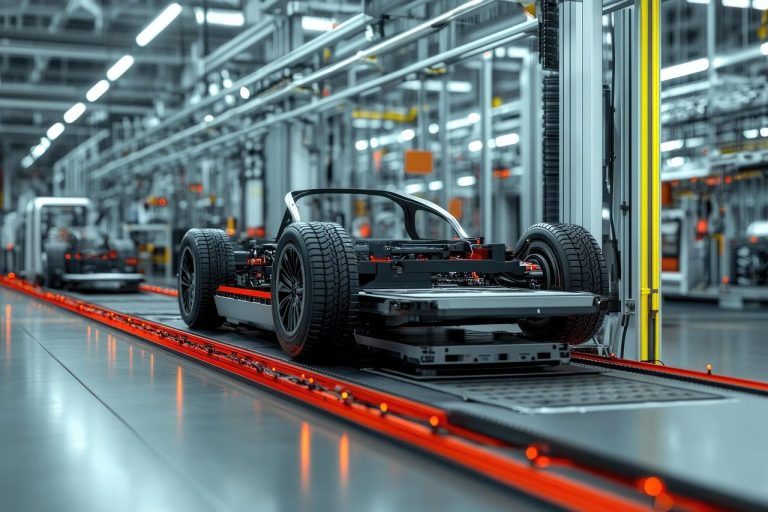
A damaged vehicle frame is one of the most serious problems a car can experience after a collision. Unlike cosmetic dents and scratches, structural damage can affect vehicle alignment, handling, crash protection, and overall safety.
For many vehicle owners, the first question is straightforward: How much does car frame repair cost, and is repairing the vehicle worth the investment?
The answer depends on several factors, including the location of the damage, vehicle construction, repair method, replacement parts, and labor requirements. Minor structural corrections may cost hundreds of dollars, while extensive repairs can reach several thousand dollars or more.
Understanding the potential expenses can help you compare repair estimates, evaluate insurance options, and decide whether to repair or replace your vehicle.
This guide explains typical car frame repair costs, common types of structural damage, professional repair procedures, and the factors that determine whether a damaged vehicle is economically worth fixing.
What Is Car Frame Damage and Why Does It Matter?
The vehicle frame is a fundamental part of the structure that supports major components and helps maintain the vehicle’s overall geometry.
Depending on the vehicle design, its structural components may support or connect the engine, suspension, drivetrain, body panels, and passenger compartment.
Modern passenger vehicles commonly use unibody construction, where the body and structural framework are integrated. Trucks and certain SUVs use body-on-frame construction, where a separate frame supports the vehicle body.
When a collision bends, twists, or cracks structural components, the vehicle may no longer meet its original dimensional specifications.
This can lead to problems such as:
- Incorrect wheel alignment and uneven tire wear.
- Steering instability or pulling to one side.
- Doors, windows, and body panels that no longer fit correctly.
- Changes in how the vehicle absorbs energy during another collision.
- Additional stress on suspension and other connected components.
Structural damage should never be evaluated based on appearance alone. A vehicle may look relatively normal while having significant damage underneath its exterior panels.
Common Types of Car Frame Damage
The severity and location of structural damage determine which repair procedures may be appropriate.
1. Bent Frame Rails
Frame rails are major structural members designed to support and distribute collision forces. They may bend or deform during frontal or rear-end impacts.
Depending on the material and manufacturer repair procedures, technicians may be able to restore certain damaged areas or replace the affected components.
2. Twisted Frame
A twisted frame occurs when collision forces cause structural sections to move out of their original positions.
This condition can affect multiple measurement points and create alignment problems throughout the vehicle.
3. Cracked Structural Components
Cracks may develop in structural members following severe impacts, corrosion, or other forms of damage.
Cracked components require careful inspection because welding or other repairs may not be permitted for every material or structural location.
4. Side-Impact Structural Damage
Side collisions can deform rocker panels, pillars, floor sections, and other structural components.
Because these areas help protect occupants, repairs must follow the vehicle manufacturer’s structural repair procedures.
Unibody vs. Body-on-Frame Vehicles
Vehicle construction plays an important role in determining structural repair costs.
Unibody vehicles
Most modern sedans, hatchbacks, and many SUVs use unibody construction. The body shell itself contributes to structural strength.
Damage may affect multiple connected areas, including pillars, floor panels, rocker panels, and front or rear structural sections.
Repairs often require computerized measuring equipment and manufacturer-approved procedures.
Body-on-frame vehicles
Some trucks and larger SUVs use a separate frame underneath the vehicle body.
In certain situations, the separate frame can be inspected and repaired independently of the body. However, severe deformation, damaged mounting points, or corrosion can make the work expensive.
Neither construction type is automatically cheaper to repair. The actual cost depends on the damage, material, accessibility, and replacement requirements.
How Much Does Car Frame Repair Cost?
Car frame repair cost varies significantly depending on the vehicle and the extent of structural damage.
The following figures are broad illustrative estimates in US dollars, not fixed industry rates or guaranteed repair quotations.
| Type of structural repair | Illustrative cost range |
|---|---|
| Minor frame straightening | $600–$1,200 |
| Moderate structural repair | $1,500–$4,000 |
| Extensive structural repair | $4,000–$7,000 |
| Major structural replacement | $5,000–$10,000+ |
Some luxury vehicles, trucks, and vehicles with extensive collision damage can exceed these ranges.
These estimates should be treated as preliminary budgeting references. A professional inspection is necessary before determining the actual repair cost.
What Is Included in the Repair Estimate?
A structural repair estimate may include several separate expenses:
- Initial inspection and structural measurements.
- Vehicle disassembly to access damaged components.
- Frame rack setup and structural correction.
- Replacement structural parts and materials.
- Approved welding or bonding procedures, where applicable.
- Paint and refinishing work.
- Suspension alignment and final inspections.
- Reassembly and replacement of damaged components.
Not every repair requires all these procedures.
For example, a vehicle with limited structural deformation may need measurement and correction without extensive replacement work. A severely damaged vehicle may require substantial disassembly and multiple component replacements.
Factors That Affect Car Frame Repair Cost
Several factors determine how much a repair facility will charge.
1. Severity and Location of Damage
Damage to a single accessible structural area may require less work than deformation involving multiple sections of the vehicle.
Damage near suspension mounting points, pillars, or other critical structural areas can require additional inspection and specialized procedures.
2. Vehicle Make and Model
Parts availability, vehicle design, and manufacturer repair requirements affect the final estimate.
Luxury vehicles and newer models may require more expensive replacement components and specialized equipment.
3. Material Type
Modern vehicles may use conventional steel, high-strength steel, ultra-high-strength steel, or aluminum.
Each material has specific repair limitations and requirements. Some structural components cannot be safely straightened or welded using conventional methods.
4. Labor Rates
Labor rates differ between repair facilities and geographic locations.
Structural repairs require trained technicians, specialized equipment, and time-consuming measurement procedures.
5. Additional Collision Damage
Frame damage often occurs alongside other collision-related problems.
Damaged suspension components, steering systems, cooling systems, airbags, and exterior panels can significantly increase the overall repair estimate.
Frame Straightening vs. Frame Replacement
One of the most important decisions in structural repair is determining whether the damaged component can be repaired or must be replaced.
These methods are not interchangeable, and the correct approach depends on the vehicle manufacturer’s instructions.
When Is Frame Straightening Possible?
Frame straightening uses specialized equipment to correct certain types of structural deformation.
A vehicle is secured to a frame rack, and technicians use measuring systems to identify deviations from specified reference points.
Controlled pulling forces may then be applied to appropriate areas to restore their dimensions.
However, straightening is not suitable for every damaged component.
Some materials and structural sections have specific restrictions because excessive deformation or heat can weaken their strength.
When Is Structural Replacement Necessary?
Replacement may be required when a component is severely deformed, cracked, stretched, or otherwise damaged beyond permitted repair limits.
Depending on the vehicle, replacement may involve:
- Frame rails.
- Structural reinforcements.
- Rocker panels.
- Floor sections.
- Pillars or other body structure components.
Some manufacturers permit sectioning in specific locations, while others require complete component replacement.
The repair facility must follow the manufacturer’s procedures for the exact vehicle model and year.
Improper cutting, welding, or straightening can compromise structural performance and occupant protection.
When Is a Car Considered Totaled?
A vehicle is generally considered a total loss when repairing it is not economically reasonable under the applicable insurance rules.
However, the decision is not based on one universal percentage.
Some US states use specific total loss thresholds, while others apply total loss formulas that compare repair expenses and salvage value against the vehicle’s actual cash value.
Insurance policies and state regulations therefore play an important role.
Example of a Total Loss Calculation
Consider a vehicle with an actual cash value of $8,000.
If the estimated repair cost reaches $6,000, the insurer may determine that the vehicle is a total loss depending on the applicable state rules and calculation method.
Additional expenses, such as towing, storage, and salvage value, may also influence the decision.
Vehicle owners should request a detailed explanation from their insurance company rather than assuming that a particular repair percentage automatically means the car is totaled.
Hidden Damage That Can Increase Repair Costs
A collision can damage components that are not immediately visible.
These may include:
- Suspension arms and mounting points.
- Steering components.
- Airbag and restraint systems.
- Cooling system components.
- Electrical wiring and sensors.
- Underbody structural sections.
This is why an initial visual estimate may differ substantially from the final repair quotation.
A proper inspection may require removing damaged exterior panels and measuring structural reference points.
Repair vs. Replacement: Is Fixing the Vehicle Worth It?
Deciding whether to repair a structurally damaged vehicle requires more than comparing the repair quotation with the purchase price of another car.
Consider these important factors:
| Financial consideration | What to evaluate |
|---|---|
| Current vehicle value | Its actual market value before the accident |
| Repair estimate | Total structural and mechanical repair expenses |
| Insurance settlement | Expected payout after applicable deductions |
| Replacement vehicle | Cost of purchasing a comparable vehicle |
| Resale value | Potential reduction due to previous structural damage |
| Future reliability | Condition of remaining mechanical and structural components |
When Repairing Makes Financial Sense
Repair may be reasonable when:
- Structural damage is limited and repairable.
- The repair cost is substantially below the vehicle’s value.
- The manufacturer permits the required repair procedure.
- Replacement parts are available.
- The vehicle has no major additional mechanical problems.
A properly completed repair can restore the vehicle’s structural dimensions when the damage and repair procedure allow it.
When Replacing the Vehicle May Be Better
Replacement may be the more practical decision when:
- Structural damage affects multiple critical areas.
- Required repairs are extremely expensive.
- The vehicle has substantial additional mechanical damage.
- Replacement components are difficult to obtain.
- The insurer determines that the vehicle is a total loss.
Even after a technically successful repair, a vehicle with a structural damage history may have reduced resale value.
How Professional Car Frame Repair Works
Structural repairs require careful inspection, accurate measurements, and appropriate repair equipment.
Although the exact process differs between vehicles, a typical procedure includes several stages.
1. Initial Inspection and Diagnosis
Technicians inspect the vehicle for visible and hidden collision damage.
Damaged exterior panels may need to be removed to access structural sections.
The vehicle’s dimensions are then compared with the manufacturer’s specifications.
2. Structural Measurement
Computerized measuring systems help identify deviations in the vehicle’s structural reference points.
These measurements are essential for determining the location and extent of deformation.
3. Structural Correction
If the manufacturer permits straightening, technicians may use a frame rack and controlled pulling equipment to correct the affected area.
The process must follow the appropriate material-specific repair procedures.
4. Component Sectioning or Replacement
If a structural component cannot be repaired, it may need to be replaced.
Sectioning and welding should only be performed where permitted by the manufacturer’s procedures.
The correct joining method may vary depending on the material and component design.
5. Reassembly and Final Inspection
After structural work is completed, technicians reinstall the removed components and inspect the vehicle.
Depending on the repair, additional procedures may include:
- Wheel alignment.
- Suspension inspection.
- Electronic system diagnostics.
- Airbag and restraint system checks.
- ADAS calibration when required.
- Final dimensional verification.
The objective is to return the vehicle to the applicable manufacturer repair specifications.
Signs Your Car May Have Frame Damage
Structural damage is not always obvious, but several warning signs may indicate a problem after a collision.
Uneven Tire Wear
Abnormal tire wear can indicate alignment problems caused by damaged suspension or structural mounting points.
Vehicle Pulling to One Side
A vehicle that consistently pulls left or right may have alignment or suspension problems. Structural damage is one possible cause.
Doors That Do Not Close Properly
If doors suddenly become difficult to open or close after an accident, the body structure may have shifted.
Misaligned Body Panels
Uneven gaps between doors, fenders, hood, and trunk may indicate underlying structural deformation.
Visible Underbody Damage
Bent or crushed structural sections underneath the vehicle should be inspected by a qualified repair professional.
These symptoms do not automatically confirm frame damage. However, they justify a professional inspection, especially when they appear after a collision.
Insurance and Car Frame Repair Cost
Insurance coverage can significantly influence the amount a vehicle owner pays for structural repairs.
If the vehicle has applicable collision coverage, the insurer may cover approved repairs after the deductible, subject to policy conditions.
However, coverage details differ between policies.
Before approving repairs, consider the following:
- Review your collision coverage and deductible.
- Request a written repair estimate.
- Ask whether additional damage requires supplemental approval.
- Confirm whether OEM parts are required or permitted.
- Understand the insurer’s total loss evaluation.
- Review the settlement and salvage options if the vehicle is declared totaled.
If you disagree with the repair estimate or total loss valuation, ask the insurer for an itemized explanation and review the dispute process available under your policy and state regulations.
Questions to Ask Before Approving Frame Repairs
Before authorizing structural work, ask the repair facility several important questions.
1. Has the vehicle undergone a complete structural measurement?
A proper measurement helps identify damage that may not be visible during a basic inspection.
2. Does the manufacturer permit repairing the damaged component?
Not all structural components can be straightened, welded, or sectioned.
3. Will replacement parts be OEM or aftermarket?
Understand which parts will be installed and whether they meet the applicable repair requirements.
4. Will the repair follow manufacturer specifications?
Ask how the facility verifies structural dimensions and repair procedures.
5. Are additional inspections or calibrations required?
Modern vehicles may require electronic diagnostics, wheel alignment, or ADAS calibration after collision repairs.
6. Is the repair covered by a written warranty?
Request written details about the scope and conditions of any workmanship warranty.
These questions help vehicle owners evaluate repair quality rather than making a decision based only on the lowest quotation.
Frequently Asked Questions About Car Frame Repair Cost
How much does it cost to fix a bent car frame?
Minor frame straightening may cost approximately $600 to $1,200, while more extensive structural repairs can cost several thousand dollars. The actual price depends on the vehicle, damage severity, and required repair procedures.
Can a car with frame damage be repaired?
Yes, some vehicles with structural damage can be repaired safely when the manufacturer permits the required procedures and the work is performed by qualified technicians. However, certain types of damage may require component replacement or make the vehicle uneconomical to repair.
Is it safe to drive a car with frame damage?
It may not be safe. Structural damage can affect vehicle handling, alignment, and crash protection. If significant frame damage is suspected after an accident, avoid driving the vehicle until it has been professionally inspected.
How long does frame repair take?
Minor structural corrections may take a few days, while extensive repairs involving replacement parts and additional mechanical work can take several weeks. Parts availability, insurance approval, and repair complexity influence the timeline.
Does frame damage reduce a car’s resale value?
Yes. A vehicle with a documented structural damage history may have a lower resale value because buyers may be concerned about safety, repair quality, and future reliability.
Is frame replacement better than frame straightening?
Neither method is automatically better. The correct approach depends on the damaged component, material, and manufacturer repair instructions. Replacement is necessary when a component cannot be safely repaired within the permitted limits.
Will insurance pay for car frame repair?
If the policy includes applicable collision coverage, the insurer may cover approved structural repairs after the deductible. Coverage depends on policy terms, damage circumstances, and whether the vehicle is declared a total loss.
Conclusion: Is Car Frame Repair Worth the Cost?
Car frame repair cost can range from hundreds of dollars for limited structural correction to more than $10,000 for extensive damage and component replacement.
The most important factor is not simply how much the repair costs, but whether the vehicle can be restored according to the manufacturer’s structural repair requirements.
Before making a decision, obtain a detailed inspection, compare repair estimates with the vehicle’s actual market value, and review your insurance options.
Minor structural damage may be economically repairable, while extensive damage can make replacement a more sensible choice.
Ultimately, understanding repair methods, structural safety, and financial considerations will help you make a more informed decision after a collision.
Related Reading: