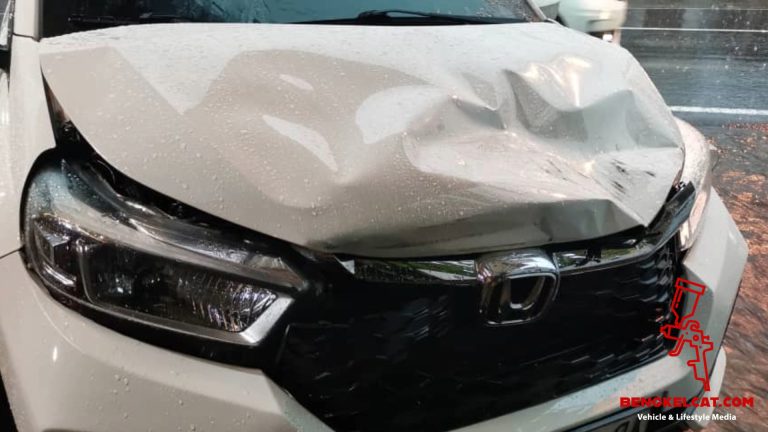
A dented or damaged car hood can affect more than your vehicle’s appearance. Depending on the location and severity of the damage, it may also interfere with hood alignment, latch operation, and overall driving safety.
One of the first questions car owners ask after discovering hood damage is how much the repair will cost.
The answer depends on several factors, including the hood material, the extent of the damage, labor requirements, and whether the original panel can be repaired or needs replacement.
Material is particularly important because modern vehicles commonly use either steel or aluminum body panels. Although both materials can be repaired, they require different tools, techniques, and working procedures.
Aluminum hoods can be more expensive to repair in certain situations because of specialized equipment, technician training, and material-handling requirements.
This guide explains the average Car Hood Repair Cost in the United States, compares steel and aluminum repair expenses, and helps you determine when repairing or replacing a damaged hood makes more financial sense.
What Factors Affect Car Hood Repair Cost?
The cost of repairing a damaged hood depends on more than the size of the dent. A small dent with undamaged paint may require relatively simple work, while a larger crease involving stretched metal can require extensive reshaping and refinishing.
Several factors determine the final repair estimate.
1. Hood Material
Steel and aluminum respond differently to repair procedures.
Steel panels are generally easier to reshape using conventional body repair equipment. Aluminum requires different handling techniques and careful temperature management because excessive heat or improper reshaping can compromise the panel.
The need for dedicated tools and contamination prevention procedures can increase labor expenses at some repair facilities.
2. Extent of the Damage
The severity of the damage is one of the most important pricing factors.
A shallow parking dent may be repairable without repainting. However, deep creases, sharp impact points, and stretched metal may require conventional body repair or panel replacement.
Damage near the hood edges, reinforcement structures, and latch mounting areas can also make the repair more complicated.
3. Paint and Refinishing Requirements
If the original paint is cracked, chipped, or scratched, refinishing may be necessary.
The process generally includes surface preparation, primer where required, basecoat application, and clear coat.
Metallic, pearl, and multi-stage paint finishes can increase material costs and labor time. In some cases, adjacent panels may also need paint blending to achieve a consistent appearance.
4. Vehicle Make and Model
Parts availability and vehicle design influence repair expenses.
Replacement hoods for common vehicles may be relatively affordable, while luxury vehicles and models with aluminum body structures can have considerably higher parts costs.
Some modern hoods also incorporate special reinforcement structures, pedestrian protection components, or manufacturer-specific mounting systems.
5. Labor Rates and Repair Facility
Collision repair labor rates vary by location and facility.
Shops with specialized aluminum repair capabilities may charge higher labor rates because of their equipment, training, and separate work areas.
The final estimate should clearly identify labor, materials, replacement parts, paintwork, and any additional operations.
Average Car Hood Repair Cost by Damage Level
The following figures are illustrative estimates for the United States. Actual prices vary by location, vehicle model, repair facility, parts availability, and the extent of the damage.
| Damage level | Steel hood | Aluminum hood |
|---|---|---|
| Minor cosmetic damage | $300–$800 | $500–$1,200 |
| Moderate dents and repainting | $800–$1,500 | $1,200–$2,000 |
| Severe damage | $1,500–$3,000+ | $2,000–$4,000+ |
These ranges are general planning estimates rather than guaranteed market prices or standardized industry rates. A professional inspection is necessary to determine the actual repair cost.
Minor Hood Damage
Minor damage includes shallow dents, small scratches, and limited paint imperfections.
If the paint remains intact and the metal has not been significantly stretched, Paintless Dent Repair (PDR) may be an option.
PDR uses specialized tools to gradually restore the panel’s original shape without conventional sanding, filling, or repainting.
This approach can reduce repair expenses and preserve the factory paint finish.
However, not every dent qualifies for PDR. Sharp creases, damaged paint, and dents located near difficult-to-access reinforcement areas may require conventional repair.
Moderate Hood Damage
Moderate damage usually involves larger dents, visible creases, or paint damage that cannot be corrected through paintless methods.
The repair may require:
- Metal reshaping
- Surface preparation
- Body filler where appropriate
- Primer application
- Basecoat and clear coat
- Paint blending when necessary
Aluminum panels may require additional precautions and specialized repair procedures, depending on the damage and manufacturer recommendations.
Severe Hood Damage
Severe damage includes extensive deformation, deep creases, cracked panels, and damage involving reinforcement structures.
At this stage, technicians must determine whether the original hood can be safely restored.
In some cases, replacement is more practical than attempting extensive repairs. This is particularly important when the panel’s structural integrity or hood latch mounting points have been compromised.
Steel vs Aluminum Hoods: Understanding the Repair Differences
The material used in your vehicle’s hood can influence repair procedures, labor time, and replacement expenses.
1. Steel Hood Repair
Steel has been widely used in automotive body construction because of its strength, durability, and relatively straightforward repair characteristics.
Technicians can use conventional body repair techniques to reshape many damaged steel panels.
Common repair methods include:
- Dent pulling and metal reshaping
- Controlled panel straightening
- Surface preparation and refinishing
- Welding or replacement of damaged components when appropriate
Steel is generally more forgiving during certain repair operations. However, improper heating or excessive reshaping can still weaken the metal.
Corrosion protection is also important whenever the original protective coating is damaged.
2. Aluminum Hood Repair
Aluminum is widely used in modern vehicles because it offers a favorable strength-to-weight ratio.
Reducing vehicle weight can contribute to improved efficiency and performance, but aluminum requires different repair considerations.
Unlike conventional steel, aluminum can be more sensitive to repeated reshaping. Excessive deformation may cause stretching, cracking, or work hardening.
Technicians must evaluate the damaged area carefully before deciding whether repair is appropriate.
Important considerations include:
- Dedicated aluminum repair tools
- Separation from steel grinding dust and contamination
- Appropriate surface preparation
- Manufacturer-approved repair procedures
- Controlled heating when specifically permitted
Not every collision repair facility has the equipment and training needed for aluminum body repairs.
This is one reason why aluminum hood repairs can cost more than comparable steel repairs.
3. Welding and Bonding Requirements
Steel and aluminum also differ in their joining methods.
Steel components can often be repaired using conventional automotive welding procedures, depending on the vehicle structure and manufacturer requirements.
Aluminum may require specialized welding equipment, structural adhesives, mechanical fastening, or a combination of approved joining methods.
The correct method depends on the component, alloy, and vehicle manufacturer’s repair instructions.
For this reason, selecting a qualified repair facility is important when dealing with significant aluminum panel damage.
Can an Aluminum Hood Be Repaired?
Yes. Aluminum hoods can be repaired in many situations, but the decision depends on the type, location, and severity of the damage.
Minor dents may be corrected using specialized metalworking techniques. However, extensive stretching, sharp creases, cracks, and damage to reinforced areas can make replacement the safer or more economical option.
A technician should evaluate:
- The depth and location of the dent
- Whether the aluminum has stretched
- Whether cracks or fractures are present
- The condition of the hood reinforcement
- Whether the damage affects latch alignment
- The vehicle manufacturer’s repair requirements
There is no universal rule that every damaged aluminum hood must be replaced.
Likewise, a panel that appears repairable from the outside should not automatically be considered structurally sound.
The final decision should be based on a proper inspection and applicable manufacturer repair procedures.
Paintless Dent Repair vs Traditional Hood Repair
Not every damaged hood requires repainting.
Paintless Dent Repair is an alternative for certain dents where the original paint remains intact and the metal can be restored without compromising the panel.
Paintless Dent Repair
PDR is generally suitable for:
- Small parking dents
- Shallow hail damage
- Minor rounded dents
- Damage without cracked or peeling paint
Its main advantage is that it preserves the factory finish.
PDR may also reduce labor and material expenses because it avoids conventional refinishing.
However, the method is not suitable for every type of damage. Deep creases, sharp dents, damaged paint, and heavily stretched panels may require traditional repair.
Traditional Hood Repair
Conventional body repair is generally necessary when the damage involves:
- Scratched or cracked paint
- Deep creases
- Significant panel deformation
- Metal stretching
- Damage requiring surface refinishing
The process may include metal reshaping, filling where appropriate, sanding, priming, painting, and clear coating.
Although traditional repairs can cost more, they may be necessary to restore the panel’s appearance and condition.
Why Aluminum Hoods Can Increase Labor Charges
Labor is a significant part of collision repair expenses.
Aluminum repair can require additional time because technicians must follow material-specific procedures and prevent contamination from other metals.
Several operations may contribute to the increased cost.
Dedicated Repair Equipment
Aluminum repair often requires dedicated tools to avoid cross-contamination from steel particles.
Metal dust from steel grinding can become embedded in aluminum surfaces and contribute to corrosion problems.
Proper separation of tools and work areas helps prevent this issue.
Specialized Technician Training
Technicians need to understand how aluminum responds to deformation, reshaping, and heat.
Improper repair techniques can create additional damage or compromise the panel.
A facility with appropriate aluminum repair training and equipment is therefore important.
Surface Preparation and Corrosion Protection
Aluminum requires suitable surface preparation and corrosion protection before refinishing.
Using inappropriate materials or skipping required preparation steps can affect paint adhesion and long-term durability.
The exact procedure depends on the vehicle manufacturer’s requirements and the paint system being used.
Hood Replacement vs Repair: Which Is More Economical?
Repairing a hood is not always the cheapest option.
When damage is extensive, replacing the panel may provide a more practical solution.
The decision should consider the repair labor, replacement part price, paintwork, installation, and any additional components affected by the impact.
When Repair May Be Appropriate
Repair may be suitable when:
- The dent is relatively shallow.
- The panel has no significant cracks.
- The reinforcement structure remains intact.
- The hood can be restored within manufacturer repair limits.
- The latch and mounting points are undamaged.
When Replacement May Be Better
Replacement may be recommended when:
- The hood is severely crumpled.
- Aluminum has cracked or stretched beyond acceptable repair limits.
- Reinforcement structures are damaged.
- The latch mounting area is compromised.
- Repair costs approach or exceed replacement costs.
A replacement hood must also be properly installed and aligned.
Technicians should inspect the hinges, latch, safety catch, and surrounding mounting areas to ensure the hood closes securely.
Estimated Hood Replacement Cost
The following figures are broad illustrative estimates for the United States.
| Replacement component | Estimated part cost |
|---|---|
| Steel replacement hood | $400–$900 |
| Aluminum replacement hood | $800–$1,800+ |
These figures cover estimated panel prices only, not necessarily paint, installation, taxes, shipping, or additional components.
When painting and labor are included, the total replacement expense may reach $2,000–$5,000 or more, particularly for luxury and performance vehicles.
For a more detailed breakdown, read our guide: Hood Replacement Cost: Is It Worth Replacing After an Accident?.
Paint and Refinishing Costs
Repainting is often necessary when hood damage affects the original finish.
Because the hood is a highly visible exterior panel, achieving a consistent color match is important.
Automotive refinishing generally involves several stages.
Surface Preparation
The damaged area must be cleaned and prepared.
Depending on the condition of the panel, technicians may need to remove damaged paint, smooth repaired areas, and apply suitable primer.
Basecoat Application
The basecoat provides the vehicle’s color.
Metallic and pearl finishes can require additional attention because color appearance changes depending on lighting, application technique, and viewing angle.
Clear Coat Application
Clear coat provides gloss and helps protect the underlying paint system.
Proper application and curing are important for achieving a durable finish.
Paint Blending
Sometimes the repaired hood may look slightly different from the surrounding fenders even when the correct paint formula is used.
Blending adjacent panels may help achieve a more consistent appearance.
Refinishing expenses vary by vehicle, paint type, repair area, and labor rates. Therefore, a single repainting price should not be treated as applicable to every car.
Does Car Insurance Cover Hood Damage?
Insurance coverage may help pay for hood repairs, depending on the circumstances and policy terms.
Two common coverage types are relevant.
Collision coverage: This may apply when the hood is damaged in a collision with another vehicle or object, subject to the policy deductible and exclusions.
Comprehensive coverage: This may apply to non-collision events such as hail, falling objects, vandalism, or certain weather-related damage.
Coverage depends on the specific insurance policy and circumstances of the incident.
For example:
- Estimated hood repair: $1,300
- Insurance deductible: $1,000
- Potential covered amount: $300
This simplified example assumes the claim is approved and no additional exclusions or adjustments apply.
If the repair estimate is close to the deductible, paying out of pocket may be worth considering.
Before filing a claim, review your policy and ask your insurance provider how a claim could affect your future premiums.
You can also read our related guide: Does Insurance Cover Body Repair?.
Regional Differences in Hood Repair Pricing
The cost of repairing a car hood varies between cities and regions.
Several factors contribute to these differences.
Labor rates: Repair facilities in major metropolitan areas may charge more because of higher operating expenses and labor costs.
Technician availability: Areas with fewer qualified aluminum repair specialists may have limited repair options.
Parts availability: Certain vehicle models require special-order replacement panels, which can increase shipping expenses and waiting times.
Repair facility standards: Shops with advanced equipment, specialized training, and manufacturer-approved procedures may have different pricing structures.
For this reason, comparing written estimates from multiple qualified repair facilities is a practical way to understand local pricing.
How Long Does Hood Repair Take?
Repair time depends on the severity of the damage, the repair method, and parts availability.
Typical planning estimates include:
| Repair type | Estimated time |
|---|---|
| Minor dent repair | 1–2 days |
| Moderate repair and repainting | 3–5 days |
| Hood replacement and refinishing | Several days to one week or longer |
These are general scheduling estimates rather than guaranteed completion times.
Additional time may be needed for paint curing, parts delivery, additional inspections, or repairs to surrounding components.
Aluminum repairs can also take longer when specialized procedures or qualified technicians are not immediately available.
Questions to Ask Before Approving a Hood Repair
Before authorizing the work, ask the repair facility several important questions.
- Can the original hood be repaired safely, or is replacement recommended?
- Is Paintless Dent Repair suitable for the damage?
- Does the vehicle manufacturer permit repairs to the affected aluminum panel?
- Does the estimate include primer, paint, and clear coat?
- Will adjacent panels need paint blending?
- Are hood hinges, latch components, and mounting points included in the inspection?
- What warranty is provided for the repair and refinishing work?
A detailed written estimate helps you understand exactly what you are paying for.
It also makes comparing repair facilities easier because you can evaluate the same work items rather than comparing different repair scopes.
Is It Safe to Delay Hood Repairs?
Some cosmetic hood damage may not require immediate repair. However, damage involving the hood latch, hinges, or reinforcement structures should never be ignored.
A hood that does not close securely can become dangerous, especially at highway speeds.
Warning signs include:
- The hood does not close properly.
- The hood sits unevenly against the fenders.
- The latch feels loose or does not engage.
- The hood vibrates excessively while driving.
- Sharp edges or exposed metal are present.
If the hood latch is damaged or the hood cannot be secured properly, avoid driving the vehicle until it has been inspected and repaired.
Exposed metal can also develop corrosion over time, potentially increasing future repair expenses.
A professional inspection can help distinguish minor cosmetic damage from problems that affect vehicle safety.
Conclusion: Understanding Car Hood Repair Cost
The Car Hood Repair Cost depends on the hood material, damage severity, labor requirements, paintwork, and whether the original panel can be repaired or needs replacement.
Steel hoods are generally easier to repair using conventional body repair methods. Aluminum hoods may involve higher labor expenses because they require specialized tools, contamination prevention, and material-specific procedures.
As a general planning estimate, minor repairs may start around $300, while severe aluminum hood repairs or replacement projects can exceed $4,000.
However, these figures are not fixed prices. The actual estimate depends on the vehicle and the repair facility.
Before choosing a repair method, have the damage inspected, compare written estimates, and confirm that the repair procedure follows the vehicle manufacturer’s recommendations.
Understanding the differences between steel and aluminum repairs can help you make a better decision, control unexpected expenses, and maintain your vehicle’s appearance and safety.
Related reading: