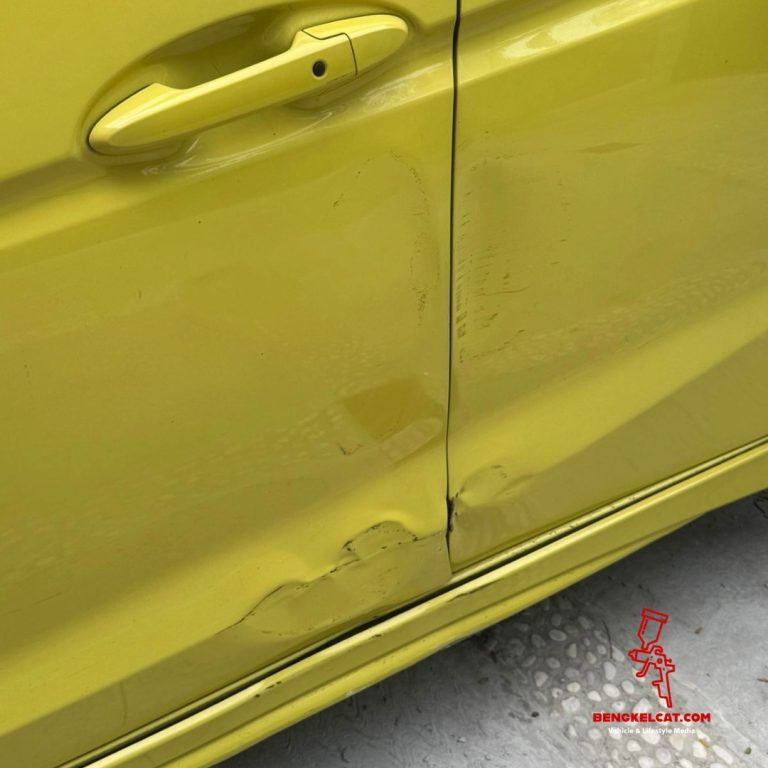
A busted car door is rarely just an eyesore. Whether you’re dealing with a annoying ding from a parking lot, a window that refuses to roll up, or a door that just won’t latch properly, the repair bill can catch you completely off guard.
This leaves most drivers facing the exact same dilemma: do you head straight to the dealership or trust a local body shop?
Honestly, the right move usually comes down to budget, warranty perks, the quality of the work, and how it affects your car’s resale value.
This Cost to Fix a Car Door Dealership vs Local Shop Comparison explores the real differences between these two options. By understanding labor rates, parts policies, hidden fees, and service standards, you can make a decision that protects both your budget and your vehicle.
Why Car Door Repairs Can Be Expensive
Before comparing repair locations, it is important to understand what makes car door repairs costly in the first place.
Modern car doors are no longer simple metal panels. They contain structural reinforcements, electronic wiring, sensors, speakers, airbags, and window mechanisms. Even a small dent may require partial disassembly to inspect internal components.
Depending on the severity of damage, repair costs can range from $250 for minor paintless dent repair to $3,500 or more for full door replacement.
This wide price range makes comparing car door repair costs between authorized and local repair shops important before deciding to have repairs done.
Dealership Repairs: What You’re Paying For
Dealership service centers are directly affiliated with the vehicle manufacturer. This connection brings certain advantages—but also higher costs.
1. Labor Rates at Dealerships
Dealership labor rates are typically higher than independent shops. In many regions, dealership hourly rates range from $120 to $180 per hour.
These higher rates reflect factory-trained technicians, brand-specific diagnostic tools, and larger operational overhead. In a Cost to Fix a Car Door Dealership vs Local Shop Comparison, labor is often the biggest price difference.
2. OEM Parts Only
Dealerships almost always use Original Equipment Manufacturer (OEM) parts. These components are identical to those installed at the factory.
OEM parts offer perfect fitment and manufacturer-backed warranties. However, they are more expensive than aftermarket or recycled alternatives. A new OEM door shell alone may cost $700 to $1,500 before paint and installation.
3. Warranty and Documentation
Dealership repairs typically include manufacturer-backed warranties. This can be beneficial for newer vehicles still under factory coverage.
Additionally, service records from dealerships may positively influence resale value. Buyers often trust dealership documentation more than independent repair invoices.
However, this additional warranty contributes to a higher overall cost in comparing car door repair costs between authorized and local repair shops.
Local Body Shops: More Flexibility and Competitive Pricing
Independent repair shops operate outside manufacturer networks. This independence allows greater flexibility in pricing and parts selection.
1. Lower Labor Rates
Local body shops often charge between $60 and $120 per hour, depending on location and expertise.
Lower overhead costs allow these shops to offer competitive pricing without sacrificing quality. In many cases, labor savings alone can reduce repair costs by 20% to 40%.
2. Parts Options
Independent shops may offer several parts choices:
- OEM parts
- Aftermarket parts
- Recycled or salvage parts
This flexibility allows customers to balance cost and quality. For example, using a high-quality recycled door in good condition can save hundreds of dollars.
This variety significantly impacts the Cost to Fix a Car Door Dealership vs Local Shop Comparison.
3. Personalized Service
Local shops often provide more personalized communication. You may speak directly with the technician working on your vehicle.
This transparency can help you better understand repair steps and pricing decisions.
Also Read: Car Door Repair Costs – Why This Simple Repair Can Be Expensive
Side-by-Side Cost Breakdown
To illustrate the difference, consider a moderate dent requiring repainting and minor structural correction.
Dealership estimate:
- Labor (8 hours at $150/hour): $1,200
- OEM door panel: $1,000
- Paint and materials: $600
- Total: $2,800
Local shop estimate:
- Body Repair Labor Rate (8 hours at $95/hour): $760
- Aftermarket or recycled panel: $600
- Paint and materials: $500
- Total: $1,860
This example shows a difference of nearly $1,000. While exact prices vary, this kind of discrepancy is common when comparing car door repair costs between authorized and local repair shops.
When a Dealership May Be the Better Choice
Despite higher costs, dealerships are sometimes the better option.
New or Luxury Vehicles
High-end vehicles with advanced safety systems may require brand-specific tools and calibrations. Dealerships often have direct access to factory diagnostic software.
Warranty Considerations
If your vehicle remains under factory warranty, dealership repairs may protect coverage. Using non-OEM parts at independent shops could potentially complicate warranty claims.
Software Calibration
Modern doors often include blind-spot monitoring and side-impact sensors. After replacement, these systems require calibration. Dealerships may have quicker access to proprietary software.
In certain situations, the higher expense in a Cost to Fix a Car Door Dealership vs Local Shop Comparison may be justified.
When a Local Shop Makes More Sense
For many drivers, independent shops provide excellent value.
Older Vehicles
If your vehicle is more than five years old, maintaining strict OEM documentation may not significantly impact resale value.
Minor Cosmetic Damage
Small dents and scratches rarely require dealership-level specialization. Skilled local technicians can restore appearance at a lower price.
Budget Constraints
If insurance is not covering repairs, out-of-pocket payment makes price a major factor. In these cases, comparing quotes becomes essential.
The financial advantage often favors independent repair shops when comparing car door repair costs between authorized and local repair shops.
Hidden Costs to Watch For
Regardless of where you repair your car, certain hidden charges can increase the total bill.
Paint Blending
Matching modern paint colors often requires blending into adjacent panels. This adds labor and material costs.
Shop Supplies and Environmental Fees
Most repair facilities charge additional fees for hazardous waste disposal and shop materials. These can add 5% to 10% to the invoice.
Sensor Calibration
Advanced driver assistance systems require recalibration after door removal. This process may cost between $200 and $800.
Understanding these potential add-ons ensures a more accurate Cost to Fix a Car Door Dealership vs Local Shop Comparison.
Our Direct Industry Observations
Having spent years tracking how both dealerships and independent body shops run, we’ve noticed a clear trend: the massive price gap usually has more to do with overhead costs than the actual quality of the fix.
We’ve seen local, independent shops pull off flawless paint matches and laser-precise alignments for a fraction of the dealer’s labor rate.
That said, we’ve also seen plenty of cases where paying the dealership premium was worth it, especially for the rock-solid warranty protection on newer cars.
If there’s one thing our time in the industry has taught us, it’s that there’s no one-size-fits-all answer. The right choice completely depends on your car’s age, how tech-heavy it is, and your budget.
How to Choose the Right Repair Option
Before deciding, take these practical steps:
- Request detailed written estimates from both a dealership and a local shop.
- Ask about parts options and warranty coverage.
- Confirm whether sensor calibration is included in the quote.
- Read customer reviews and check certifications.
- Compare total value, not just price.
By following this process, you make a well-informed decision rather than relying solely on assumptions.
A careful comparison of car door repair costs between authorized and local repair shops ensures you balance cost, quality, and long-term reliability.
Conclusion: Making the Smart Financial Choice
Fixing a car door can cost anywhere from a few hundred bucks to several thousand dollars, depending on how bad the damage is and where you take it. Sure, dealerships give you factory-trained mechanics, OEM parts, and solid warranty backing—but they’re going to charge you a premium for it.
On the flip side, local body shops usually offer much cheaper labor rates and more flexible parts options, making them a great value for everyday drivers.
Ultimately, a thorough Cost to Fix a Car Door Dealership vs Local Shop Comparison helps you understand where your money goes. By evaluating labor rates, parts policies, hidden fees, and warranty implications, you can confidently choose the repair path that fits your needs.
When informed decisions replace guesswork, you protect both your vehicle and your budget.
Also Read: Auto Body Repair Cost in the US