
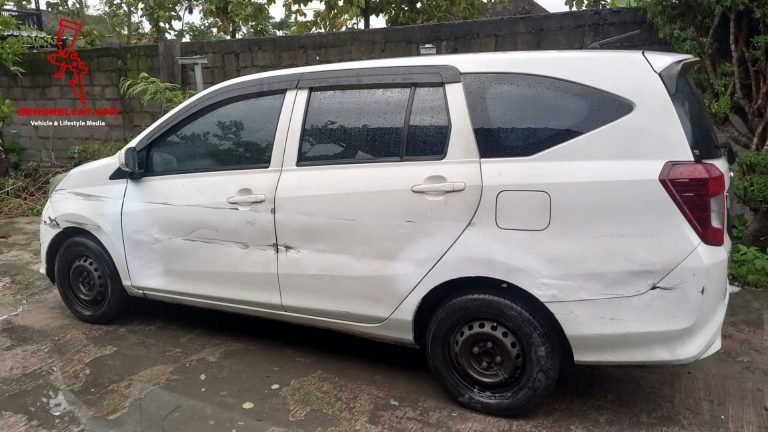
Car door damage can happen in many situations, from minor parking lot accidents and shopping cart impacts to more serious side collisions. Even a small dent or scratch can affect the appearance of a vehicle, while more severe damage may interfere with the door’s ability to open, close, lock, or protect passengers.
Understanding car door repair cost helps vehicle owners make informed decisions before approving a repair. The final price depends on the type of damage, the vehicle’s make and model, the materials used in the door, labor rates, paint requirements, and whether internal components have also been affected.
Some problems can be corrected with paintless dent repair or conventional bodywork. Others require replacement of the door shell or complete door assembly, followed by refinishing and, when applicable, electronic system checks.
This guide explains typical repair costs, the difference between repairing and replacing a car door, factors that influence pricing, and what to check before choosing a repair shop.
How Much Does Car Door Repair Cost?
Car door repair costs vary significantly depending on the severity of the damage and the work required. A minor scratch may need only paint correction, while a badly damaged door may require replacement and additional labor.
The following figures are illustrative estimates in US dollars. They are not verified national averages or guaranteed repair quotes. Actual prices vary by location, vehicle, parts availability, and repair procedures.
| Type of repair | Illustrative cost range |
|---|---|
| Minor scratch or paint damage | $150–$400 |
| Small dent repaired with PDR | $250–$700 |
| Conventional dent and body repair | $300–$900 |
| More extensive door panel repair | $400–$1,200 |
| Window regulator or motor replacement | $300–$800 |
| Door replacement | $1,200–$3,500+ |
| Additional refinishing and related work | Depends on vehicle and damage |
These ranges are intended to help with initial budgeting. A shop must inspect the vehicle before providing a reliable estimate, especially when the impact may have affected internal components or the door’s structural reinforcement.
What Factors Affect Car Door Repair Cost?
Several factors determine how much a repair will cost. Two vehicles with similar-looking dents can receive very different estimates because their construction, equipment, and repair requirements may not be the same.
1. Severity of the Damage
The extent of the damage is one of the biggest cost factors.
Minor scratches, shallow dents, and small creases may be repaired without replacing the door. However, deep dents, sharp folds, torn metal, or damage near the door frame can require more extensive work.
A technician must also check whether the door still fits correctly and whether it opens and closes normally. Damage around the hinges, latch, or mounting points can increase the complexity of the repair.
2. Vehicle Make and Model
The vehicle’s make and model can influence parts prices, labor time, and repair methods.
Some vehicles use relatively simple door designs, while newer models may include:
- Power window systems
- Electronic door locks
- Keyless entry components
- Side-impact protection systems
- Integrated speakers and wiring
- Advanced driver assistance equipment
Luxury vehicles and models with less common parts may cost more to repair because replacement components can be expensive or harder to source.
3. Door Material and Construction
Car doors are commonly made with steel, aluminum, or a combination of different materials.
Steel panels are widely used and can often be repaired using conventional body repair methods, depending on the damage and manufacturer procedures.
Aluminum panels require different handling, tools, and repair precautions. Some aluminum components can be repaired, while others may need replacement depending on the location and severity of the damage.
The material alone does not determine the final price. The repair procedure specified by the vehicle manufacturer and the technician’s experience with that material also matter.
4. Labor Rates and Repair Location
Labor rates differ between repair shops and geographic areas. A shop in a major metropolitan area may charge more than one in a smaller city because of differences in operating costs and local labor markets.
The total labor charge may include:
- Removing and reinstalling the door trim
- Inspecting internal components
- Straightening or replacing damaged metal
- Preparing the surface for paint
- Matching and applying the paint
- Reinstalling door hardware
- Checking door alignment and operation
Ask the repair shop whether its estimate includes labor, materials, paint, parts, and any necessary diagnostic work.
Car Door Repair Cost by Type of Damage
The type of damage determines which repair method is appropriate. Below are common situations and how they may affect the estimate.
1. Scratches and Paint Damage
Minor scratches may affect only the clear coat or paint layer. These are generally less expensive to address than dents involving damaged metal.
Depending on the depth and location, the repair may involve polishing, localized paint repair, or repainting a larger section of the door.
A scratch that exposes bare metal should not be ignored. Moisture can eventually lead to corrosion, particularly if the damaged area remains untreated.
2. Small Dents and Paintless Dent Repair
Paintless dent repair (PDR) is a technique used to remove certain dents without repainting the panel.
It can be suitable when:
- The original paint remains intact.
- The dent is not excessively sharp or stretched.
- The affected area can be accessed with appropriate tools.
- There is no structural damage that prevents the method from being used.
PDR is not suitable for every dent. Deep creases, damaged paint, torn metal, and dents close to certain panel edges may require conventional body repair.
When PDR is appropriate, it can help preserve the factory paint finish and reduce repair time.
3. Deep Dents and Bent Door Panels
A deeper impact can stretch or deform the metal, making the repair more complicated.
The technician may need to remove the door trim, access the inner side of the panel, reshape the metal, apply body filler where appropriate, and prepare the surface for refinishing.
If the door has sharp folds, extensive stretching, or damage around important mounting areas, replacement may be more practical than attempting to repair it.
4. Damaged Door Edges and Hinges
Damage near the door edges, hinges, or latch can affect how the door fits against the body.
Symptoms may include:
- Uneven gaps around the door
- Difficulty opening or closing
- A door that does not latch securely
- Unusual wind noise
- Visible movement or sagging
These issues should be inspected carefully. Simply correcting the visible dent may not solve an alignment or mounting problem.
5. Internal Door Component Damage
A collision can affect components inside the door even when the outer panel does not appear severely damaged.
Possible problems include:
- Broken window regulators
- Damaged power window motors
- Faulty door lock actuators
- Damaged wiring or electrical connectors
- Broken handles or latch mechanisms
- Damaged speakers or other installed equipment
The repair cost depends on which components are affected, whether they can be repaired, and whether replacement parts are required.
How Much Does It Cost to Replace a Car Door?
Replacing a car door is usually more expensive than repairing a minor dent or scratch. However, it may be the more practical option when the door has extensive damage or cannot be restored safely and correctly.
An illustrative replacement estimate may range from $1,200 to $3,500 or more, depending on the vehicle and the parts used.
The total may include:
- Replacement door shell or assembly
- New or reused hinges and hardware
- Window glass and regulator transfer
- Door lock and handle components
- Interior trim transfer
- Paint preparation and refinishing
- Installation and alignment labor
- Electrical checks and applicable system procedures
Door Shell vs. Complete Door Assembly
It is important to understand the difference between a door shell and a complete door assembly.
A door shell is the main metal structure of the door. It may not include glass, window regulators, locks, wiring, speakers, handles, or interior trim.
A complete door assembly may include many of these components, depending on how the part is supplied.
Before approving a replacement, ask the shop exactly what is included in the quoted price. A lower parts price may not represent the full installed cost if many components must be transferred from the original door.
Used, Aftermarket, or OEM Replacement Doors
Replacement doors may come from different sources:
- OEM parts: Components supplied by the vehicle manufacturer or its authorized parts network.
- Aftermarket parts: Replacement components produced by independent manufacturers.
- Used parts: Original components removed from another vehicle.
Each option has advantages and limitations. Compatibility, condition, fit, availability, warranty, and paint preparation should all be considered.
A used door may require additional work if it has scratches, dents, corrosion, or a different color. Confirm that the replacement part is appropriate for the exact vehicle model, year, trim, and equipment.
Does Car Door Repair Include Painting?
Not always. Whether painting is included depends on the repair method and the condition of the existing finish.
Paintless dent repair generally does not require repainting because the original paint is preserved.
Conventional body repair often requires refinishing after the metal has been reshaped. The process may include surface preparation, primer, basecoat, and clear coat.
Why Paint Matching Matters
Matching the repaired door to the surrounding panels can be challenging. Even when the correct paint code is available, the finished color may appear different because of:
- Paint fading from sunlight
- Differences in the original paint condition
- Metallic or pearl paint characteristics
- Application technique
- Variations between paint batches
A repair shop may recommend blending the paint into an adjacent panel when necessary to achieve a more consistent appearance. This can increase the estimate but may improve the visual transition between panels.
Ask whether the quote includes blending and whether the shop has explained why it is needed.
Hidden Damage That Can Increase Repair Costs
Visible damage does not always reveal the full extent of a collision.
A door may look repairable from the outside while internal parts have been bent, cracked, or displaced.
1. Side-Impact Reinforcement
Many vehicle doors contain reinforcement designed to help manage energy during certain side impacts.
If an impact damages this structure, the technician must follow the manufacturer’s repair procedures. Depending on the vehicle design and the damage, the appropriate solution may involve repairing permitted components or replacing the affected door structure.
A damaged reinforcement beam does not automatically mean the entire door must be replaced. The decision depends on the component design, damage location, and applicable manufacturer instructions.
2. Side Airbag Systems
Airbag configurations differ between vehicles. Side airbags may be located in seats, pillars, roof areas, or other designated positions.
A collision may require inspection of related sensors, wiring, connectors, and airbag components, depending on the vehicle and the impact.
Do not assume that every damaged door requires airbag replacement. A qualified technician should check the vehicle’s diagnostic information and follow the manufacturer’s safety procedures.
Never attempt to repair or test airbag wiring without the appropriate training and procedures.
3. Blind Spot Monitoring and Other Sensors
Blind spot monitoring sensors are commonly installed around the rear of a vehicle, often behind or near the rear bumper. Their location varies by manufacturer and model.
A damaged door does not automatically mean that blind spot monitoring calibration is required.
However, if the collision affects sensors, wiring, mounting locations, or other components covered by the manufacturer’s procedures, additional inspection, diagnostic work, or calibration may be necessary.
The shop should identify the specific system involved rather than adding a general calibration charge without an explanation.
Car Door Repair vs. Replacement: Which Is Better?
The best choice depends on the extent of the damage, the door’s structural condition, and the cost of restoring it.
| Situation | Possible repair approach |
|---|---|
| Light scratches | Polishing or localized paint repair |
| Small dent with intact paint | Paintless dent repair |
| Moderate dent | Conventional body repair |
| Deep crease or stretched metal | Repair assessment or replacement |
| Torn or severely deformed panel | Replacement may be more practical |
| Damaged hinges or latch mounting points | Structural and alignment inspection |
| Extensive internal component damage | Component repair or replacement |
Repairing the original door may preserve its existing fit and factory components when the damage is within acceptable repair limits.
Replacement may be more appropriate when the door is severely deformed, has damage that cannot be repaired under manufacturer procedures, or would cost more to restore than to replace.
Do not choose based only on the cheapest estimate. The door must operate correctly, fit properly, and retain the safety functions specified for the vehicle.
Does Car Insurance Cover Car Door Repair?
Car insurance may cover door damage when the incident falls within the policy’s coverage.
For example, collision coverage may apply to damage caused by an accident, while comprehensive coverage may apply to certain non-collision events. Coverage depends on the policy, exclusions, and circumstances of the damage.
Before filing a claim, consider:
- The estimated repair cost
- Your insurance deductible
- Whether the incident is covered
- Whether the insurer requires an approved repair facility
- Whether replacement parts are subject to specific conditions
- Whether additional damage may be discovered during disassembly
A deductible is the amount the policyholder may have to pay before applicable coverage contributes to the repair. It varies by policy and is not necessarily the same for every driver.
For a relatively small repair, paying out of pocket may be worth comparing with the potential insurance claim. For more extensive damage, contacting the insurer before authorizing repairs can help clarify the process.
How to Avoid Unnecessary Car Door Repair Expenses
A lower estimate is not always the best value. The goal should be to restore the door correctly without paying for unnecessary work.
Consider these steps before approving a repair:
1. Request an Inspection of the Entire Door
Ask the technician to inspect both the exterior panel and the internal components. This helps identify hidden damage before the work begins.
2. Compare Itemized Estimates
A useful estimate should separate parts, labor, paint materials, refinishing, and additional procedures.
Comparing itemized estimates makes it easier to understand why one shop charges more than another.
3. Ask Whether PDR Is Suitable
If the damage is a small dent and the paint is intact, ask whether paintless dent repair is an option.
PDR may be less invasive, but it should only be used when the dent and panel condition are suitable.
4. Confirm Replacement Part Details
If the door needs replacement, ask whether the quote uses an OEM, aftermarket, or used component.
Also confirm whether the quoted part includes glass, locks, regulators, handles, and other hardware.
5. Check the Repair Warranty
Ask what the warranty covers. It may apply to workmanship or refinishing, but coverage varies by repair shop.
Get the terms in writing before work begins.
6. Check Door Alignment and Operation After Repair
Before accepting the vehicle, make sure the door opens and closes smoothly, latches securely, and has consistent gaps around the body.
Also check the window, lock, handle, mirror, and other equipment that may have been removed during the repair.
Questions to Ask Before Approving Car Door Repair
Before authorizing the work, consider asking the repair shop:
- Is the damage limited to the outer door panel, or are internal components affected?
- Can the door be repaired safely, or does it need replacement?
- Is paintless dent repair suitable for this damage?
- Does the estimate include paint and any necessary blending?
- Is the replacement part OEM, aftermarket, or used?
- Are glass, locks, regulators, and other components included?
- Are any diagnostic checks or calibrations required by the manufacturer?
- What warranty is provided for the repair?
- Could the estimate change after the door is disassembled?
Clear answers help prevent misunderstandings and unexpected expenses.
Frequently Asked Questions About Car Door Repair Cost
How much does it cost to fix a dent in a car door?
A small dent may cost approximately $250–$700 if paintless dent repair is suitable. Larger dents that require conventional bodywork and repainting can cost more. These are illustrative estimates, not guaranteed prices.
Is it cheaper to repair or replace a car door?
Repairing is generally less expensive when the damage is limited and the door can be restored properly. Replacement may be more practical when the door is severely deformed or cannot be repaired according to manufacturer procedures.
Can a car door be repaired without repainting?
Yes. Paintless dent repair can remove certain dents without repainting when the original paint is intact and the panel is suitable. Scratches that penetrate the paint and more severe damage usually require refinishing.
How long does car door repair take?
A minor dent repair may take a few hours, while conventional bodywork and painting can take several days. Replacement may also take longer if parts must be ordered or additional damage is discovered during disassembly.
Does a damaged car door affect safety?
It can. Damage to hinges, latches, reinforcement structures, or related safety components may affect how the door functions and protects occupants. Have the door inspected after a significant impact, even if the visible damage seems limited.
Will insurance pay for a damaged car door?
It depends on the type of coverage, the cause of the damage, policy exclusions, and deductible. Contact your insurer to confirm coverage before authorizing major repairs.
Should I replace a door with a large dent?
Not necessarily. A large dent does not automatically mean replacement is required. A qualified technician should assess the metal, internal reinforcement, mounting points, and manufacturer repair procedures before recommending a solution.
Final Thoughts
The cost of repairing a car door depends on much more than the size of the visible dent. Paint condition, door construction, internal components, replacement parts, and manufacturer repair requirements can all influence the final estimate.
For minor damage, paintless dent repair or localized refinishing may be sufficient. More extensive damage may require conventional bodywork or door replacement.
Before choosing a repair option, request a detailed inspection and itemized estimate. Make sure the recommended work addresses both the exterior appearance and the door’s proper operation and safety-related components.
A well-planned repair should restore the door’s fit, function, and appearance while following the appropriate procedures for the vehicle.
Related reading: