Car accidents happen when you least expect them. One moment you are driving to work, and the next you are dealing with dents, scratches, or more serious structural damage.
In situations like this, one question immediately comes to mind: Does Insurance Cover Body Repair?
Understanding your coverage before an accident occurs can save you from financial stress and confusion.
Auto body repair costs can range from a few hundred dollars for minor dents to several thousand dollars for structural frame damage.
Without proper insurance protection, these expenses can quickly become overwhelming.
This guide explains in detail what car insurance policies typically include, what they exclude, and how deductibles and limits affect your claim.
By the end, you will have a clear understanding of how coverage works and what steps to take if your vehicle needs body repairs.
Understanding the Basics of Auto Insurance Coverage
To answer the question Does Insurance Cover Body Repair, you first need to understand the types of car insurance coverage available. Not all policies protect against physical vehicle damage. Some only cover damage you cause to others.
There are four main types of auto insurance coverage that affect body repair claims:
- Liability coverage
- Collision coverage
- Comprehensive coverage
- Uninsured/Underinsured motorist coverage
Each plays a different role when your car is damaged.
Liability Coverage: What It Does and Does Not Cover
Liability insurance is mandatory in most states. It pays for damage you cause to someone else’s vehicle or property. However, it does not pay for repairs to your own car.
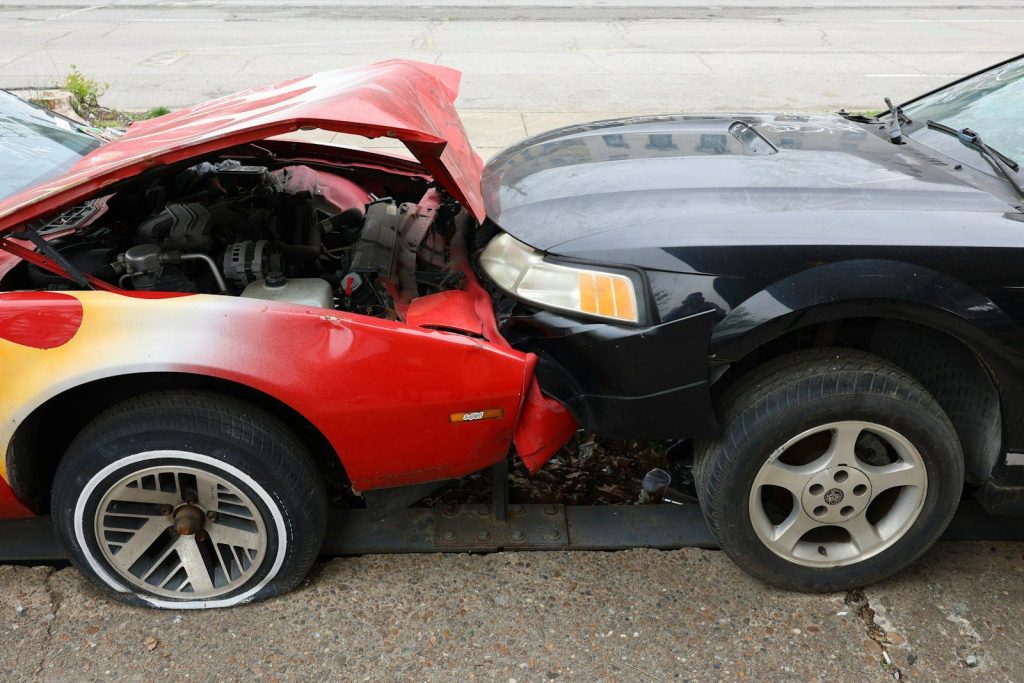
For example, if you rear-end another vehicle and damage both cars, your liability insurance will cover the other driver’s repairs. You would need collision coverage to fix your own vehicle.
This is one of the most common misunderstandings among drivers. Many assume basic insurance automatically covers their vehicle repairs, which is not always the case.
Collision Coverage: Protection After an Accident
Collision coverage pays for repairs to your vehicle if it is damaged in an accident, regardless of who is at fault. This includes:
- Hitting another vehicle
- Striking a stationary object like a pole or guardrail
- Rolling your vehicle
If you are wondering Does Insurance Cover Body Repair after an accident you caused, collision coverage is typically the answer.
However, you will still need to pay your deductible. If your deductible is $500 and repairs cost $3,000, the insurer will pay $2,500.
Comprehensive Coverage: Non-Collision Damage
Comprehensive coverage handles damage not caused by a collision. This includes:
- Theft
- Vandalism
- Fire
- Hail or storm damage
- Falling objects
For example, hail damage can cause dozens of dents across your hood and roof. Repairing this may cost $1,500 to $4,000 depending on severity. Comprehensive coverage usually applies in such cases.
So when asking Does Insurance Cover Body Repair caused by natural disasters, comprehensive insurance is typically what provides protection.
You May Also Like: Is It Cheaper to Pay Out of Pocket for Body Damage
What Types of Body Repairs Are Usually Covered?
Not all repairs are treated equally. Coverage depends on how the damage occurred and what type of policy you carry.
In most cases, insurance may cover:
- Dent and scratch repair from accidents
- Bumper replacement
- Door panel replacement
- Fender and quarter panel repairs
- Frame straightening after a collision
- Paint damage caused by insured events
However, normal wear and tear is not covered. Rust, faded paint, and cosmetic deterioration from age are considered maintenance issues.
Minor Cosmetic Repairs
Small scratches and dings can cost between $150 and $800 depending on size and location. If the damage resulted from an accident or vandalism, it may be covered.
But if the repair cost is close to your deductible, filing a claim may not make financial sense.
Major Structural Damage
More serious repairs, such as frame straightening or structural panel replacement, can cost $3,000 to $10,000. These are typically covered under collision coverage if caused by an accident.
In severe cases, the insurer may declare the vehicle a total loss if repair costs exceed 70–80 percent of the car’s actual cash value.
When Insurance Does Not Cover Body Repair
It is just as important to know what is excluded. Many drivers only discover coverage gaps after filing a claim.
Insurance generally does not cover:
- Routine maintenance
- Mechanical breakdowns unrelated to accidents
- Intentional damage
- Wear and tear
- Damage caused while using the car for excluded commercial purposes
For instance, if your paint is peeling due to age or sun exposure, insurance will not pay for repainting.
If you only have third party liability insurance, the answer to the question Does Insurance Cover Your Own Vehicle Body Repairs is often no.
Deductibles, Limits, and How They Affect Your Claim
Even when coverage applies, your out-of-pocket cost depends on your deductible and policy limits.
Understanding Deductibles
A deductible is the amount you pay before insurance coverage kicks in. Common deductibles range from $250 to $1,000.
Choosing a higher deductible lowers your monthly premium but increases your financial responsibility after an accident.
If your repair estimate is $900 and your deductible is $1,000, you would pay the entire repair cost yourself.
This is why evaluating Does Insurance Cover Body Repair should always include reviewing your deductible amount.
Policy Limits and Actual Cash Value
Insurance companies usually reimburse based on actual cash value (ACV), not replacement cost. ACV factors in depreciation.
If your 8-year-old vehicle is worth $6,000 and repair costs are $5,500, the insurer might total the vehicle instead of approving repairs.
Understanding this calculation helps prevent surprises during the claims process.
How the Claims Process Works
Filing a claim involves several steps. Acting quickly can improve your chances of smooth approval.
- Document the damage with photos.
- Contact your insurance provider.
- Obtain a repair estimate from an approved body shop.
- Work with an adjuster for inspection.
- Approve repairs and pay your deductible.
Some insurers allow digital photo estimates, while others require in-person inspections.
From experience covering automotive repair operations and speaking with body shop managers, we have seen how delays often occur due to incomplete documentation or disagreements over repair methods.
Professional repair facilities often negotiate directly with insurers to ensure proper parts and procedures are approved.
OEM vs Aftermarket Parts in Insurance Repairs
A common concern is whether insurers use original manufacturer parts or aftermarket alternatives.
Many policies allow insurers to use aftermarket or recycled parts to reduce costs. While these parts are generally safe and certified, they may not always match OEM fit and finish perfectly.
If maintaining factory originality is important to you, review your policy carefully. Some insurers offer endorsements that guarantee OEM parts for newer vehicles.
This factor often influences how drivers evaluate Does Insurance Cover Body Repair fully or partially.
State Laws and Regional Differences
Insurance regulations vary by state. Some states require insurers to disclose when aftermarket parts are used. Others limit how insurers can steer customers toward certain repair shops.
For example, states like California and Florida have detailed consumer protection rules regarding auto repair claims. Meanwhile, other states provide more flexibility to insurers.
These variations can influence both coverage details and claim handling procedures.
If you recently moved or changed insurers, review your updated policy carefully to ensure consistent protection.
Special Situations That Affect Coverage
Certain scenarios require additional clarification.
Hit-and-Run Accidents
If someone hits your parked vehicle and leaves, collision or uninsured motorist property damage coverage may apply.
Without these coverages, you may have to pay out-of-pocket.
Leased or Financed Vehicles
Lenders typically require collision and comprehensive coverage. This protects both you and the financing company.
If you drop coverage below required limits, you could face forced-placed insurance at higher rates.
Rideshare or Delivery Use
Using your vehicle for rideshare or delivery services may require special endorsements. Standard personal policies often exclude commercial activity.
Failing to disclose this use can result in claim denial.
Is It Worth Filing a Claim for Minor Damage?
Before filing, calculate:
- Repair estimate
- Your deductible
- Potential premium increase
- Impact on claims history
If repair costs are only slightly above your deductible, paying out-of-pocket may be wiser.
For example, if repairs cost $1,200 and your deductible is $1,000, insurance only pays $200. A future premium increase could exceed that amount.
This practical evaluation is essential when asking Does Insurance Cover Body Repair in a financially beneficial way.
How to Review Your Policy Effectively
To fully understand your protection, take these steps:
- Read your declarations page carefully
- Check deductibles for both collision and comprehensive
- Confirm policy limits
- Ask about OEM part coverage
- Verify exclusions
Call your insurance agent if anything is unclear. Many policyholders assume coverage without verifying details.
Being proactive ensures that when an accident occurs, you already know the answer, namely whether insurance covers vehicle body repairs under your policy.
Preventing Coverage Disputes
Disputes often arise over repair costs or methods. To minimize conflict:
- Choose reputable certified body shops
- Request detailed written estimates
- Keep communication records
- Understand insurer-approved labor rates
Experienced repair centers often document structural damage thoroughly, which strengthens your claim.
From industry observations, the smoothest claims involve clear communication between the shop, adjuster, and vehicle owner.
Conclusion
So, Does Insurance Cover Body Repair? The answer depends largely on the type of coverage you carry.
Collision insurance covers accident-related damage. Comprehensive handles non-collision events like theft or weather.
Liability alone does not protect your vehicle. Deductibles, policy limits, and state laws also influence your final payout.
Understanding your policy before an accident occurs is the best way to protect yourself financially.
Review your coverage annually, especially if your vehicle’s value changes or your driving habits evolve.
In the end, knowing exactly what your insurance includes eliminates uncertainty and allows you to make informed decisions when your vehicle needs repairs.
You May Also Like: Auto Body Repair Cost in the US