A damaged bumper is one of the most common issues vehicle owners face after a minor collision. Whether it’s a parking lot scrape, a rear-end tap at a traffic light, or a low-speed fender bender, the bumper usually takes the first hit. The big question that follows is simple: should you repair it or replace it entirely?
Understanding the Repair vs Replace Bumper Cost can help you avoid overspending and make a smarter financial decision. In many cases, the right choice depends on the extent of the damage, the type of bumper material, and the overall condition of your vehicle.
This guide breaks down real-world cost comparisons, repair limitations, insurance considerations, and long-term value factors so you can confidently choose the option that saves you more.
Understanding What Your Bumper Actually Does
Before comparing prices, it’s important to understand the purpose of a bumper. Modern bumpers are more than just cosmetic panels. They are part of a vehicle’s safety system.
Today’s bumpers typically consist of:
- A plastic bumper cover
- Energy-absorbing foam or impact absorbers
- A metal reinforcement bar
- Sensors or cameras in advanced vehicles
Even minor damage can affect structural alignment, parking sensors, or blind-spot monitoring systems. That’s why the Repair vs Replace Bumper Cost isn’t just about visible scratches—it’s about safety and functionality.
When damage is purely cosmetic, repair may be the obvious choice. However, if structural components are compromised, replacement might be the safer and more cost-effective long-term solution.
When Bumper Repair Makes Financial Sense
Not every bumper issue requires a full replacement. In fact, many minor damages can be repaired at a fraction of the cost.
1. Surface Scratches and Paint Damage
If the damage only affects the clear coat or paint layer, repair costs are relatively low. Professional refinishing typically ranges between $150 and $600, depending on paint matching and vehicle type.
For small scratches, mobile repair services can reduce expenses even further.
2. Minor Dents and Scuffs
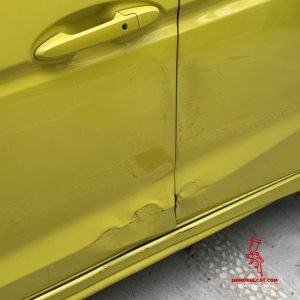
Plastic bumpers can often be reshaped using heat and specialized tools. Small dents without cracks usually cost between $250 and $800 to fix.
In this scenario, the Repair vs Replace Bumper Cost clearly favors repair because replacement could exceed $1,000.
3. Cracks That Can Be Welded
Some cracks in plastic bumpers can be repaired using plastic welding techniques. If the crack is short and doesn’t compromise structural integrity, repair costs may range from $300 to $700.
However, if cracks spread across multiple sections, replacement may be more practical.
When Bumper Replacement Becomes the Better Option
While repairs can save money upfront, they’re not always the smartest long-term decision.
1. Structural Damage to Reinforcement Bar
If the metal reinforcement bar is bent or the impact absorber is crushed, replacing the bumper assembly is usually required. Structural integrity matters, especially for future collisions.
In such cases, the Repair vs Replace Bumper Cost comparison often shifts in favor of replacement because repairing structural components can be complex and unreliable.
2. Extensive Cracks or Missing Pieces
Large cracks, holes, or missing bumper sections make repair difficult and less durable. Plastic filler and welding have limitations.
Replacement ensures:
- Proper fitment
- Stronger impact resistance
- Better resale value
3. Advanced Driver Assistance Systems (ADAS) Involvement
Modern vehicles often have sensors embedded in the bumper. If radar sensors, parking assist systems, or backup cameras are affected, recalibration alone can cost $300 to $1,000.
In these cases, evaluating the Repair vs Replace Bumper Cost must include diagnostic scanning and calibration fees. Sometimes replacement ensures correct sensor alignment.
Also Read: Paintless Dent Repair vs Traditional Repair Cost
Average Cost Comparison: Repair vs Replacement
Let’s break down general price ranges in the United States.
Bumper Repair Costs:
- Minor scratches: $150 – $600
- Small dents: $250 – $800
- Plastic crack repair: $300 – $700
- Aftermarket bumper cover: $500 – $1,200
- OEM bumper cover: $800 – $2,000
- Labor and paint: $500 – $1,500
- Sensor recalibration: $300 – $1,000
A full replacement can easily reach $1,500 to $3,500 depending on vehicle make and technology.
This comparison shows why analyzing the Repair vs Replace Bumper Cost carefully is crucial before approving body shop work.
Factors That Influence the Total Cost
The final price depends on more than just visible damage. Several variables can significantly change your bill.
Vehicle Make and Model
Luxury brands and newer vehicles tend to have higher parts costs. A bumper replacement on a compact sedan may cost $1,200, while a luxury SUV could exceed $3,000.
OEM vs Aftermarket Parts
Original Equipment Manufacturer (OEM) parts are typically more expensive but guarantee perfect fit and finish. Aftermarket options are cheaper but may vary in quality.
Choosing between these options affects the overall Repair vs Replace Bumper Cost significantly.
Paint Matching Complexity
Pearl, metallic, or tri-coat paints require additional labor and materials. Custom paint jobs increase both repair and replacement costs.
Labor Rates by Location
Urban areas often charge higher hourly labor rates than rural regions. Body shop labor can range from $50 to $150 per hour depending on the state.
Insurance Considerations: Repair or Replace?
Insurance coverage can heavily influence your decision.
If the repair cost is close to your deductible, paying out of pocket may make more sense. Filing a claim could increase your premium.
However, if replacement costs exceed $2,000 and your deductible is $500, insurance coverage might be beneficial.
When calculating the Repair vs Replace Bumper Cost, always include:
- Deductible amount
- Potential premium increases
- Claim history impact
Some insurers prefer repair over replacement to reduce claim payouts, but safety should remain the priority.
Long-Term Value and Resale Impact
A poorly repaired bumper can affect resale value. Visible repair lines, uneven paint, or weakened plastic may reduce buyer confidence.
On the other hand, a professional repair that restores factory appearance can maintain vehicle value without the expense of full replacement.
In resale scenarios, the Repair vs Replace Bumper Cost should be evaluated alongside:
- Vehicle age
- Market value
- Overall condition
For older vehicles worth under $5,000, full replacement may not always be financially wise.
Our Experience Covering Collision Repairs
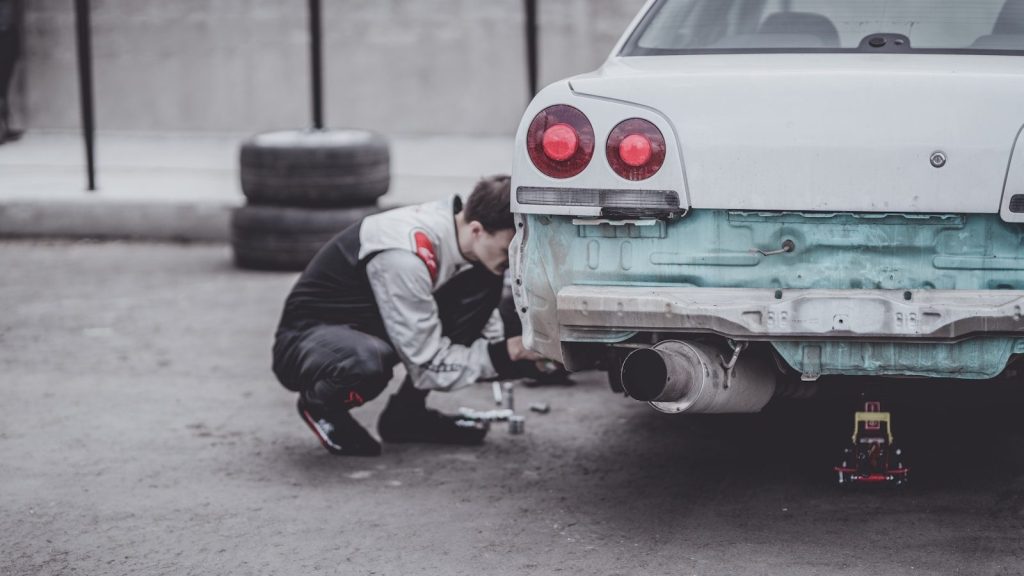
Over the years, our team has worked closely with collision repair professionals and documented real-world repair cases across different vehicle categories. In many minor impact situations, repair saved customers hundreds of dollars without compromising safety.
However, we have also seen cases where cheap repairs led to recurring cracks within months. In those situations, replacement would have been more cost-effective in the long run. This hands-on exposure highlights why understanding the Repair vs Replace Bumper Cost is more than just comparing price tags—it’s about durability and safety.
Hidden Costs Most Drivers Overlook
Some expenses don’t appear on the initial estimate.
Rental Car Fees
If replacement takes several days due to parts ordering, rental car costs may add $200 to $500.
Paint Blending
To achieve a seamless finish, body shops may blend paint into adjacent panels. This increases labor and materials.
Sensor Calibration
Advanced safety systems require precise calibration after installation. Skipping this step can compromise vehicle safety.
All these elements contribute to the true Repair vs Replace Bumper Cost and should be clarified before approving work.
How to Decide: A Practical Decision Framework
If you’re unsure which route to take, use this quick evaluation guide:
Choose Repair If:
- Damage is cosmetic only
- No structural components are bent
- Sensors remain functional
- Cost is under 50% of replacement
Choose Replacement If:
- Reinforcement bar is damaged
- Large cracks or holes exist
- ADAS systems are misaligned
- Repair approaches replacement pricing
By applying this structured approach, the Repair vs Replace Bumper Cost becomes easier to evaluate logically instead of emotionally.
Environmental Impact Considerations
Repairing instead of replacing reduces plastic waste and lowers manufacturing demand. Bumper covers are typically made from polypropylene, which requires energy-intensive production.
If the damage is minor, repair is generally the more environmentally responsible option.
However, replacing a severely damaged bumper ensures better safety performance in future impacts, which ultimately protects occupants and reduces long-term risk.
Timeline Differences Between Repair and Replacement
Repair jobs can often be completed within a few hours to one day.
Replacement typically requires:
- Ordering parts (2–5 days)
- Painting and curing (1–2 days)
- Installation and calibration (1 day)
This difference affects downtime and transportation planning.
When factoring time into the Repair vs Replace Bumper Cost decision, convenience may also play a role.
Final Thoughts: Which Option Truly Saves You More?
There is no universal answer to whether repair or replacement is better. The smartest choice depends on damage severity, vehicle technology, insurance coverage, and long-term ownership plans.
In minor cases, repair almost always wins financially. It preserves original components and costs significantly less.
In severe or structural cases, replacement provides better safety and durability. Although more expensive upfront, it may prevent recurring problems and protect resale value.
Ultimately, evaluating the Repair vs Replace Bumper Cost requires balancing immediate expenses with long-term benefits. By understanding all cost factors, asking the right questions at the body shop, and considering safety implications, you can confidently choose the option that truly saves you more.
Also Read: Auto Body Repair Cost in the US