
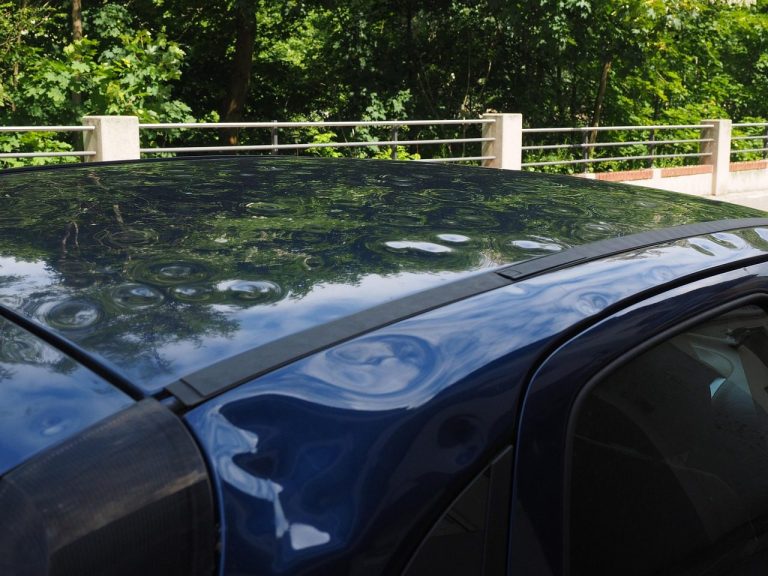
Minor dents and dings are almost unavoidable. A stray shopping cart, a hailstorm, or a tight parking space can leave visible damage on your vehicle’s body panels. When that happens, most drivers ask the same question: should you choose paintless dent repair or go with a traditional body shop repair?
Understanding the Paintless Dent Repair vs Traditional Repair Cost is essential before making a decision. While both methods aim to restore your car’s appearance, they differ significantly in price, process, repair time, and long-term value.
This comprehensive guide compares both options side by side, helping you determine which one makes the most financial and practical sense for your situation.
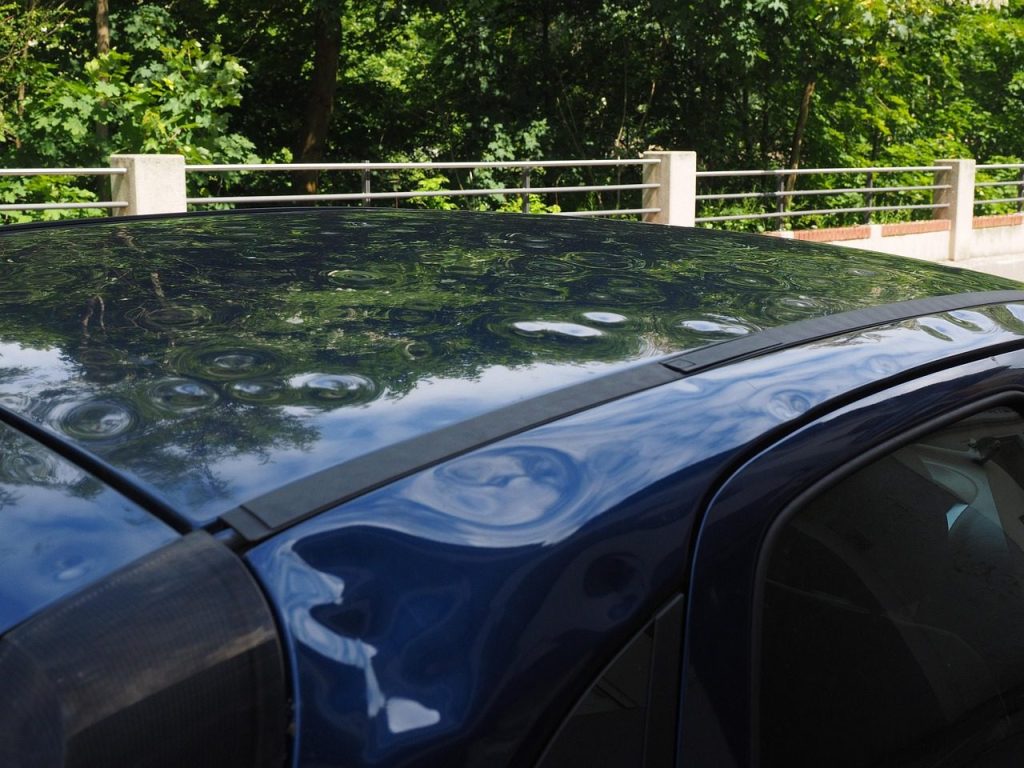
What Is Paintless Dent Repair (PDR)?
Paintless dent removal, commonly known as PDR, is a technique that removes dents without sanding, filling, or repainting the damaged area. Instead of altering the surface, technicians use specialized tools to gently massage the metal back to its original shape from behind the panel.
Because it preserves the factory paint, this method is often faster and less expensive than conventional body repair.
How Paintless Dent Repair Works
The process involves accessing the backside of the dent through panels or small openings. Technicians use metal rods and precision tools to apply controlled pressure. For shallow dents, glue-pulling techniques may be used from the exterior.
Since no repainting is required, labor time and material costs are significantly lower. This difference plays a major role when comparing the Paintless Dent Repair vs Traditional Repair Cost.
When PDR Is Suitable
Paintless dent repair works best when:
- The paint surface is intact
- The dent is shallow and smooth
- The metal is not severely stretched
- There are no sharp creases or cracked paint
Hail damage and door dings are ideal candidates. However, deep or complex dents often require conventional methods.
What Is Traditional Dent Repair?
Traditional repair involves sanding the damaged area, applying body filler, reshaping the surface, priming, and repainting the panel. In some cases, the damaged panel may need replacement.
This method is more labor-intensive and requires additional materials such as filler, primer, paint, and clear coat.
Step-by-Step Traditional Process
- Sanding and grinding the damaged area
- Applying body filler to reshape the panel
- Sanding and smoothing
- Priming the surface
- Repainting and blending
- Clear coating and curing
Each step adds time and cost. As a result, the Paintless Dent Repair vs Traditional Repair Cost comparison often reveals noticeable price differences.
When Traditional Repair Is Necessary
Conventional repair is required if:
- The paint is cracked or chipped
- The dent is deep or sharply creased
- The panel has structural damage
- Rust is present
In these cases, paintless methods simply won’t restore the panel properly.
Side-by-Side Cost Comparison
Let’s break down typical cost ranges in the United States.
Paintless Dent Repair Cost
- Small door ding: $75 – $150
- Medium dent (2–4 inches): $150 – $350
- Large dent: $350 – $800
- Hail damage (multiple dents): $1,000 – $2,500
Because it eliminates paint and filler materials, PDR is usually the more affordable option.
Traditional Dent Repair Cost
- Minor dent with repainting: $300 – $900
- Moderate damage with blending: $800 – $1,500
- Severe dent with panel replacement: $1,500 – $3,500
Labor rates, paint complexity, and vehicle type can increase costs further.
When analyzing the Paintless Dent Repair vs Traditional Repair Cost, it’s clear that PDR can save hundreds—or even thousands—of dollars when applicable.
Also Read: OEM vs Aftermarket Body Parts Cost
Time Efficiency: Which Method Is Faster?
Cost is important, but time also matters. Many drivers rely on their vehicles daily and want minimal downtime.
Paintless dent repair often takes a few hours to one day. Hail repairs may take longer, but still significantly less time than conventional bodywork.
Traditional repair can require several days due to sanding, painting, drying, and curing times. If parts must be ordered, delays increase.
This difference in turnaround time strengthens the argument when evaluating the Paintless Dent Repair vs Traditional Repair Cost from both financial and convenience perspectives.
Quality and Long-Term Durability
Some vehicle owners worry that paintless repair may not be as durable as traditional repair. In reality, when performed correctly, PDR restores the original metal without compromising paint integrity.
Because factory paint remains untouched, there’s no risk of mismatched color or peeling clear coat later.
Traditional repair can also deliver excellent results when done by experienced technicians. However, repainting introduces potential risks such as blending inconsistencies or future fading.
Therefore, the Paintless Dent Repair vs Traditional Repair Cost comparison should also include long-term appearance and resale considerations.
Impact on Vehicle Resale Value
Preserving original factory paint often helps maintain resale value. Buyers and dealerships prefer vehicles with minimal repainting.
A Carfax report may note structural repairs, which could affect market perception.
When dents are minor and paint is intact, PDR usually supports stronger resale outcomes. In this context, the Paintless Dent Repair vs Traditional Repair Cost discussion extends beyond immediate savings.
Insurance Considerations
Insurance companies frequently approve paintless dent repair for hail claims and minor damage. Because it costs less, insurers often prefer it.
If repair costs fall below your deductible, paying out of pocket may be smarter.
When damages are extensive and exceed deductible thresholds, traditional repair may be necessary. Always calculate total out-of-pocket expenses when assessing the Paintless Dent Repair vs Traditional Repair Cost under an insurance claim.
Factors That Influence Final Pricing
No two dents are exactly alike. Several variables affect total cost.
1. Vehicle Make and Model
Luxury vehicles with aluminum panels require specialized tools and expertise, increasing costs for both methods.
2. Dent Location
Dents on flat panels are easier to repair than those near edges, body lines, or reinforcements.
3. Paint Type
Pearl and metallic finishes increase repainting expenses in traditional repair.
4. Extent of Damage
Multiple dents significantly increase labor hours, especially in conventional repairs.
Each of these elements impacts the final Paintless Dent Repair vs Traditional Repair Cost calculation.
Environmental Impact Comparison
Paintless dent repair produces less waste because it doesn’t involve sanding dust, chemical fillers, or paint emissions.
Traditional repair uses primers, paints, and solvents that release volatile organic compounds (VOCs).
For environmentally conscious vehicle owners, this distinction may influence their decision when comparing the Paintless Dent Repair vs Traditional Repair Cost.
Real-World Experience from the Field
Our team has documented numerous collision and cosmetic repair cases over the years. In several hail damage scenarios, PDR reduced total repair bills by more than 40 percent compared to conventional estimates.
We’ve also seen cases where deep creases made paintless methods ineffective, forcing technicians to switch to traditional repair midway. Those experiences highlight the importance of proper assessment before committing to one method. The Paintless Dent Repair vs Traditional Repair Cost should always be evaluated after a thorough inspection.
Practical Decision Guide
If you’re unsure which method to choose, use this quick evaluation framework.
Choose Paintless Dent Repair if:
- The paint is undamaged
- The dent is shallow
- The panel has no sharp creases
- You want faster turnaround
Choose Traditional Repair if:
- Paint is chipped or cracked
- Metal is stretched or torn
- Rust is forming
- Structural integrity is compromised
This structured approach makes the Paintless Dent Repair vs Traditional Repair Cost easier to assess logically.
Hidden Costs to Watch For
Some additional expenses may apply.
Rental car fees can add $200–$600 if repairs take several days.
Panel blending during repainting increases labor charges.
Advanced driver assistance systems (ADAS) may require recalibration if sensors are removed during repair.
These factors should be included when comparing the Paintless Dent Repair vs Traditional Repair Cost in real-world scenarios.
Final Verdict: Which Option Saves You More?
There is no universal answer because every dent is different. However, in cases where the paint remains intact and the dent is minor, paintless dent repair almost always offers better value.
It costs less, preserves factory paint, and requires less downtime.
Traditional repair becomes necessary when damage is severe, paint is compromised, or structural integrity is affected. Although more expensive, it ensures complete restoration in complex situations.
Ultimately, the smartest decision comes from a detailed inspection and a transparent estimate. By carefully reviewing the Paintless Dent Repair vs Traditional Repair Cost, considering long-term value, and evaluating repair feasibility, you can choose the solution that delivers the best balance of affordability, durability, and appearance.
Making an informed decision today can protect both your vehicle’s condition and your wallet tomorrow.
Also Read: Auto Body Repair Cost in the US