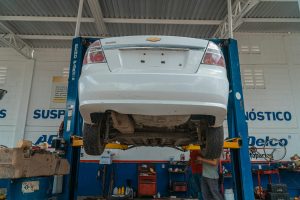
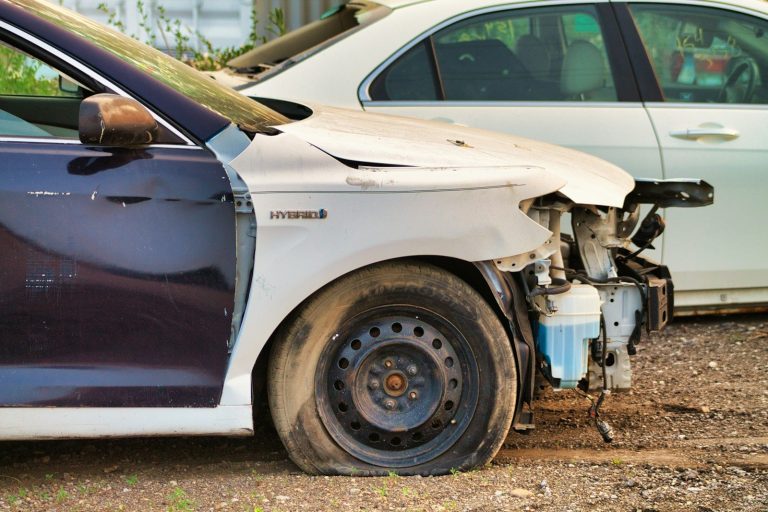
Car repairs are rarely cheap, but many drivers are surprised when they compare estimates from different states and notice how much more they pay on the West Coast.
The auto body repair cost in California often exceeds national averages by a noticeable margin.
Whether you live in Los Angeles, San Diego, or a smaller inland city, the difference can be significant.
Understanding why these costs are higher helps you prepare financially and avoid unnecessary expenses.
Labor rates, environmental regulations, insurance dynamics, and even real estate prices all play a role.
This article explores the key reasons behind the rising Average auto body repair cost in California and what drivers can realistically expect when repairing their vehicles.
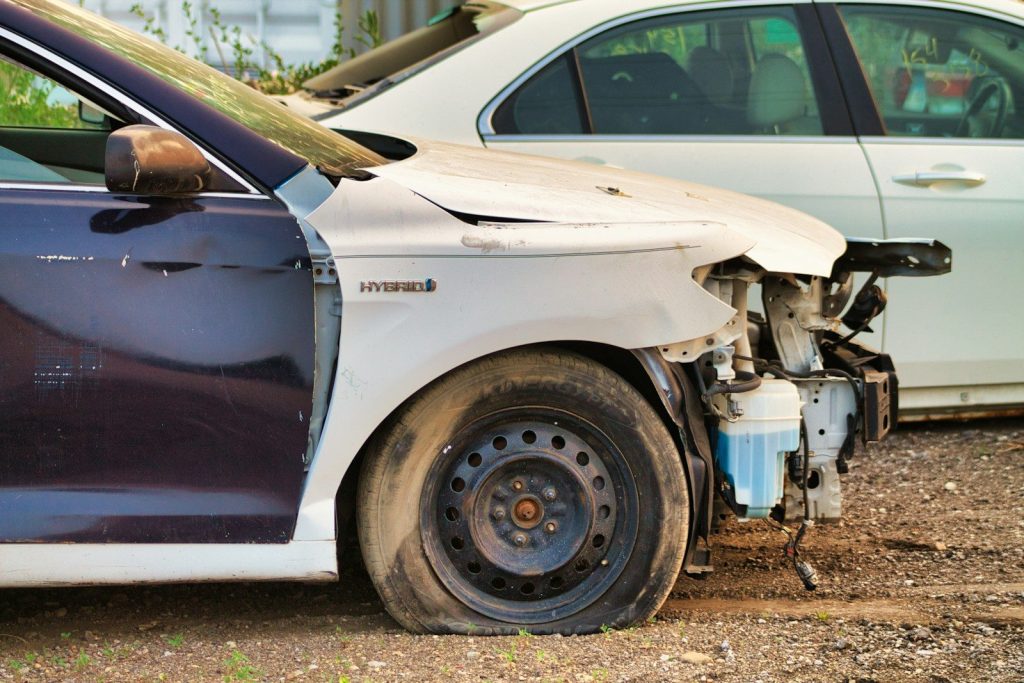
Labor Rates and Cost of Living Drive Higher Repair Bills
One of the most important factors influencing Auto Body Repair Cost in California is labor. Bodywork is highly skilled labor.
Technicians must understand structural alignment, welding, painting, and increasingly complex vehicle electronics.
1. Higher Hourly Labor Rates
California has one of the highest average wages in the United States.
Auto body technicians often earn more here than in many other states due to:
- Higher minimum wage laws
- Stronger labor protections
- Increased demand for certified specialists
In many parts of the U.S., body shop labor ranges from $50 to $75 per hour.
In California, rates commonly fall between $80 and $120 per hour, depending on the region.
In major metropolitan areas like Los Angeles or the Bay Area, it can climb even higher.
When a repair requires 15 to 30 labor hours, the total increases quickly.
This factor pushes the average auto body repair cost in California above that of states with cheaper labor.
2. High Operating Expenses for Repair Shops
Beyond wages, repair shops must manage high operational costs.
Rent or property leases in cities such as Los Angeles or San Francisco are substantially more expensive than in most states.
Utilities, insurance coverage, equipment financing, and local business taxes also contribute.
These overhead costs are built into repair estimates.
As a result, even small repairs like bumper repainting can cost several hundred dollars more than the national average.
Strict Environmental Regulations Increase Paint and Material Costs
California is known for having some of the strictest environmental standards in the country.
Agencies such as the California Air Resources Board regulate emissions and chemical usage across industries, including auto body shops.
1. Low-VOC Paint Requirements
Body shops in California must use low-VOC (volatile organic compound) paints.
These materials are more environmentally friendly but also more expensive than traditional solvent-based paints.
The switch to waterborne and compliant coatings requires:
- Specialized spray booths
- Advanced filtration systems
- Ongoing compliance inspections
All of these investments add to operational expenses. Over time, these costs are reflected in repair invoices.
2. Waste Disposal and Compliance Costs
Auto body repair generates hazardous waste, including solvents, sanding dust, and chemical residues.
California mandates strict disposal procedures.
Shops must partner with certified waste management companies and follow documentation protocols.
Compliance reduces environmental harm, but it also increases service pricing.
Consequently, Auto Body Repair Cost in California includes built-in regulatory expenses that drivers in other states may not face to the same degree.
Advanced Vehicle Technology Raises Repair Complexity
Modern vehicles are far more complex than those produced 15 or 20 years ago.
Sensors, cameras, aluminum frames, and advanced driver assistance systems (ADAS) require specialized handling.
California has a high concentration of newer vehicles, electric cars, and luxury brands. This shifts the repair landscape significantly.
1. Electric and Hybrid Vehicle Repairs
California leads the nation in electric vehicle adoption.
Brands like Tesla are especially common on California roads.
Repairing electric vehicles often requires:
- Certified EV technicians
- Specialized high-voltage safety procedures
- OEM-approved parts
- Advanced calibration equipment
Even minor collision repairs may require recalibrating sensors and cameras.
This increases labor time and equipment usage, pushing the Car damage repair cost California higher for EV owners.
2. Aluminum and Lightweight Materials
Many modern vehicles use aluminum panels and high-strength steel.
These materials reduce weight but are more difficult to repair.
Aluminum repair often requires:
- Dedicated repair bays
- Separate tools to prevent cross-contamination
- Technicians with brand certifications
Because not every shop can handle these materials, fewer facilities are qualified.
Limited supply combined with strong demand increases pricing power.
Insurance Market and Claim Patterns in California
Insurance also plays a major role in shaping auto body repair cost in California.
The state has dense traffic, high accident frequency in urban areas, and a strong consumer protection framework.
1. Higher Accident Rates in Urban Areas
Major metropolitan regions such as Los Angeles and San Francisco experience heavy traffic congestion.
More vehicles on the road increase the likelihood of collisions.
When accident frequency rises, body shops remain busy year-round.
High demand allows facilities to maintain premium pricing structures.
2. Insurance Regulations and Negotiation Limits
California law provides consumer protections in repair claims.
While this benefits vehicle owners, it can limit insurers’ ability to aggressively negotiate labor rates downward.
In some states, insurance networks heavily control repair pricing.
In California, independent shops often have greater flexibility. This contributes to higher average repair bills.
From our team’s experience covering collision repair operations across Southern
California, we’ve seen firsthand how claim negotiations unfold.
Shops frequently spend hours documenting structural damage, supplementing estimates, and coordinating with adjusters.
That administrative workload adds indirect cost, even if customers never see it itemized separately.
Also Read: Auto Body Shop Prices in New York
Real Estate and Regional Price Differences
Location within California makes a significant difference. The state’s economic diversity creates wide cost variations.
1. Coastal Cities vs. Inland Areas
Repairs in coastal cities generally cost more than in inland regions. For example:
- Los Angeles and Orange County: highest labor rates
- Bay Area: premium pricing due to extreme rent
- Central Valley: moderately lower, but still above national average
Even in less expensive regions, the baseline Collision repair cost in California typically exceeds national figures because statewide regulations and wage standards apply everywhere.
2. Luxury Vehicle Concentration
California has one of the highest concentrations of luxury and exotic vehicles in the country.
Brands like BMW and Mercedes-Benz are common in affluent communities.
Luxury vehicles require OEM parts, certified repair facilities, and specialized paint matching.
As these vehicles become more common, the overall market average for repairs rises.
Supply Chain and Parts Pricing
Another contributor to higher Auto Body Repair Cost in California is parts pricing and logistics.
1. OEM vs. Aftermarket Parts
California consumers often prefer OEM (Original Equipment Manufacturer) parts.
Insurance disputes sometimes arise over aftermarket alternatives.
OEM parts typically cost 20% to 40% more than aftermarket equivalents.
When customers insist on factory components, repair totals increase accordingly.
2. Shipping and Inventory Costs
Although California has major ports, supply chain disruptions can still impact pricing.
Imported vehicle components, especially for European brands, may require additional shipping time and storage fees.
Shops may charge higher parts margins to offset delays and inventory management costs.
Typical Repair Price Ranges in California
To understand the financial impact, consider common repair scenarios:
- Minor bumper repair and repaint: $800–$1,800
- Fender replacement and paint: $1,500–$3,000
- Moderate collision with structural work: $4,000–$8,000
- Major frame damage repair: $10,000 or more
These ranges vary by vehicle type and location.
However, they consistently demonstrate that Body shop prices in California tends to sit above the U.S. average by 15% to 30%.
For electric or luxury vehicles, the difference can be even greater.
How to Manage and Reduce Repair Expenses
While pricing factors may be unavoidable, drivers can still take steps to control expenses.
1. Compare Multiple Estimates
Getting at least two or three estimates helps you understand fair market pricing.
Even within the same city, rates can vary by several hundred dollars.
2. Ask About Parts Options
Discuss OEM versus aftermarket parts with your repair shop and insurance provider.
Understanding warranty implications helps you make informed decisions.
3. Maintain Adequate Insurance Coverage
Comprehensive and collision coverage can significantly reduce out-of-pocket costs.
Given the higher auto body repair cost in California, maintaining appropriate deductibles is essential.
4. Address Damage Early
Small dents or paint chips can worsen over time.
Prompt repairs may prevent corrosion or structural complications, ultimately saving money.
The Bigger Picture: Why Higher Costs Reflect Higher Standards
Although repair costs may feel steep, they also reflect California’s higher standards.
Strict environmental laws reduce harmful emissions. Certified technicians ensure safe structural repairs.
Advanced equipment supports accurate sensor calibration.
These improvements enhance vehicle safety and environmental responsibility.
In many cases, the higher Car body repair cost in California corresponds with more comprehensive and regulated repair practices.
For vehicle owners, understanding this context transforms frustration into informed decision-making.
Conclusion
Auto body repair pricing in California is shaped by multiple interconnected factors.
High labor wages, strict environmental regulations, expensive real estate, advanced vehicle technology, and insurance dynamics all contribute to elevated repair bills.
When compared to national averages, auto body repair cost in California often appears significantly higher.
However, those prices reflect the economic realities of the state and the advanced standards imposed on repair facilities.
By understanding these influences, drivers can better prepare for unexpected repairs, choose reputable shops, and manage insurance coverage wisely.
While costs may not decrease anytime soon, knowledge empowers smarter financial decisions and ensures your vehicle is restored safely and professionally.
Also Read: Auto Body Repair Cost in the US