After an accident, many drivers focus on one question: how much will this cost? The estimate you receive from a collision repair facility may look complex, filled with labor hours, parts pricing, paint materials, and miscellaneous charges.
However, once you understand How Auto Body Shops Calculate Repair Costs, the numbers start to make sense.
Auto body repair pricing is not random. It follows structured systems, standardized labor guides, and industry formulas. Each line on your invoice reflects specific work, equipment use, or materials consumed during the repair process.
In this article, we’ll walk you through step-by-step how auto body repair shops calculate repair costs.
By the end, you’ll understand how labor costs are measured, how parts are priced, and why final bills sometimes differ from initial estimates.
The Initial Inspection and Damage Assessment
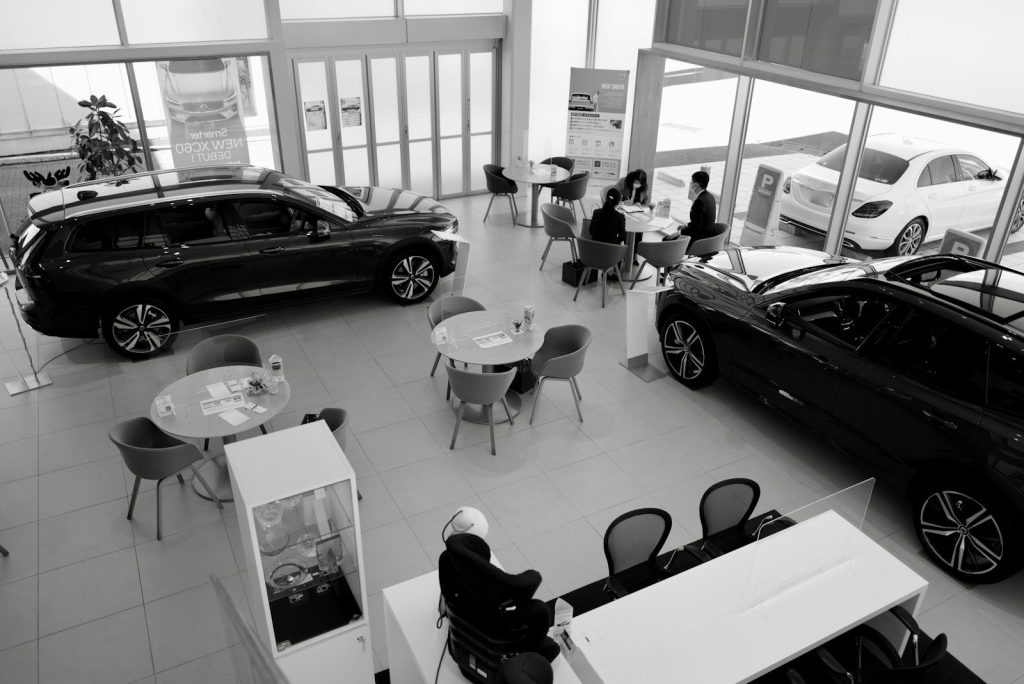
The process begins with a thorough inspection. Before any equipment is removed, the technician assesses both visible and hidden damage. This evaluation forms the basis for how the body shop calculates repair costs.
Shops typically use digital estimating software such as CCC ONE, Mitchell, or Audatex. These systems contain manufacturer repair procedures, labor times, and part pricing databases. The estimator enters your vehicle’s VIN, which pulls up factory specifications.
1. Visible vs. Hidden Damage
Visible damage includes dents, scratches, cracked bumpers, or broken headlights. Hidden damage may involve bent brackets, damaged sensors, or structural misalignment.
Hidden issues often appear after disassembly. That’s why initial estimates sometimes change. Supplements are common because deeper structural problems may only become apparent once panels are removed.
2. OEM Repair Procedures
Modern vehicles require strict adherence to manufacturer guidelines. Repair procedures may specify sectioning points, welding types, and corrosion protection steps.
Adhering to OEM standards ensures safety but also increases labor hours. This directly impacts how body shops calculate repair costs, especially on newer vehicles equipped with advanced materials.
Labor Costs: The Core of Your Estimate
Labor costs typically account for the largest portion of your repair bill. Understanding labor categories helps clarify how repair shops calculate repair costs in detail.
Shops divide labor into different classifications:
- Body labor (panel repair and replacement)
- Paint labor (surface preparation and refinishing)
- Frame or structural labor
- Mechanical labor
- Diagnostic labor
Each category has its own hourly rate. In many regions, body labor ranges from $60 to $120 per hour, depending on local market conditions.
How Labor Hours Are Determined
Estimating software assigns standard time allowances for specific repairs. For example, replacing a front bumper cover may carry 3.5 labor hours. Repairing a dented door might require 5.0 hours.
These time guides are based on industry research and manufacturer data. They ensure consistency across repair facilities and insurance claims.
This structured system is very important for workshops to calculate repair costs fairly and transparently.
Refinish and Paint Time Calculations
Paint labor includes sanding, masking, priming, color application, and clear coating. Additional time may be added for blending adjacent panels to ensure color match.
For example, if a fender is replaced, the shop may blend paint into the front door to avoid visible color differences. Blending adds labor hours and materials.
Parts Pricing: OEM, Aftermarket, and Recycled Components
Part selection significantly impacts your final bill. Understanding part categories is crucial when analyzing how body shops calculate repair costs.
There are three primary types of parts:
1. OEM (Original Equipment Manufacturer)
OEM parts come directly from the vehicle manufacturer. They match factory specifications and often carry higher prices.
For example, an OEM bumper for a mid-size sedan may cost $600 to $900. Luxury models can exceed $1,500.
2. Aftermarket Parts
Aftermarket parts are produced by third-party manufacturers. They typically cost 20–40% less than OEM components.
Insurance companies often recommend aftermarket parts to control claim costs. However, fit and finish can vary.
3. Recycled or Salvage Parts
Recycled parts come from dismantled vehicles. They are cost-effective and environmentally friendly.
For older vehicles, salvage parts may significantly reduce expenses. However, availability depends on local inventory.
The choice of spare parts directly affects how the repair shop calculates repair costs, especially if insurance is involved.
Materials and Paint Supplies
Beyond labor and parts, shops charge for paint materials and consumables. These include primers, clear coats, sanding discs, masking tape, seam sealers, and corrosion protection products.
Paint material fees are often calculated using a formula tied to labor hours. For example, a shop may charge $35 to $50 per refinish hour in materials.
Special finishes such as pearl, metallic, or tri-coat paint increase costs. Tri-coat systems require multiple layers, adding time and product usage.
Electric and hybrid vehicles may also require special procedures, which affect how repair shops calculate repair costs due to the additional safety measures.
Structural Repairs and Frame Straightening
If your vehicle’s structure is damaged, costs increase substantially. Frame repairs require specialized equipment such as computerized measuring systems and hydraulic pulling machines.
Structural labor rates may be higher than standard body labor due to equipment investment and liability risks.
A minor structural correction might add 6 to 10 hours. Severe frame damage can exceed 20 hours, depending on complexity.
These repairs play a major role in how body shops calculate repair costs for accidents involving high impacts.
Diagnostic and Calibration Charges
Modern vehicles contain Advanced Driver Assistance Systems (ADAS). These include lane departure warnings, blind-spot monitoring, and adaptive cruise control.
After certain repairs, sensors must be recalibrated. Calibration can cost $150 to $600 per system.
Diagnostic scanning before and after repairs has become standard practice. Many shops charge separate diagnostic labor to ensure no error codes remain.
As technology in vehicles becomes more sophisticated, these procedures increasingly shape the way body shops calculate repair costs.
Insurance Influence and Negotiation
Insurance companies analyze local “prevailing labor rates.” They may approve only certain parts types or labor charges.
When an insurer’s allowed rate differs from the shop’s posted rate, negotiations occur. In some cases, customers pay the difference.
Shops document every step using photos and repair procedures to justify costs. Clear documentation strengthens the estimate and ensures fairness.
Understanding insurance dynamics helps explain how repair shops calculate repair costs in claims-based repairs.
Why Estimates Change: Supplements Explained
Customers often feel surprised when final invoices exceed initial quotes. However, supplements are common in collision repair.
Once technicians disassemble damaged areas, hidden issues become visible. Additional parts, clips, brackets, or structural repairs may be required.
Supplements are submitted to insurance companies for approval. This step ensures accurate billing rather than guesswork.
Transparent communication reduces confusion and builds trust during the repair process.
Real-World Experience from the Shop Floor
Our team has spent time inside multiple collision facilities, observing how estimates evolve from inspection to final invoice.
We witnessed technicians carefully documenting damage, measuring frames with laser systems, and following strict OEM procedures.
In some cases, what appeared to be a simple bumper replacement revealed damaged shock absorbers and sensor brackets beneath the surface.
This discovery reinforces the notion that auto body shops calculate repair costs based on actual repair needs, not assumptions.
Seeing the process firsthand makes it clear that professional repair pricing reflects technical precision, not arbitrary numbers.
Additional Factors That Affect Your Bill
Beyond labor, parts, and paint, other elements may appear on your invoice:
- Shop supplies and hazardous waste disposal
- Towing fees
- Storage charges
- Wheel alignment
- Airbag replacement
- Rental car coordination
Even small items like clips and fasteners add up. Modern vehicles use dozens of one-time-use components that must be replaced during reassembly.
All these elements combine to complete the calculation of your repair total.
Transparency and Consumer Awareness
If you want clarity, ask for a line-by-line explanation. Reputable shops explain labor categories, parts selection, and repair steps.
You can also request OEM parts if safety is your top priority. Be aware that doing so may increase your out-of-pocket cost if insurance limits coverage.
Knowing how body shops calculate repair costs will empower you to evaluate cost estimates with confidence, instead of just focusing on the total figure.
The Role of Technology in Modern Cost Calculation
Technology continues to reshape collision repair pricing. Digital imaging, AI-assisted estimating tools, and manufacturer repair portals improve accuracy.
However, advanced systems also require subscription fees and equipment upgrades. These operational expenses are built into labor rates and material charges.
As vehicles evolve, pricing structures adapt accordingly. The calculation process becomes more detailed, not less.
Conclusion
Understanding How Auto Body Shops Calculate Repair Costs eliminates much of the mystery behind collision repair invoices. Every charge reflects labor time, parts pricing, materials, or necessary procedures required to restore your vehicle safely.
From initial inspection to final calibration, each step contributes to the final number. Labor hours come from standardized databases. Parts vary by type and availability. Paint materials and diagnostic scans add precision to the process.
Rather than viewing your bill as a single large figure, break it into components. When you see how each element fits together, the total becomes easier to understand.
Collision repair is both technical and highly regulated. Accurate pricing ensures that your vehicle returns to the road safely, meeting manufacturer standards and protecting long-term value.
You May Also Like: Auto Body Labor Rate Per Hour