A small crack or dent on your car bumper might not seem urgent. After all, the vehicle may still drive normally, and the damage may appear purely cosmetic. However, when you request a repair estimate, the price can range from a few hundred dollars to several thousand.
That difference often surprises car owners. The actual Bumper Repair Cost depends on several factors, including the severity of the damage, the vehicle model, replacement parts, paint requirements, and whether hidden components are affected.
Modern bumpers are more complex than simple plastic covers. Depending on the vehicle, the bumper assembly may include energy absorbers, reinforcement beams, mounting brackets, parking sensors, cameras, and advanced driver assistance system (ADAS) components.
Consequently, damage that looks minor from the outside may require additional inspection and repair work underneath.
This guide explains typical bumper repair prices in the United States, compares repair and replacement options, and explores the factors that can increase your final bill. You will also learn when plastic bumper repair is appropriate and when professional inspection is necessary to protect your vehicle’s safety systems.
What Factors Affect Bumper Repair Cost?
The price of repairing a damaged bumper is determined by more than the size of a scratch or crack.
A minor surface imperfection may require only cosmetic work, while a collision can damage several components behind the bumper cover.
The following factors have the greatest influence on repair expenses.
1. Severity of the Damage
The extent of the damage is usually the first consideration.
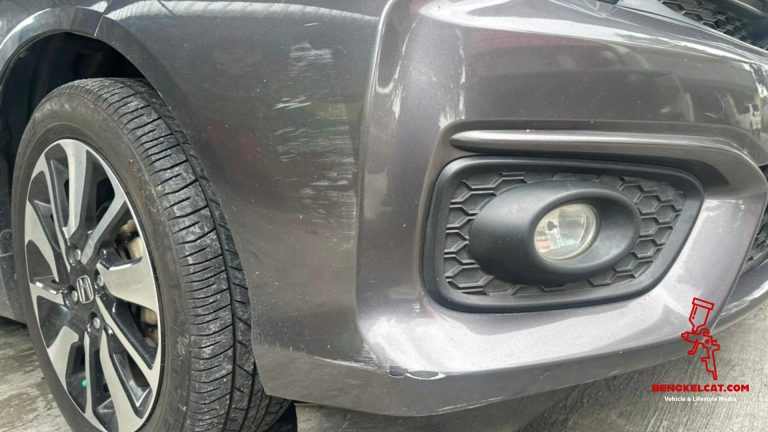
Light scratches and scuffs may be corrected through polishing or localized refinishing. Deeper scratches, cracks, and deformed plastic generally require more extensive work.
Damage involving broken mounting points, reinforcement components, or sensor brackets can increase labor and replacement costs.
2. Bumper Material and Construction
Most modern passenger vehicles use plastic bumper covers, although the materials and construction vary by manufacturer.
Common bumper cover materials include polypropylene (PP), thermoplastic olefin (TPO), and other engineered plastics.
These materials are relatively lightweight and can sometimes be repaired using specialized plastic repair techniques.
However, not every plastic bumper can be repaired successfully. The material, crack location, deformation, and manufacturer’s repair requirements must be considered before choosing a repair method.
3. Paint and Refinishing Requirements
A bumper repair often involves repainting because the damaged area may have scratches, exposed plastic, or visible repair marks.
The refinishing process generally includes surface preparation, suitable primer, basecoat, and clear coat.
Metallic, pearl, and multi-stage paint finishes may require additional labor and materials.
In some cases, paint blending into adjacent panels is necessary to achieve a consistent appearance.
4. Hidden Component Damage
A bumper cover is only one part of the complete bumper assembly.
Depending on the vehicle, components behind it may include:
- Energy absorbers
- Reinforcement beams
- Mounting brackets
- Parking sensor holders
- Wiring and electrical connectors
- Radar or camera mounting components
These parts may not be visible until the bumper cover is removed.
If they are damaged, the repair estimate may increase significantly.
5. Vehicle Make and Model
Replacement parts vary considerably in price.
Common vehicles often have more affordable replacement bumper covers, while luxury vehicles and newer models may require more expensive OEM components.
Some bumper covers also have integrated mounting points, sensor openings, special finishes, or model-specific design features that affect replacement costs.
6. Labor Rates and Repair Facility
Collision repair labor rates vary by location and facility.
The total labor expense may include bumper removal, disassembly, plastic repair, surface preparation, refinishing, reassembly, and system inspections.
Facilities equipped to work with modern vehicle electronics may also charge additional fees for diagnostic procedures or calibration when required.
Average Bumper Repair Cost by Damage Type
The following table provides illustrative planning estimates for the United States. These are broad examples rather than standardized industry prices or guaranteed repair quotes.
| Type of damage | Illustrative cost |
|---|---|
| Light scratches and scuffs | $150–$400 |
| Minor dents or plastic deformation | $200–$500 |
| Small bumper cracks | $300–$800 |
| Moderate damage with repainting | $500–$1,000 |
| Bumper cover replacement | $800–$1,500+ |
| Extensive collision damage | $1,500–$4,000+ |
Actual prices depend on the vehicle, repair location, parts availability, labor rates, and the components affected.
A vehicle with damaged sensors or reinforcement components may cost considerably more than one requiring only cosmetic bumper work.
Minor Bumper Damage
Minor damage generally includes surface scratches, light scuffs, and shallow dents.
If the plastic is not cracked and the damage has not affected mounting points, the repair may involve polishing, localized refinishing, or controlled reshaping.
Some thermoplastic bumper covers can also be reshaped using approved repair procedures.
These jobs are generally less expensive because they involve fewer replacement parts and less disassembly.
Moderate Bumper Damage
Moderate damage may include small cracks, deeper scratches, and noticeable plastic deformation.
Depending on the material and damage location, technicians may use plastic welding, approved repair adhesives, or other manufacturer-compatible repair methods.
The repair may also require sanding, surface preparation, primer, and repainting.
If the bumper cover has broken mounting tabs, additional repair or replacement of those components may be necessary.
Severe Bumper Damage
Severe damage usually involves extensive cracking, significant deformation, or impact-related damage to components behind the bumper cover.
A collision may affect the reinforcement beam, energy absorber, mounting brackets, or nearby vehicle structures.
In these situations, replacing the bumper cover alone may not be sufficient.
The repair facility should inspect the surrounding components and follow the vehicle manufacturer’s collision repair procedures before preparing the final estimate.
Can a Cracked Plastic Bumper Be Repaired?
Yes. Some cracked plastic bumpers can be repaired, but the result depends on the type of plastic, crack location, and extent of the damage.
Plastic welding is one commonly used repair method for compatible thermoplastic materials.
The process involves preparing the damaged area and joining the plastic using a suitable compatible material and controlled heat.
Depending on the repair system, additional reinforcement or approved adhesive products may also be used.
When Plastic Bumper Repair May Be Appropriate
Repair may be possible when:
- The crack is relatively small.
- The surrounding plastic remains in good condition.
- The damage does not affect critical mounting points.
- The bumper material is suitable for the selected repair method.
- The manufacturer’s procedures permit the repair.
After the damaged area is restored, technicians may need to sand, prime, and repaint the surface.
When Bumper Replacement Is Better
Replacement may be recommended when:
- The bumper cover is extensively shattered.
- Large sections of plastic are missing.
- Multiple mounting points are broken.
- The material cannot be repaired reliably.
- The damage affects sensor mounting or other critical components.
- Manufacturer repair restrictions prohibit the proposed repair.
A repair that looks acceptable from the outside is not necessarily suitable if it compromises the bumper assembly’s fit or required performance.
For that reason, the decision should be based on a proper inspection rather than appearance alone.
What Is Behind a Modern Car Bumper?
Understanding the components behind the bumper cover helps explain why repair estimates can increase after disassembly.
Modern bumper systems vary by vehicle, but several components are commonly found in the assembly.
1. Bumper Cover
The bumper cover is the visible exterior panel.
It provides the vehicle’s exterior styling and helps cover the components underneath.
Most minor cosmetic scratches and some cracks involve this component.
However, the bumper cover should not be confused with the entire impact protection system.
2. Energy Absorber
An energy absorber is commonly positioned between the bumper cover and reinforcement beam.
Depending on the vehicle design, it helps manage impact energy during certain collisions.
Damage to this component may not be visible until the bumper cover is removed.
3. Reinforcement Beam
The reinforcement beam is generally located behind the energy absorber.
It is designed to contribute to the bumper system’s impact management.
If it is bent, cracked, or otherwise damaged, the repair facility must evaluate it according to manufacturer specifications.
Replacement may be required when the component is outside its permitted repair limits.
4. Mounting Brackets and Supports
Brackets and mounting supports hold the bumper cover in its correct position.
Broken tabs or damaged brackets can cause uneven panel gaps, loose bumper edges, and poor alignment.
These components may need to be repaired or replaced separately from the bumper cover.
5. Sensors and Electronic Components
Depending on the vehicle, the bumper assembly may contain parking sensors, radar modules, wiring, and other electronic components.
A collision can damage the sensor itself, its mounting bracket, electrical connections, or the surrounding structure.
These components require appropriate inspection before the vehicle is returned to service.
Do Modern Bumper Repairs Require ADAS Calibration?
Not every bumper repair requires ADAS calibration.
However, certain repairs involving radar sensors, cameras, or other driver assistance components may require diagnostic checks or calibration.
Advanced Driver Assistance Systems can include:
- Blind-spot monitoring
- Rear cross-traffic alert
- Parking assistance
- Adaptive cruise control
- Automatic emergency braking
The exact sensor locations and calibration requirements vary by vehicle.
For example, some radar sensors are installed behind bumper covers, while cameras may be positioned elsewhere on the vehicle.
Calibration may be required when a relevant sensor is replaced, removed, repositioned, or affected by collision repairs, depending on manufacturer procedures.
Why Calibration Matters
ADAS components rely on accurate positioning and system communication.
If a sensor is misaligned, the system may provide incorrect readings or fail to operate as intended.
Depending on the vehicle, calibration may involve specialized diagnostic equipment, target boards, controlled workshop conditions, or a road test.
Not every bumper replacement automatically requires the same calibration procedure.
The repair facility should consult the manufacturer’s service information to determine which diagnostic and calibration steps are necessary.
Repair vs Replacement: Which Is More Cost-Effective?
Choosing between repairing and replacing a bumper depends on the damage and the condition of the components underneath.
The cheapest initial option is not always the most appropriate long-term solution.
When Repair Makes Sense
Repair may be suitable when:
- Damage is limited to scratches or small cracks.
- The bumper material is repairable.
- Mounting points remain secure.
- Reinforcement and energy absorption components are undamaged.
- The repair follows manufacturer requirements.
A localized repair may preserve the original bumper cover and reduce replacement part expenses.
When Replacement Is Necessary
Replacement may be the better choice when:
- The bumper cover is extensively cracked or shattered.
- Large sections of material are missing.
- Critical mounting points cannot be restored properly.
- The reinforcement beam or other components require replacement.
- Manufacturer procedures do not permit the proposed repair.
Replacement also requires proper installation and alignment.
Technicians should inspect mounting points, sensor brackets, electrical connections, and surrounding components before completing the job.
For a more detailed cost comparison, read our guide: Bumper Replacement Cost.
What Is Included in a Bumper Repair Estimate?
A detailed repair estimate should explain the work required rather than provide only one total price.
Depending on the damage, the estimate may contain several categories.
Parts and Replacement Components
This may include:
- Replacement bumper cover
- Mounting brackets
- Energy absorber
- Reinforcement beam
- Sensor brackets
- Clips and fasteners
Not every repair requires all these components.
Labor and Disassembly
Labor may cover bumper removal, inspection, repair, installation, and alignment.
Additional time may be necessary when nearby components must be removed to access the damaged area.
Paint and Refinishing
Refinishing costs may include surface preparation, primer, basecoat, clear coat, and paint blending.
The type of paint and the condition of the damaged surface influence the final amount.
Diagnostic and Calibration Services
If collision damage affects relevant electronic systems, the repair estimate may include diagnostic scans, sensor inspection, or required calibration.
These procedures should be based on the vehicle manufacturer’s requirements.
Requesting an itemized estimate makes it easier to understand the work being performed and compare repair facilities.
Regional Labor Rates and Market Factors
Geographic location can significantly influence bumper repair prices in the United States.
Repair facilities in large metropolitan areas may have higher labor rates because of operating expenses, local demand, and technician availability.
Smaller markets may have different labor costs, but access to specialized equipment and replacement parts can also affect the final price.
Other regional factors include:
Parts availability: Some OEM bumper covers and electronic components may require special orders.
Transportation costs: Shipping large body panels can increase replacement expenses.
Repair facility capabilities: Shops with specialized diagnostic equipment and trained technicians may charge differently from facilities offering only basic cosmetic repairs.
For an accurate estimate, compare written quotes from qualified collision repair facilities in your area.
Does Insurance Cover Bumper Damage?
Insurance may help cover bumper repairs, depending on how the damage occurred and the terms of your policy.
Two common types of coverage are relevant.
Collision coverage: This may apply when your vehicle’s bumper is damaged in an accident involving another vehicle or object, subject to policy conditions and the deductible.
Comprehensive coverage: This may apply to certain non-collision events, such as falling objects, vandalism, or weather-related damage.
Coverage varies by insurer and policy.
For example:
- Estimated bumper repair: $1,500
- Insurance deductible: $1,000
- Potential covered amount: $500
This simplified example assumes the claim is approved and the damage is covered.
If the repair estimate is close to your deductible, paying out of pocket may be worth considering.
Before filing a claim, review your policy and ask your insurer about any possible effect on future premiums.
You can also read our related guide: Does Insurance Cover Body Repair?.
How to Reduce Your Bumper Repair Expenses
Although not every repair expense can be avoided, several practical steps can help control costs.
1. Request a Detailed Written Estimate
Ask the repair facility to separate parts, labor, paint materials, and additional services.
This makes it easier to identify what is contributing most to the final price.
2. Compare Repair and Replacement Options
Ask whether the existing bumper cover can be repaired safely.
For compatible plastic materials and suitable damage, repair may be more economical than replacement.
However, do not choose a repair method that conflicts with manufacturer requirements.
3. Consider Appropriate Replacement Parts
OEM, aftermarket, and recycled components may have different prices.
Before selecting an alternative, confirm that the part is compatible with your vehicle and supports the required sensor openings, mounting points, and other features.
For some vehicles, part quality and fitment can be especially important.
4. Check Your Insurance Deductible
Compare the estimated repair amount with your deductible before deciding whether to file a claim.
Consider the policy terms and possible long-term insurance implications.
5. Choose a Qualified Repair Facility
Look for a repair shop that understands plastic repair, vehicle-specific bumper construction, and modern sensor systems.
A properly performed repair can help avoid fitment problems, paint defects, and unnecessary repeat work.
Does Bumper Damage Affect Vehicle Safety?
Not every bumper scratch or small crack creates a safety problem.
However, collision damage can affect components that contribute to the vehicle’s impact protection and electronic assistance systems.
Warning signs that require professional inspection include:
- The bumper is hanging loose.
- Large cracks or missing sections are visible.
- The bumper no longer aligns with surrounding panels.
- Parking sensors stop working.
- Warning lights appear after an impact.
- The reinforcement area may have been affected.
- Electrical connectors or sensor brackets are damaged.
A damaged bumper cover should not automatically be assumed to indicate structural damage. Likewise, an undamaged exterior appearance does not guarantee that hidden components are unaffected.
If a collision has caused significant deformation, have the vehicle inspected before relying on its original safety systems.
Long-Term Impact on Vehicle Value
A properly repaired bumper helps maintain the vehicle’s appearance and overall condition.
Visible cracks, poor paint matching, loose mounting points, and uneven panel gaps can reduce buyer confidence when selling a vehicle.
Poorly performed repairs may also create problems with sensor positioning or electronic system operation.
For vehicles equipped with parking assistance or ADAS features, confirming that affected systems function correctly after repairs is particularly important.
Keeping repair documentation and invoices can also help demonstrate that previous damage was addressed appropriately.
Conclusion: Understanding Bumper Repair Cost
The Bumper Repair Cost depends on damage severity, bumper construction, replacement parts, labor, paint requirements, and the condition of hidden components.
Minor scratches and scuffs may cost a few hundred dollars to repair, while extensive collision damage involving replacement parts and electronic systems can exceed several thousand.
Plastic bumper covers can sometimes be repaired using specialized methods such as plastic welding, but not every crack or deformation is suitable for repair.
Modern vehicles also require additional attention to parking sensors, radar components, and ADAS calibration when relevant.
Before approving any repair, request a detailed estimate, compare repair and replacement options, and confirm that the proposed work follows manufacturer recommendations.
Understanding these factors helps you evaluate repair costs more confidently while protecting your vehicle’s appearance, functionality, and safety.
Related reading: