
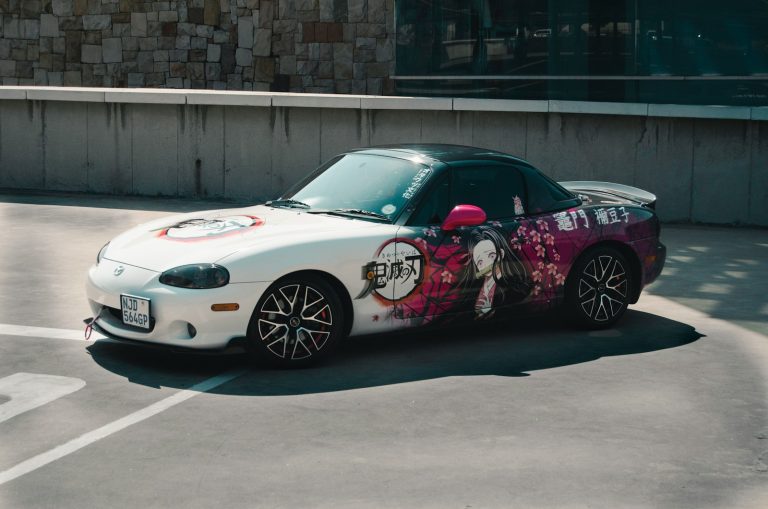
Cars are no longer viewed purely as transportation tools. For many people, a vehicle represents personality, lifestyle, and personal taste.
This is why Ways Car Owners Change Their Vehicle’s Appearance has become a growing topic across automotive communities worldwide.
From subtle cosmetic upgrades to bold visual transformations, appearance-focused modifications allow owners to stand out, refresh an aging car, or align a vehicle with a specific image.
These changes are not always about luxury or performance; often, they are about identity and enjoyment.
Understanding how car owners change the appearance of their vehicles helps explain why the aftermarket automotive industry continues to grow and why visual customization remains one of the most popular entry points for car modification.
Paint Color Changes and Exterior Refinishing
One of the most noticeable transformations involves changing the color or finish of a vehicle.
Paint color influences first impressions more than almost any other visual element, making it the cornerstone of many ways car owners customize the appearance of their vehicles.
A full repaint can dramatically alter how a car looks and feels. Whether restoring faded paint or choosing a completely new shade, this modification often refreshes the entire vehicle.
Full Repaint vs. Partial Refinishing
A complete repaint typically costs between $2,000 and $6,000 depending on paint quality and labor.
High-end finishes can exceed that range. Partial refinishing, such as repainting bumpers or panels, is more affordable and often used to correct visual wear.
Modern options include matte, satin, and metallic finishes, allowing owners to move beyond traditional glossy paint.
Color Trends and Practical Considerations
Neutral tones remain popular for resale value, while bold colors express individuality.
However, darker colors show scratches more easily, while lighter shades hide dust and swirl marks better.
You May Also Like: What Is Car Paint Materials: Benefits and How It Works
Vinyl Wraps and Decals for Visual Flexibility
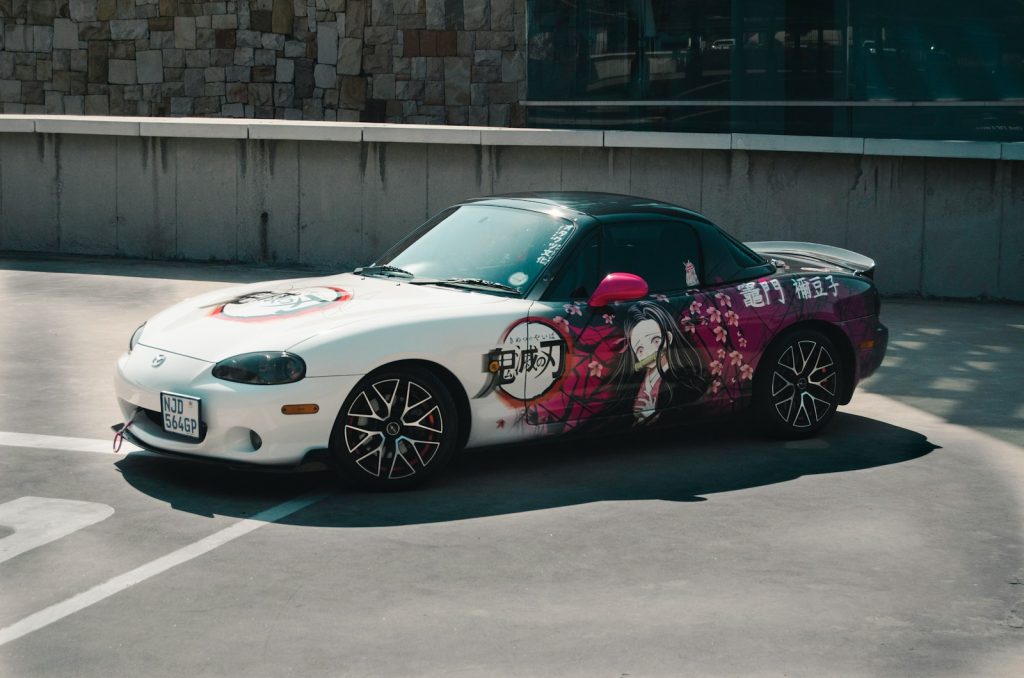
Vinyl wraps have become a practical alternative to traditional paint.
They play a major role in Ways Car Owners Change Their Vehicle’s Appearance because they offer flexibility and reversibility.
Wraps allow owners to experiment with colors, textures, and graphics without permanently altering the factory paint.
Benefits of Vehicle Wrapping
Vinyl wraps protect original paint from UV exposure and minor scratches.
A full wrap car typically lasts 5 to 7 years with proper care and costs less than a high-quality repaint.
Popular finishes include gloss, matte, carbon fiber textures, and color-shifting films that change appearance depending on lighting.
Decals and Graphic Accents
Decals, stripes, and custom graphics add character without covering the entire vehicle.
These options are affordable and easy to remove, making them attractive for temporary personalization.
Wheels, Tires, and Stance Adjustments
Changing wheels and tires significantly alters a vehicle’s profile.
This category is very important in How Car Owners Change the Look of Their Vehicles because it balances visual impact with functional considerations.
Larger wheels with low-profile tires create a sportier look, while classic designs suit vintage or luxury vehicles.
Wheel Design and Size Choices
Wheel sizes typically range from 16 to 22 inches, depending on the vehicle
Larger wheels enhance aesthetics but may reduce ride comfort.
Smaller wheels offer better cushioning but a less aggressive look.
Finishes such as gloss black, machined silver, or bronze contribute to the overall theme of the car.
Lowering and Suspension Aesthetics
Lowering springs or coilover systems adjust ride height. A lowered stance improves visual balance and reduces wheel gap, but improper setup can compromise ride quality and alignment.
Lighting Modifications and Visual Accents
Lighting changes add both style and presence. Headlights and taillights define a vehicle’s face, making them an important part of Ways Car Owners Change Their Vehicle’s Appearance.
Modern LED and projector lighting options provide cleaner illumination and a contemporary look.
Headlight and Taillight Customization
Upgraded headlights improve brightness and color temperature, often shifting from yellowish halogen to crisp white LEDs.
Tinted or smoked taillights create a sportier rear appearance when done responsibly.
Accent and Ambient Lighting
Underglow lighting and interior ambient LEDs allow personalization without altering structural components.
These additions are popular among enthusiasts who want visual flair without permanent modifications.
Exterior Accessories and Body Enhancements
Body accessories enhance or emphasize a vehicle’s shape.
These accessories are often included in discussions about How Car Owners Change the Appearance of Their Vehicles because they affect how aggressive or elegant a car looks.
Spoilers, diffusers, and side skirts are among the most common additions.
Aerodynamic Styling vs. Visual Impact
While some accessories offer aerodynamic benefits, many are installed purely for appearance.
Even subtle changes, such as mirror caps or trim accents, can shift the overall design language of a vehicle.
Practical Accessories
Roof racks, window visors, and trim pieces also contribute to appearance while serving functional roles.
These additions blend style with utility, especially for outdoor-oriented vehicles.
Interior Styling That Complements Exterior Changes
Although not always visible from the outside, interior styling completes the visual story.
Many owners extend Ways Car Owners Change Their Vehicle’s Appearance into the cabin for a cohesive look.
Seat covers, steering wheel wraps, and dashboard trims personalize the driving environment.
Upholstery and Material Choices
Leather, Alcantara, and synthetic materials enhance comfort and perceived quality.
Interior upgrades typically range from a few hundred dollars to several thousand for full reupholstery.
Color Coordination and Themes
Matching interior colors with exterior paint or accents creates harmony.
Simple additions like floor mats and accent stitching can refresh the interior without major expense.
Real-World Perspective from Industry Experience
Our team has spent years covering car shows, aftermarket exhibitions, and professional customization workshops.
Through this presentation, How Car Owners Change the Appearance of Their Vehicles becomes more than just a trend; it reflects evolving tastes and practical decisions.
We have observed that owners who plan visual changes with balance in mind tend to enjoy their vehicles longer.
Thoughtful modifications often enhance pride of ownership while maintaining usability and value.
Cost, Resale, and Long-Term Considerations
Visual modifications vary widely in cost and impact resale value.
Some upgrades, like quality wheels or professional wraps, attract buyers, while extreme customization may limit appeal.
Owners exploring Ways Car Owners Change Their Vehicle’s Appearance should consider whether changes are reversible and how they align with future plans.
Conclusion
Personalizing a car is a creative process rooted in expression and practicality.
The ways car owners change the appearance of their vehicles vary.
From simple cosmetic changes to total visual transformations, each reflecting individual priorities and tastes.
Paint, wraps, wheels, lighting, and accessories all play distinct roles in shaping how a vehicle is perceived.
When approached thoughtfully, appearance modifications enhance enjoyment without sacrificing functionality.
Ultimately, Ways Car Owners Change Their Vehicle’s Appearance reveal how deeply connected people are to their cars.
Turning everyday transportation into something uniquely personal.
You May Also Like: How Much to Wrap a Car