
The automotive industry is evolving faster than ever, driven by advancements in digital systems, hybrid technology, and electric vehicles. As vehicles become more sophisticated, the demand for skilled technicians continues to rise. Enrolling in an Automotive Technician Course is one of the most effective ways to gain the knowledge and practical skills required to succeed in this field.
A well-structured Automotive Technician Course does more than teach basic repairs. It equips learners with a deep understanding of how modern vehicles operate, how to diagnose problems accurately, and how to apply efficient repair techniques. Whether you are a beginner or someone looking to upgrade your skills, this type of training provides a solid foundation for a long-term career.
In this article, we will explore what is typically studied in such a course, from fundamental concepts to advanced technical skills that align with industry needs.
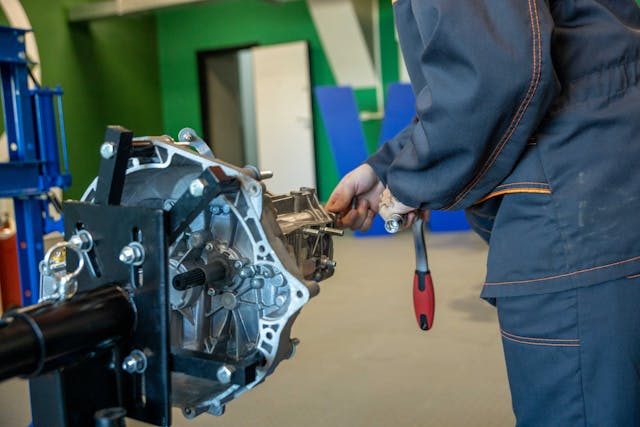
Core Fundamentals Covered in Automotive Technician Course
Every professional training program begins with foundational knowledge. These basics are essential because they support all advanced learning that follows.
1. Introduction to Vehicle Systems
Students start by learning the main components of a vehicle, including the engine, transmission, braking system, and suspension. Understanding how these systems interact is critical for diagnosing issues effectively.
This stage also introduces common terminology used in workshops, helping students communicate clearly in real-world environments.
2. Engine Operation Basics
The internal combustion engine is at the heart of most vehicles. Students study the four-stroke cycle, fuel delivery systems, and ignition processes.
They also learn basic maintenance tasks such as oil changes, filter replacements, and engine inspections. These skills form the backbone of any Automotive Technician Course and are frequently used in daily work.
3. Workshop Safety and Tools
Safety is a top priority in any automotive environment. Students are trained in proper handling of tools, lifting equipment, and hazardous materials.
They also become familiar with essential tools such as torque wrenches, diagnostic scanners, and multimeters. Mastering these tools ensures both safety and efficiency.
Advanced Technical Skills and Specializations
Once students understand the basics, the course moves into more advanced topics. These areas are designed to reflect current industry trends and technological advancements.
1. Electrical and Electronic Systems
Modern vehicles rely heavily on electronics. This module covers wiring systems, sensors, control modules, and onboard diagnostics.
Students learn how to read wiring diagrams and use diagnostic tools to identify faults. This knowledge is crucial in today’s Automotive Technician Course programs, especially with the rise of smart vehicles.
2. Engine Diagnostics and Performance
This section focuses on identifying and resolving engine-related issues. Students use diagnostic equipment to analyze engine performance data.
They also learn about fuel efficiency, emissions control, and advanced troubleshooting techniques. These skills are highly valued in professional workshops.
3. Transmission Systems
Transmission training includes both manual and automatic systems. Students learn how power is transferred from the engine to the wheels.
They also study common transmission problems and repair methods. This specialization is often included in a comprehensive Automotive Technician Course to prepare students for real-world scenarios.
4. Brake and Suspension Systems
Brake systems are critical for safety, while suspension systems ensure comfort and stability. Students learn how to inspect, repair, and replace components such as brake pads, shock absorbers, and control arms.
Hands-on practice is a key part of this module, allowing students to build confidence in their skills.
Practical Training and Hands-On Experience
Theory alone is not enough in the automotive field. Practical experience is a major component of any effective training program.
Workshop Simulations
Students work in simulated workshop environments where they practice real repair tasks. These simulations mirror actual job conditions, helping students adapt quickly to professional settings.
Real Vehicle Diagnostics
Many programs provide access to real vehicles for diagnostic training. Students learn how to identify issues using professional tools and techniques.
This hands-on approach ensures that graduates of an Automotive Technician Course are job-ready.
Internship Opportunities
Some courses include internships or industry placements. These experiences allow students to work alongside experienced technicians and gain valuable insights.
Internships also help build professional networks, which can be beneficial for future employment.
Key Skills Developed During the Course
Throughout the training, students develop a combination of technical and soft skills that are essential in the automotive industry.
Here are some of the most important skills gained:
- Problem-solving and analytical thinking
- Attention to detail in diagnostics and repairs
- Technical proficiency with modern tools and equipment
- Time management in handling multiple repair tasks
- Communication skills for interacting with customers and team members
These skills are what make a graduate of an Automotive Technician Course stand out in the job market.
Duration and Cost of the Course
The duration of an automotive training program can vary depending on its depth and level.
Short-term courses typically last between 3 to 6 months and focus on basic skills. More comprehensive programs can take 1 to 2 years and include advanced modules and automotive technician certifications.
In terms of cost, fees generally range from $300 to $3,000. The variation depends on the institution, facilities, and whether the program includes hands-on training or industry placements.
Investing in an Automotive Technician Course often pays off in the long run through better job opportunities and higher earning potential.
Industry Perspective Based on Real Experience
From direct observations while working with automotive training centers and service workshops, one clear pattern stands out: students who undergo structured training adapt faster to real job environments. In several cases, workshop managers reported that trained technicians required less supervision and completed tasks more efficiently.
This firsthand exposure shows that a well-designed Automotive Technician Course not only builds technical knowledge but also instills discipline and problem-solving habits. These qualities are essential for handling modern vehicle systems that require precision and accuracy.
Future Trends in Automotive Training
The automotive industry is undergoing a major transformation with the rise of electric vehicles (EVs), hybrid systems, and autonomous technology.
As a result, training programs are evolving to include topics such as battery management systems, electric drivetrains, and advanced software diagnostics.
Online learning is also becoming more common, allowing students to access theoretical modules remotely while completing practical training in workshops.
Choosing an Automotive Technician Course that includes future-focused modules can provide a significant advantage in the job market.
Conclusion
An automotive training program offers a comprehensive pathway into one of the most dynamic industries in the world. From basic vehicle systems to advanced diagnostics, the curriculum is designed to prepare students for real-world challenges.
By enrolling in an Automotive Technician Course, learners gain not only technical expertise but also practical experience that enhances their employability. The combination of hands-on training, industry-relevant skills, and structured learning makes this course a valuable investment.
As technology continues to reshape the automotive landscape, continuous learning will become increasingly important. Those who commit to developing their skills through proper training will be better positioned to succeed and grow in this evolving field.