
If you own a vehicle long enough, chances are you will eventually deal with dents, scratches, or collision damage. From a minor parking lot scrape to more serious accident repairs, understanding What Is Auto Body Repair can help you make smarter decisions, avoid unnecessary costs, and maintain your car’s value over time. Many drivers confuse body repair with mechanical work, even though the two serve very different purposes.
This guide is written for beginners who want a clear, practical explanation without technical overload. You will learn how auto body repair works, what problems it addresses, and what to expect when your car enters a repair shop. By the end, you will have the confidence to speak with technicians, review estimates, and choose the right repair approach for your situation.
Understanding the Basics of Auto Body Repair
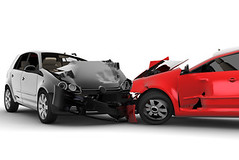
Auto body repair focuses on restoring the exterior structure and appearance of a vehicle after damage. This damage may come from collisions, weather exposure, vandalism, or everyday wear and tear. While mechanical repair keeps a car running, body repair ensures it looks right and remains structurally sound.
At its core, What Is Auto Body Repair comes down to repairing or replacing damaged body panels, correcting frame alignment, and refinishing surfaces to match the original factory look. Modern vehicles are built with a combination of steel, aluminum, and composite materials, all of which require specific repair techniques.
Auto body repair typically includes tasks such as panel straightening, dent removal, welding, sanding, painting, and clear-coat application. Each step plays a role in ensuring the vehicle not only looks good but also performs safely in future driving conditions.
Auto Body Repair vs. Mechanical Repair
Many first-time car owners assume that all car repairs fall under one category. In reality, body repair and mechanical repair are handled by different specialists.
Mechanical repair focuses on engines, transmissions, brakes, and suspension systems. Auto body repair, on the other hand, deals with the vehicle’s shell and cosmetic integrity. After an accident, both types of repair are often needed, but they are performed separately and billed differently.
Understanding this distinction can prevent confusion when reading repair estimates or insurance reports.
Why Auto Body Repair Is Important for Vehicle Safety
A damaged vehicle exterior is not just a cosmetic issue. Even small dents or misaligned panels can hide deeper structural problems. This is one of the main reasons What Is Auto Body Repair matters far beyond appearance.
Modern cars are designed with crumple zones that absorb impact during a collision. If these areas are damaged and not properly repaired, the car may not protect passengers as intended in a future accident. Proper body repair restores these safety features to their original specifications.
In addition, misaligned panels or frames can affect wheel alignment, steering response, and tire wear. Over time, this can lead to higher maintenance costs and reduced driving stability.
Impact on Resale Value
Another major reason to address body damage promptly is resale value. A vehicle with visible dents, mismatched paint, or poor repair work can lose 10–30% of its market value, depending on severity. Buyers and dealerships often use visual condition as a first indicator of how well a car has been maintained.
Professional auto body repair helps preserve the car’s appearance and signals proper care, which can make a significant difference when it is time to sell or trade in.
Common Types of Auto Body Repair Services
There is no single solution for all body damage. Shops offer a wide range of services depending on the extent and location of the issue. When people ask What Is Auto Body Repair, they are often referring to one or more of the following services.
- Dent and scratch removal
- Panel replacement or repair
- Frame straightening
- Paint refinishing and color matching
- Glass and windshield replacement
Each service addresses a specific type of damage and requires different tools and expertise.
Dent Repair and Paintless Dent Removal
Small dents caused by hail or minor impacts can often be fixed without repainting. Paintless Dent Removal (PDR) uses specialized tools to gently reshape the metal from behind the panel. This method is faster and more affordable than traditional repairs, with typical costs ranging from $75 to $300 per dent.
Collision Repair and Panel Replacement
After a moderate or severe accident, damaged panels may need to be repaired or replaced entirely. Technicians assess whether the metal can be reshaped safely or if replacement is the better option. This process often involves welding, grinding, and refinishing.
Frame and Structural Repairs
Frame damage is one of the most serious forms of body damage. Using computerized measuring systems, technicians realign the frame to manufacturer specifications. Proper frame repair is critical for vehicle safety and handling.
The Auto Body Repair Process Step by Step
For beginners, the repair process can feel overwhelming. Understanding each stage helps clarify What Is Auto Body Repair in practical terms and sets realistic expectations.
The process usually begins with an inspection. Technicians examine visible damage and look for hidden issues beneath panels or trim. Once the assessment is complete, the shop provides a detailed estimate outlining labor, parts, and materials.
Next comes disassembly, where damaged components are removed to access affected areas. Repairs or replacements are then performed, followed by surface preparation for painting. The final steps include paint application, clear coating, curing, and reassembly.
Quality Control and Final Inspection
Before returning the vehicle, reputable shops conduct a quality control check. This includes verifying panel alignment, paint consistency, and overall finish. Some shops also perform test drives to ensure there are no unusual noises or handling issues.
The entire process can take anywhere from a single day for minor repairs to several weeks for major collision damage.
Costs, Timeframes, and What Affects Them
One of the most common questions drivers have relates to pricing. Understanding What Is Auto Body Repair also means understanding what influences cost.
Minor cosmetic repairs may body repair cost as little as $150–$500. More extensive collision repairs can range from $2,000 to $10,000 or more, depending on the vehicle and damage severity. Luxury or electric vehicles often cost more due to specialized materials and technology.
Timeframes vary as well. Simple dent removal may be completed in a few hours, while full collision repairs can take two to four weeks. Parts availability, insurance approvals, and shop workload all play a role.
Insurance and Auto Body Repair
Insurance often covers body repair after accidents, but coverage depends on your policy. Comprehensive and collision coverage typically handle these costs, minus the deductible. It is important to review estimates carefully and understand what the insurer approves versus what the shop recommends.
Does Auto Body Repair Include Car Painting and Spray Booth Work?
One common question among vehicle owners is whether body restoration services also cover car painting. In most professional workshops, repainting is an integral part of the overall repair process, especially when damage affects the vehicle’s exterior finish.
Car painting is necessary when panels are scratched, cracked, faded, or repaired using filler materials. Without proper repainting, repaired areas would remain vulnerable to corrosion and appear visually inconsistent with the rest of the vehicle.
The Role of Spray Booths in Professional Painting
High-quality paint results depend heavily on the environment in which the work is performed. This is why reputable repair facilities rely on enclosed spray booths rather than open workshop spaces.
A spray booth is a controlled environment designed to regulate airflow, temperature, and humidity. These conditions minimize dust contamination, ensure even paint application, and support proper curing. Modern booths also include advanced filtration systems that protect both technicians and the final finish.
Why Spray Booth Painting Delivers Better Results
Painting inside a dedicated booth allows technicians to achieve factory-level consistency. Even slight variations in temperature or airborne particles can affect paint texture and gloss. With controlled conditions, color blending becomes more accurate, especially when repainting a single panel next to original factory paint.
Additionally, spray booth curing can reduce drying time from several days to just a few hours, depending on the paint system used. This improves efficiency while maintaining durability and finish quality.
Paint Is More Than Just Appearance
Beyond aesthetics, automotive paint serves as a protective layer. It shields metal surfaces from moisture, UV exposure, and environmental contaminants. Proper application ensures long-term resistance against rust and premature fading.
For this reason, repainting should never be treated as an optional add-on. When performed correctly in a controlled spray booth environment, it completes the restoration process and preserves the vehicle’s condition for years to come.
Price Range and Types of Damage That Cannot Be Repaired
Cost is often the first concern after a vehicle is damaged. While prices vary by location and vehicle model, repair expenses generally reflect the severity of the damage and the complexity of the work required.
Estimated Repair Costs Based on Damage Level
For light cosmetic issues such as small dents or surface scratches, repair costs are usually the most affordable. These repairs may range from USD 100 to USD 500 per panel, especially if no repainting is required.
Moderate damage involving cracked paint, deeper dents, or bumper deformation typically costs between USD 600 and USD 1,500. This level of work often includes panel reshaping, surface preparation, and repainting.
Severe collision damage can exceed USD 3,000 or more. This includes structural correction, multiple panel replacements, repainting, and recalibration of safety systems. Luxury vehicles or those using aluminum body panels often fall on the higher end of this range.
Damage That Is Considered Not Economically Repairable
Not all vehicles are worth repairing, even if restoration is technically possible. In some cases, the cost of repairs exceeds the vehicle’s market value. This situation is commonly referred to as a total loss by insurance providers.
Examples of damage that may be deemed non-repairable include extensive frame distortion, severe flood damage, and widespread fire exposure. These conditions compromise structural integrity, electrical systems, and long-term safety.
Safety Limits of Vehicle Restoration
There are also safety boundaries that responsible repair facilities will not cross. If a vehicle’s core structure cannot be returned to manufacturer specifications, repairing it may put occupants at risk in future accidents.
Reputable shops prioritize safety over appearance. When damage reaches a point where reliability cannot be guaranteed, recommending replacement rather than repair is considered best practice.
Understanding both the financial and safety limits of vehicle restoration helps owners make informed decisions. In some situations, walking away from a damaged vehicle is the most practical and responsible option.
Choosing the Right Auto Body Repair Shop
Not all repair shops offer the same level of quality. Knowing What Is Auto Body Repair helps you evaluate your options more confidently.
Look for shops with certified technicians, modern equipment, and strong customer reviews. Certifications from organizations or vehicle manufacturers indicate that the shop meets industry standards. Warranties on workmanship are also a positive sign.
It is wise to request multiple estimates and compare not just price, but also the scope of work. A lower estimate may exclude important steps that affect long-term durability.
Questions to Ask Before Approving Repairs
Before authorizing repairs, ask about repair methods, parts quality, and timelines. Clear communication upfront reduces misunderstandings and ensures you get the results you expect.
Experience from the Field: A Professional Perspective
Having spent years observing and covering repair operations, our team has seen firsthand how misunderstood What Is Auto Body Repair can be among everyday drivers.
We have walked through repair bays, reviewed post-collision inspections, and spoken directly with technicians who handle everything from minor dents to severe structural damage.
One consistent lesson stands out: quality body repair is as much about safety and precision as it is about appearance. Vehicles that receive thorough, professional repairs consistently perform better over time and retain higher value than those fixed with shortcuts.
This real-world exposure reinforces why informed decisions matter when choosing repair services.
Conclusion
Auto body repair plays a critical role in maintaining both the safety and appearance of your vehicle. From minor cosmetic fixes to complex structural restoration, understanding What Is Auto Body Repair empowers you to make informed choices and avoid unnecessary risks.
By learning the basics, recognizing common services, and knowing what affects cost and quality, you are better prepared to handle unexpected damage. Whether you are dealing with a small dent or major collision repairs, the right approach ensures your car remains reliable, safe, and visually appealing for years to come.