In the world of automotive painting, woodworking, and industrial finishing, choosing the right spray gun can make a significant difference in both efficiency and final results. Whether you’re applying a clear coat on a car, painting furniture, or handling large-scale industrial coatings, each spray gun type offers unique characteristics that affect transfer efficiency, finish quality, and material usage.
Understanding Spray Guns is essential for professionals and hobbyists alike who want consistent results, reduced waste, and optimal performance. With multiple technologies available—HVLP, LVMP, LVLP, and conventional spray guns—it can be challenging to decide which one suits your needs.
This article will guide you through how each type works, their advantages and disadvantages, and when to use them. By the end, you’ll have a clear perspective on selecting the right spray system for your specific application.
How Spray Guns Work: Basic Principles and Components
Before comparing different spray gun types, it’s important to understand the fundamental working mechanism behind them. All spray guns operate on a similar principle: they atomize liquid paint into fine droplets and project it onto a surface using air pressure.
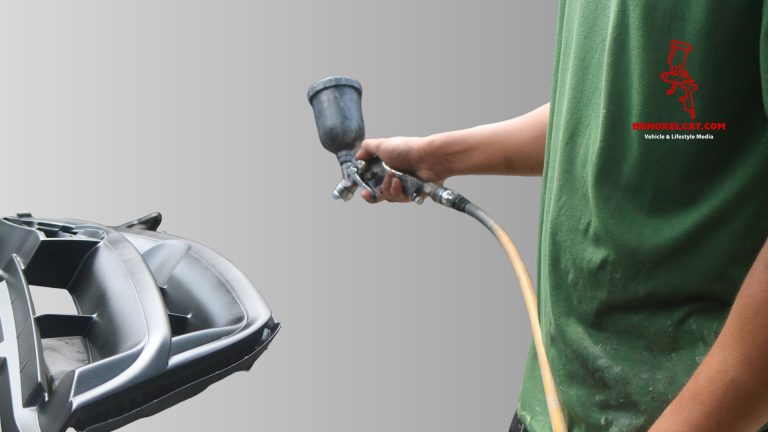
A typical spray gun consists of several key components:
- Air cap: Shapes and directs the spray pattern
- Fluid nozzle spray gun: Controls paint flow
- Needle: Regulates the amount of fluid released
- Air inlet: Connects to the compressor
- Trigger: Activates airflow and paint release
When the trigger is pulled, compressed air mixes with liquid paint at the nozzle. This interaction breaks the paint into tiny particles, creating a fine mist that evenly coats the surface.
The primary difference between spray gun types lies in how they manage air pressure and volume. These variations directly influence atomization quality, overspray levels, and transfer efficiency.
Understanding Spray Guns at this level helps you make better decisions when selecting equipment for specific tasks.
HVLP Spray Guns: High Volume Low Pressure Efficiency
HVLP stands for High Volume Low Pressure. This type of spray gun uses a high volume of air at relatively low pressure to atomize paint. Typically, HVLP systems operate at around 10 PSI at the air cap.
How HVLP Works
Instead of relying on high pressure to break paint into particles, HVLP uses a larger volume of air to gently atomize the material. This results in a softer spray pattern and better control.
Because of the lower pressure, more paint reaches the surface instead of bouncing off. This significantly reduces overspray and material waste.
Advantages of HVLP
HVLP spray guns are widely used in automotive refinishing and furniture work due to their efficiency and control.
Key benefits include:
- Transfer efficiency up to 65–75%
- Reduced overspray and paint waste
- Better environmental compliance
- Smooth and even finish
These advantages make HVLP ideal for applications where precision and material savings are critical. This type is suitable for car paint.
Limitations of HVLP
Despite its benefits, HVLP has some drawbacks:
- Requires a high-capacity air compressor
- Slower application speed compared to conventional guns
- May struggle with thicker materials without proper thinning
In many professional workshops, HVLP is the standard choice for basecoat and clear coat applications due to its balance of efficiency and quality.
Understanding Spray Guns in the context of HVLP helps users appreciate why it has become a popular option in modern finishing processes.
LVMP Spray Guns: Low Volume Medium Pressure Balance
LVMP, or Low Volume Medium Pressure, is a relatively newer technology designed to bridge the gap between HVLP and conventional spray guns.
How LVMP Works
LVMP spray guns operate at moderate pressure levels, typically between 15–25 PSI, while using less air volume than HVLP systems. This combination allows for efficient atomization without requiring a large compressor.
Advantages of LVMP
LVMP spray guns offer a balanced performance that appeals to many users.
Key benefits include:
- Lower air consumption than HVLP
- Faster application speed
- Good atomization quality
- Reduced overspray compared to conventional guns
This makes LVMP suitable for small to medium workshops where compressor capacity is limited.
Limitations of LVMP
While versatile, LVMP spray guns are not perfect:
- Slightly lower transfer efficiency than HVLP
- May require more skill to control spray pattern
- Not as widely standardized as HVLP
LVMP is often chosen by technicians who want a compromise between efficiency and speed.
Understanding Spray Guns from this perspective highlights LVMP as a practical solution for users who need flexibility without upgrading their entire air system.
LVLP Spray Guns: Low Volume Low Pressure Simplicity
LVLP stands for Low Volume Low Pressure, and it is designed for users with minimal air supply. These spray guns are particularly popular among DIY enthusiasts and small-scale operators.
How LVLP Works
LVLP spray guns use very low air pressure and minimal air volume to atomize paint. They can often operate with small compressors, even those with limited tank capacity.
Advantages of LVLP
LVLP guns are known for their accessibility and ease of use.
Key benefits include:
- Extremely low air consumption
- Compatible with small compressors
- Reduced overspray
- Cost-effective solution
These characteristics make LVLP ideal for home garages and light-duty projects.
Limitations of LVLP
However, LVLP comes with trade-offs:
- Slower application speed
- Less refined atomization compared to HVLP
- Not ideal for large surfaces or professional production
For occasional use or smaller projects, LVLP provides a practical and affordable entry point.
Understanding Spray Guns in this category helps beginners choose equipment that matches their available resources.
Conventional Spray Guns: High Pressure Traditional Approach
Conventional spray guns represent the traditional method of spray painting. They operate at higher pressure levels, typically between 40–60 PSI.
How Conventional Spray Guns Work
Unlike HVLP or LVLP systems, conventional guns rely on high pressure to atomize paint. This creates a very fine mist and a fast application rate.
Advantages of Conventional Spray Guns
Despite being less efficient, conventional guns still have their place in certain applications.
Key benefits include:
- Excellent atomization quality
- Fast coverage of large areas
- Suitable for industrial coatings
They are often used in environments where speed is more important than material efficiency.
Limitations of Conventional Spray Guns
The main disadvantages include:
- High overspray and material waste
- Lower transfer efficiency (around 30–40%)
- Increased environmental impact
Due to stricter regulations and rising material costs, many industries are transitioning away from conventional systems.
Understanding Spray Guns in this traditional form provides insight into how modern technologies have evolved to improve efficiency and sustainability.
Choosing the Right Spray Gun for Your Application
Selecting the right spray gun depends on several factors, including your project size, available equipment, and desired finish quality.
Here are some practical considerations:
1. Compressor Capacity
If you have a small compressor, LVLP or LVMP is a better choice. HVLP requires a higher air volume, which may not be suitable for limited setups.
2. Type of Material
Thicker coatings like primers may require higher pressure systems, while basecoats and clear coats benefit from HVLP precision.
3. Project Scale
- Small projects: LVLP
- Medium projects: LVMP or HVLP
- Large industrial work: Conventional or HVLP
4. Budget
Spray gun prices vary widely:
- LVLP: $30–$100
- LVMP: $80–$200
- HVLP: $150–$500
- Conventional: $100–$400
Investing in the right tool can improve efficiency and reduce long-term costs.
5. Skill Level
Beginners often prefer LVLP due to its simplicity, while professionals may opt for HVLP or LVMP for better control and finish quality.
Understanding Spray Guns in terms of these practical factors ensures that you choose equipment that aligns with your needs and capabilities.
Application Tips for Better Results
Regardless of the spray gun type, technique plays a crucial role in achieving a professional finish.
Here are some essential tips:
- Maintain a consistent distance (15–20 cm) from the surface
- Use smooth, overlapping strokes (50% overlap recommended)
- Adjust air pressure and fluid flow properly
- Keep the spray gun perpendicular to the surface
- Practice on test panels before actual application
Proper technique can often compensate for equipment limitations, leading to better results.
Conclusion
Spray guns are essential tools in various industries, from automotive refinishing to woodworking and industrial coatings. Each type—HVLP, LVMP, LVLP, and conventional—offers unique advantages and trade-offs.
HVLP stands out for its efficiency and environmental friendliness, while LVMP provides a balanced approach between performance and air consumption. LVLP is ideal for beginners and small-scale projects, and conventional spray guns remain relevant for high-speed industrial applications.
Understanding Spray Guns allows you to make informed decisions based on your specific requirements. By considering factors such as compressor capacity, project size, and material type, you can select the right tool for optimal performance.
In the end, the best spray gun is not just about technology—it’s about how well it matches your workflow and delivers consistent, high-quality results.
Also Read: How Workshop Tools Influence Paint Quality