
Modern car owners are more informed than ever about vehicle protection. Beyond regular washing and waxing, many now look for advanced solutions that preserve paint quality, resale value, and overall appearance. Among the most discussed options are Paint Protection Film and ceramic coating, two technologies designed to shield a vehicle’s exterior from daily wear.
The debate around PPF vs Ceramic Coating often arises because both promise protection, shine, and long-term value, yet they work in very different ways. Understanding those differences is essential before making a decision that could affect your car for years.
This article explores both options in depth, comparing performance, cost, durability, and real-world usage. By the end, you should have a clear picture of which solution fits your driving habits, environment, and expectations.
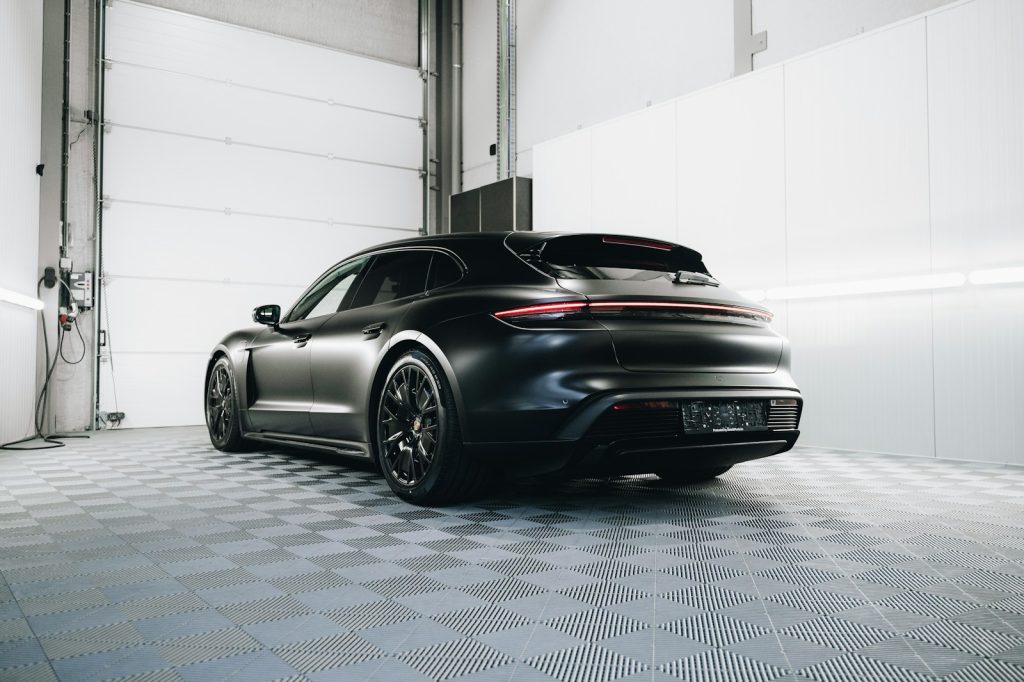
Understanding the Basics of PPF vs Ceramic Coating
Before diving into comparisons, it is important to understand what each protection method actually does. Although they are often mentioned together, they are fundamentally different technologies with different purposes.
Paint Protection Film, commonly called PPF, is a transparent urethane film applied directly onto the vehicle’s painted surfaces. It acts as a physical barrier between the paint and external hazards. Ceramic coating, on the other hand, is a liquid polymer that chemically bonds with the paint, creating a hardened, hydrophobic layer.
When people discuss PPF vs Ceramic Coating, they are often comparing physical impact resistance against chemical and environmental protection. Both have strengths, but neither is a universal solution for every car owner.
What Is Paint Protection Film?
Paint Protection Film originated in military applications, where it was used to protect helicopter blades from debris. Today, automotive-grade PPF is engineered to be flexible, self-healing, and nearly invisible once installed.
High-quality PPF typically measures between 6 to 8 mils in thickness. This thickness allows it to absorb impacts from small stones, road debris, and minor abrasions. Many modern films also have self-healing properties, meaning light scratches can disappear when exposed to heat or sunlight.
PPF is usually applied to high-impact areas such as the front bumper, hood, side mirrors, and fenders. Some owners opt for full-body coverage, which offers the highest level of physical protection but comes at a significantly higher cost.
What Is Ceramic Coating?
Ceramic coating is a liquid solution made from silicon dioxide or similar compounds. Once applied and cured, it bonds with the vehicle’s clear coat, creating a slick and glossy surface.
Unlike PPF, ceramic coating does not add significant thickness or impact resistance. Instead, its strength lies in chemical protection and ease of maintenance. It resists UV rays, oxidation, water spots, and light chemical stains from bird droppings or tree sap.
A professionally applied ceramic coating can last anywhere from two to five years, depending on the product and maintenance. During that time, the car is easier to wash, and dirt tends to slide off rather than cling to the surface.
Protection Performance in Real-World Conditions
The real test of any vehicle protection solution is how it performs outside the garage. Daily driving exposes cars to gravel, insects, sun exposure, rain, and pollution.
In the discussion of PPF vs Ceramic Coating, performance often depends on what kind of damage you are trying to prevent. Physical impacts and scratches require a different solution than chemical etching or fading.
PPF excels in high-impact environments. Highway driving, construction zones, and long-distance travel increase the risk of stone chips. In these situations, a thick urethane film can mean the difference between intact paint and costly repainting.
Ceramic coating, however, shines in daily maintenance. It reduces water spotting, minimizes swirl marks from washing, and keeps the paint looking freshly detailed for longer periods. For city drivers who prioritize appearance and ease of cleaning, this benefit is significant.
Resistance to Scratches and Stone Chips
Paint Protection Film is specifically designed to absorb and disperse impact energy. Small stones that would normally chip paint often bounce off or leave marks that self-heal over time.
Ceramic coating offers limited scratch resistance. While it can reduce micro-scratches from improper washing, it cannot stop rock chips or deep scratches. Its hardness rating, often advertised as 9H, refers to pencil hardness rather than real-world impact resistance.
This distinction is crucial when evaluating PPF vs Ceramic Coating for vehicles frequently driven on highways or rough roads.
UV, Chemical, and Environmental Protection
Ceramic coatings provide excellent UV resistance. Over time, constant sun exposure can cause paint to oxidize and fade. A quality coating acts as a sunscreen for your car, preserving color depth and gloss.
PPF also offers UV protection, but its primary role remains physical defense. Some lower-quality films may discolor over time, although modern premium films have largely addressed this issue.
Environmental contaminants such as acid rain, bird droppings, and industrial fallout are easier to clean from ceramic-coated surfaces. They are less likely to bond strongly to the paint, reducing the risk of permanent etching.
Cost, Installation, and Maintenance Considerations
Budget often plays a major role in deciding between these two protection methods. While both are considered premium solutions, their pricing structures and long-term costs differ substantially.
When comparing PPF vs Ceramic Coating, it is important to look beyond the initial price tag and consider lifespan, coverage area, and maintenance requirements.
A partial PPF installation, covering only high-impact areas, may start around USD 800 to 1,500. Full-body PPF installations can range from USD 4,000 to over 7,000, depending on vehicle size and film quality.
Ceramic coating is generally more affordable. Professional applications typically range from USD 700 to 2,000, depending on the number of layers and surface preparation involved.
Installation Time and Complexity
Installing Paint Protection Film is labor-intensive. Each panel must be carefully cleaned, measured, and wrapped to ensure seamless coverage. Full installations can take three to five days to complete.
Ceramic coating installation is faster but still requires meticulous preparation. Paint correction is often performed beforehand to remove swirl marks and imperfections. The coating itself may cure within 24 to 48 hours.
Both processes should be handled by trained professionals. Improper installation can compromise performance and aesthetics, regardless of the product used.
Ongoing Maintenance Requirements
PPF requires relatively simple maintenance. Regular washing and occasional inspection for lifted edges are usually sufficient. Damaged sections can often be replaced without removing the entire film.
Ceramic coating requires proper washing techniques to maintain its hydrophobic properties. While it reduces the need for waxing, neglecting maintenance can shorten its lifespan.
From a long-term perspective, understanding maintenance needs is essential when weighing PPF vs Ceramic Coating as an investment rather than a one-time expense.
Appearance, Finish, and Driving Experience
Aesthetics play a major role in vehicle protection decisions. Many owners want protection that enhances, rather than dulls, the look of their car.
Modern Paint Protection Films are nearly invisible and available in different finishes, including gloss, matte, and satin. This allows owners to maintain or even change the visual character of their vehicle without permanent modification.
Ceramic coating is known for enhancing gloss and color depth. It creates a reflective, wet-look finish that appeals to enthusiasts who value visual impact.
In everyday driving, both options contribute to peace of mind. Knowing that your paint is protected can reduce stress in parking lots, during road trips, or in harsh weather conditions.
Effect on Resale Value
Vehicles with well-maintained paint often command higher resale prices. Buyers tend to associate pristine exteriors with overall good care.
PPF can be removed to reveal paint that looks significantly newer than its age. This can be a strong selling point for high-end or performance vehicles.
Ceramic coating also helps preserve appearance, but its effects are more subtle over time. The choice between them often comes down to how long you plan to keep the car and how you intend to sell it.
Insights From Hands-On Industry Experience
From our direct involvement in vehicle protection projects, we have seen how different solutions perform over time. Working closely with installers, detailers, and car owners has provided valuable insight into real-world outcomes rather than marketing claims.
In multiple cases, vehicles protected with PPF showed minimal front-end damage even after years of highway driving. Conversely, ceramic-coated cars consistently impressed owners with how easy they were to clean and how long they maintained a fresh appearance.
These firsthand observations highlight why the conversation around PPF vs Ceramic Coating is not about which option is better in absolute terms, but which one aligns with specific usage patterns and expectations.
Choosing the Right Solution for Your Vehicle
Selecting the right protection method depends on several personal factors. There is no universal answer that fits every driver.
Consider how often you drive, where you park, and what kind of roads you use. A daily commuter exposed to heavy traffic may prioritize impact protection, while a weekend car enthusiast may focus on appearance and ease of maintenance.
In many cases, combining both solutions is also an option. Some owners install PPF on high-impact areas and apply ceramic coating over the entire vehicle, achieving a balanced level of protection.
Evaluating PPF vs Ceramic Coating through the lens of lifestyle rather than trends leads to more satisfying long-term results.
Bullet points to consider before deciding:
- Typical driving conditions and mileage
- Budget and willingness to invest long term
- Importance of physical protection versus visual enhancement
- Planned ownership duration
Conclusion
Both Paint Protection Film and ceramic coating represent significant advancements in automotive care. They address different risks and deliver distinct benefits, making them valuable tools for preserving vehicle condition.
Understanding the strengths and limitations of each option clarifies the ongoing debate surrounding PPF vs Ceramic Coating. PPF offers unmatched defense against physical damage, while ceramic coating excels in chemical resistance, gloss enhancement, and maintenance simplicity.
Ultimately, the best choice depends on your priorities, environment, and how you interact with your vehicle on a daily basis. By making an informed decision, you ensure that your investment delivers lasting value, protection, and satisfaction for years to come.
Also Read: How to Machine Polish a Car: The Best Way for Beginners