
Hot weather can be brutal—not only for drivers but also for vehicles. Prolonged exposure to sunlight, high temperatures, and dry air gradually damages your car’s exterior. Over time, vibrant paint can turn dull, oxidized, and uneven in color.
Understanding how to prevent car paint from fading in hot weather is essential, especially if you live in tropical or desert climates where temperatures frequently exceed 90°F (32°C). UV radiation, combined with heat and environmental contaminants, accelerates paint degradation faster than many car owners realize.
This guide explains why paint fades, how heat affects your vehicle’s finish, and the practical steps you can take to protect your investment for the long term.
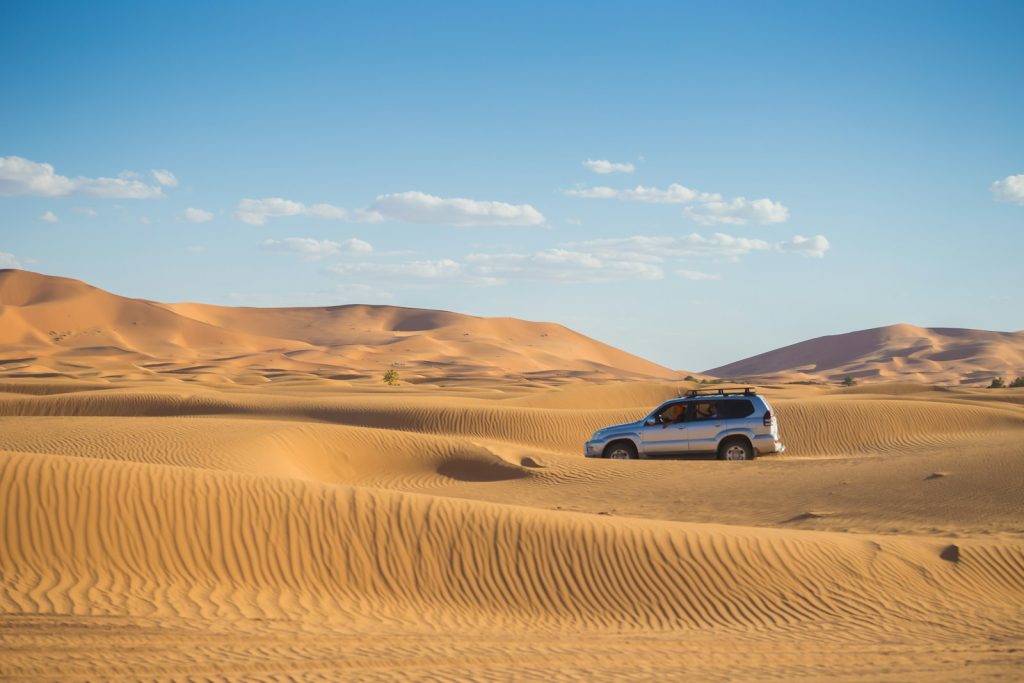
Why Car Paint Fades in Hot Weather
Before discussing prevention, it’s important to understand what causes fading.
Modern automotive paint consists of multiple layers: primer, base color coat, and clear coat. The clear coat acts as a protective barrier, but it is not immune to UV radiation and extreme heat.
When exposed to intense sunlight for long periods, ultraviolet rays break down the molecular structure of the clear coat. This process leads to oxidation, which causes paint to look chalky or dull.
High surface temperatures worsen the issue. On a 95°F day, a dark-colored car parked in direct sunlight can reach surface temperatures of 150°F or higher. These extreme conditions accelerate chemical breakdown.
Learning how to prevent car paint from fading in hot weather starts with minimizing UV exposure and preserving the integrity of the clear coat.
Park Smart: The First Line of Defense
Where and how you park plays a major role in paint protection.
1. Choose Shade Whenever Possible
Parking in a shaded area significantly reduces direct UV exposure. Even partial shade can lower surface temperatures by 20–30 degrees.
Look for:
- Covered parking garages
- Carports
- Shaded areas near buildings
However, avoid parking directly under trees for extended periods, as sap and bird droppings can damage paint.
2. Use a Quality Car Cover
If shaded parking is unavailable, a high-quality car cover is a smart investment.
Choose breathable materials that prevent moisture buildup. Cheap covers may trap heat or scratch the paint if dust gets underneath.
A good outdoor car cover typically costs between $60 and $200 but can save thousands in repainting costs over time.
Taking these steps supports how to prevent car paint from fading in hot weather at a basic but highly effective level.
Apply Protective Layers Regularly
Protective coatings act as a sacrificial barrier between your paint and the sun.
1. Waxing Every 2–3 Months
Car wax creates a thin protective layer that reflects UV rays and repels contaminants.
In hot climates, waxing every 8–12 weeks is recommended. The cost of quality wax ranges from $15 to $40.
Consistent waxing is one of the simplest ways to practice how to prevent car paint from fading in hot weather.
2. Paint Sealants for Longer Protection
Synthetic paint sealants last longer than traditional wax—often 4–6 months.
They provide better resistance to heat and UV exposure. For drivers in extremely sunny regions, sealants offer improved durability.
3. Ceramic Coatings for Maximum Protection
Ceramic coatings provide long-term protection lasting 1–3 years.
Professional ceramic coating services may cost $500–$1,500, depending on vehicle size and preparation work. While expensive upfront, they significantly reduce oxidation risk.
Using protective products consistently strengthens your strategy for how to prevent car paint from fading in hot weather.
You May Also Like: How to Take Care of Car Exterior at Home Simple Guide
Wash Your Car Properly and Frequently
Heat alone does not cause fading. Dirt, pollution, bird droppings, and road grime accelerate damage when combined with sunlight.
Contaminants can bake into the clear coat under high temperatures, causing stains and chemical etching.
Recommended Washing Routine
- Wash every 1–2 weeks
- Use pH-balanced car shampoo
- Avoid washing under direct sunlight
- Dry immediately to prevent water spots
Regular cleaning removes harmful particles before they bond with the paint.
Maintaining cleanliness is a crucial part of how to prevent car paint from fading in hot weather.
Protect Against UV Damage Specifically
Not all protective products are equal. Some are specifically formulated with UV inhibitors.
1. Use UV-Resistant Waxes and Sealants
Check product labels for UV protection claims. These formulas contain additives that help reflect or absorb ultraviolet rays.
2. Consider Paint Protection Film (PPF)
Paint protection film provides physical and UV shielding.
Though more expensive—ranging from $1,000 to $3,000 for partial coverage—it offers strong protection against sun damage and rock chips.
3. Apply Trim and Plastic Protectants
Hot weather also fades plastic trim and rubber seals.
Use UV-protectant sprays on exterior trim every 1–2 months to prevent cracking and discoloration.
Combining these methods strengthens your approach to how to prevent car paint from fading in hot weather.
Avoid Common Mistakes in Hot Climates
Even well-meaning car owners sometimes make mistakes that worsen fading.
Avoid these habits:
- Parking for long hours in open sun daily
- Using dish soap that strips protective wax
- Skipping wax application for over six months
- Ignoring small paint chips
- Wiping dust off dry paint
Dry wiping can create micro-scratches that weaken the clear coat over time.
Being aware of these risks helps reinforce how to prevent car paint from fading in hot weather effectively.
Consider Professional Paint Maintenance
If your car already shows early signs of oxidation, light polishing may restore gloss.
Professional detailing services typically charge between $200 and $600 for paint correction, depending on severity.
Polishing removes oxidized layers and restores clarity before applying new protection.
After correction, maintaining protection becomes even more critical when applying strategies for how to prevent car paint from fading in hot weather.
Real-World Observation from Automotive Field Experience
Our team has visited detailing workshops in regions known for extreme heat, including coastal and desert areas. In several cases, vehicles less than four years old showed severe oxidation due to constant outdoor parking without protective coatings. Conversely, cars that received regular waxing or ceramic treatments maintained their shine despite identical climate conditions. Detailers consistently emphasized that routine protection—not expensive repainting—made the biggest difference. These firsthand observations highlighted how consistent maintenance plays a central role in how to prevent car paint from fading in hot weather.
The Role of Color in Heat Absorption
Vehicle color affects heat retention.
Dark colors such as black, dark blue, and deep red absorb more heat than lighter shades. This increases surface temperature and accelerates oxidation.
While repainting is not practical for most owners, recognizing this factor encourages stronger preventive measures if you drive a dark-colored vehicle.
Regardless of color, consistent application of protection remains the foundation of how to prevent car paint from fading in hot weather.
Create a Simple Protection Schedule
Keeping paint vibrant does not require complex routines. Follow a manageable plan:
Weekly:
- Inspect for bird droppings or sap
- Quick rinse if necessary
Biweekly:
- Full wash and dry
Every 2–3 Months:
- Apply wax
Every 4–6 Months:
- Apply sealant if not waxing
Annually:
- Professional inspection or light polish if needed
Sticking to a schedule ensures long-term success when implementing how to prevent car paint from fading in hot weather.
Environmental Factors Beyond Sunlight
Besides UV radiation, other environmental elements contribute to fading.
Coastal regions expose vehicles to salt air, which accelerates corrosion.
Desert areas expose paint to dust and sand particles that create micro-abrasions.
Urban areas introduce industrial pollution and acid rain.
Adapting your maintenance routine to your environment strengthens your strategy for how to prevent car paint from fading in hot weather.
Long-Term Financial Benefits of Paint Protection
Protecting paint is not only about appearance.
A vehicle with well-maintained exterior paint can retain up to 10–15% higher resale value compared to one with visible oxidation and fading.
Repainting a full vehicle may cost between $3,000 and $8,000 depending on quality.
Preventive maintenance costs significantly less than repainting.
From a financial perspective, learning how to prevent car paint from fading in hot weather protects both aesthetics and long-term investment.
Conclusion
Hot weather poses a serious threat to automotive paint. UV radiation, high surface temperatures, and environmental contaminants gradually break down protective layers and cause fading.
However, with smart parking habits, regular washing, protective coatings, and consistent maintenance, you can preserve your vehicle’s shine for years.
Understanding how to prevent car paint from fading in hot weather empowers you to take control of your car’s appearance and value. From applying wax to choosing shaded parking and investing in advanced coatings, each step contributes to long-term protection.
A proactive approach not only maintains a glossy finish but also prevents costly repairs and repainting in the future. With proper care, your car can withstand even the harshest summer conditions while retaining its vibrant, polished look.
May You Also Like: How to Take Care of Your Car’s Body at Home