
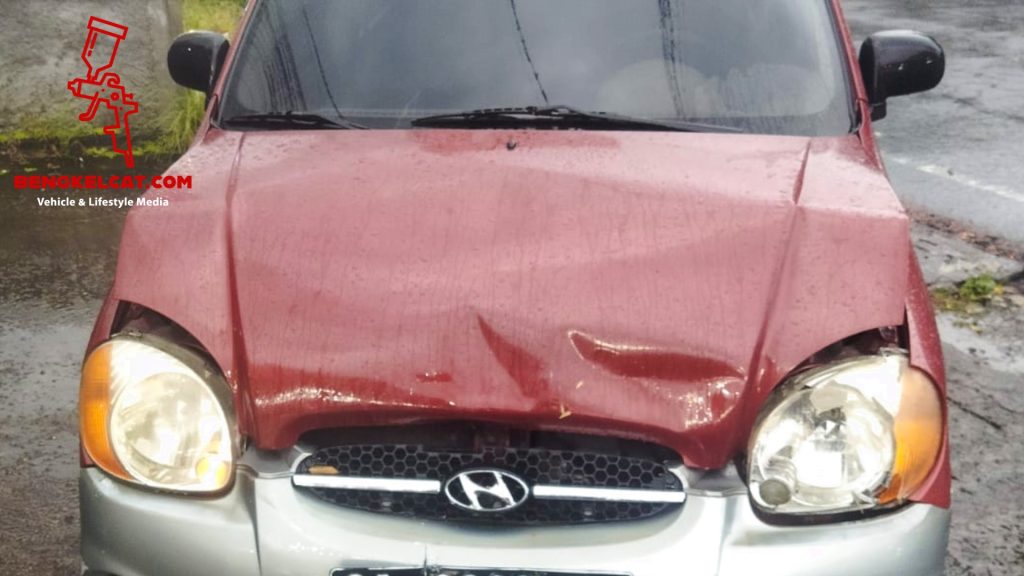
A damaged hood is one of the most visible signs of a car accident. Whether caused by a front-end collision, falling debris, or severe hail, the hood often absorbs significant impact. After the initial shock, most drivers begin asking the same practical question: what is the real Hood Replacement Cost, and is it truly worth replacing?
The answer depends on several factors, including the severity of the damage, vehicle age, material type, and insurance coverage. In some cases, replacement is the safest and most cost-effective option. In others, repair may be sufficient.
This comprehensive guide explains how much you can expect to pay, what influences pricing, and how to determine whether replacing your hood makes financial sense after an accident.
What Determines Hood Replacement Cost?
The total Hood Replacement Cost is not just about buying a new panel. It includes parts, labor, paint, and additional adjustments. Understanding these components helps you evaluate repair estimates accurately.
Several key factors influence the final price:
- Vehicle make and model
- Hood material (steel or aluminum)
- OEM vs aftermarket parts
- Labor rates in your area
- Paint matching and blending
- Sensor recalibration or structural adjustments
For most standard vehicles, total hood replacement typically ranges from $1,200 to $3,500. Luxury models or aluminum hoods can push the cost beyond $4,000.
The material and brand of the vehicle often make the biggest difference.
Average Hood Replacement Cost by Vehicle Type
Not all vehicles are priced equally when it comes to hood replacement. A compact sedan will generally cost less to repair than a luxury SUV or high-performance vehicle.
1. Economy and Mid-Size Vehicles
For common models such as compact cars and mid-size sedans, the Hood Replacement Cost usually falls between $1,200 and $2,500.
Breakdown example:
- Hood panel: $400–$900
- Paint and refinishing: $500–$1,000
- Labor: $300–$800
These vehicles typically use steel hoods, which are less expensive to source and install.
2. SUVs and Trucks
Larger vehicles require bigger panels, which increases material and shipping costs. Replacement typically ranges from $1,800 to $3,500.
SUVs often include hood insulation, reinforcement brackets, and complex latch systems that add labor hours.
3. Luxury and Performance Vehicles
Premium brands often use aluminum or specialty alloys. In these cases, the Hood Replacement Cost may range from $2,500 to $5,000 or more.
Higher paint quality standards and advanced sensor systems also contribute to elevated pricing.
Steel vs Aluminum: Why Material Matters
The material of your hood significantly affects pricing and repair complexity.
Steel Hoods
Steel remains common in many vehicles. It is durable, affordable, and easier to manufacture.
Advantages:
- Lower part cost
- Easier installation
- Widely available replacement panels
Steel hood panels typically cost $400 to $1,000 before paint and labor.
Aluminum Hoods
Aluminum reduces vehicle weight and improves fuel efficiency. However, it increases manufacturing and repair complexity.
Aluminum hood panels often cost $800 to $1,800 before paint. Labor costs are also higher because aluminum requires specialized handling and equipment.
This material difference alone can raise the Hood Replacement Cost by 30–50%.
Also Read: Car Hood Repair Cost – Why Aluminum Hoods Are More Expensive
Repair vs Replacement: Which Option Is Better?
Not every damaged hood needs full replacement. Minor dents or surface damage can sometimes be repaired at a lower cost.
When Repair May Be Enough
Repair may be suitable if:
- Damage is cosmetic
- There is no structural bending
- The hood latch remains aligned
- Paint damage is minimal
In such cases, repair costs may range from $500 to $1,500 depending on severity.
When Replacement Is Necessary
Replacement becomes necessary if:
- The hood is crumpled or folded
- Structural reinforcement is compromised
- Latch alignment affects safety
- Corrosion has developed under damaged paint
In these situations, investing in replacement ensures long-term safety and structural integrity.
Comparing repair estimates to the total Hood Replacement Cost helps determine which option offers better value.
Paint and Finishing Costs
Paintwork plays a major role in final pricing. The hood is a large, highly visible surface, so color matching must be precise.
Modern vehicles use multi-layer paint systems:
- Primer
- Base coat
- Clear coat
Metallic and pearl finishes increase labor and material costs. Paint and blending alone can add $500 to $1,200 to the total Hood Replacement Cost.
Blending into adjacent fenders may also be necessary to achieve uniform color consistency.
Labor Charges and Time Estimates
Labor costs vary significantly depending on location. Urban repair shops often charge $100 to $175 per hour. Smaller towns may charge $70 to $110 per hour.
Replacing a hood typically requires 4 to 8 labor hours. This includes:
- Removing the damaged hood
- Installing the new panel
- Aligning hinges and latch
- Testing fitment and closure
Total repair time may range from two to five days, depending on paint curing and parts availability.
Labor represents a substantial portion of the overall Hood Replacement Cost, especially in high-rate areas.
Insurance Considerations
Insurance coverage can greatly influence your decision. If you carry collision coverage, your insurer may cover the majority of replacement costs minus your deductible.
Before filing a claim, consider:
- Your deductible amount
- Potential premium increases
- Fault determination
- Vehicle value
If the Hood Replacement Cost is only slightly higher than your deductible, paying out of pocket may be more practical.
However, for damages exceeding $2,000, insurance often becomes financially beneficial.
Hidden Costs You Should Expect
In some cases, hood replacement involves additional components.
Potential added expenses include:
- Hood latch replacement ($100–$300)
- Insulation pad replacement ($100–$250)
- Sensor recalibration ($150–$400)
- Windshield washer nozzle replacement ($50–$150)
These items can increase the total Hood Replacement Cost beyond the initial estimate.
Always request a detailed written breakdown before approving repairs.
Long-Term Value and Resale Impact
Replacing a severely damaged hood often protects long-term vehicle value. A properly aligned and professionally painted hood preserves structural integrity and visual appeal.
If you plan to sell your vehicle, buyers typically inspect panel alignment and paint consistency. A high-quality replacement can maintain resale confidence.
On the other hand, poorly repaired or misaligned hoods may lower resale offers.
When evaluating the Hood Replacement Cost, consider not only immediate expense but also long-term financial implications.
Our Experience Observing Hood Replacements
Our team has spent years covering automotive repair trends and working alongside certified collision centers. During multiple repair assessments, we observed that many drivers initially resisted full hood replacement due to cost concerns.
However, in cases involving structural bending or latch misalignment, technicians consistently recommended replacement over repair. We witnessed situations where attempted repairs led to recurring alignment issues, ultimately costing more than a full replacement would have initially.
These firsthand observations reinforce the importance of evaluating both safety and long-term durability when considering the Hood Replacement Cost.
Is It Safe to Delay Hood Replacement?
Delaying replacement may seem like a money-saving strategy. However, a compromised hood can create safety risks.
Misaligned latches may fail at high speeds. Structural weakness can affect crash protection. Exposed metal may lead to corrosion.
While cosmetic dents may not pose immediate danger, structural damage should be addressed promptly. Ignoring it could increase repair complexity and raise the total Hood Replacement Cost later.
How to Reduce Replacement Expenses
Although replacement costs can be significant, several strategies can help manage expenses.
Consider these practical steps:
- Obtain multiple repair estimates
- Ask about aftermarket panel options
- Review insurance coverage carefully
- Confirm paint blending requirements
- Choose reputable repair facilities
Careful planning ensures transparency and prevents unexpected costs.
Conclusion: Is Hood Replacement Worth It?
The decision to replace a damaged hood depends on safety, structural integrity, and financial considerations. For minor cosmetic damage, repair may be sufficient. However, when structural compromise or latch misalignment occurs, replacement is often the safest solution.
The average Hood Replacement Cost ranges from $1,200 to $3,500 for standard vehicles and can exceed $4,000 for luxury or aluminum models. Material type, paint complexity, labor rates, and insurance coverage all influence final pricing.
While the expense may seem significant, replacing a compromised hood protects both safety and vehicle value. Evaluating the full cost breakdown and consulting experienced technicians ensures you make an informed decision after an accident.
Ultimately, prioritizing structural integrity and long-term reliability often justifies the investment.
Also Read: Auto Body Repair Cost in the US