
Driving at night presents a completely different set of challenges compared to daytime travel. Reduced visibility, glare from oncoming vehicles, and unpredictable road conditions increase the risk of accidents. In these situations, headlights become one of the most critical safety components of a vehicle.
Understanding the function of headlights is essential for every driver. Headlights are not simply tools to illuminate the road ahead. They help drivers detect obstacles, read road signs, maintain lane position, and communicate presence to other road users. Modern lighting systems also integrate advanced technologies that improve safety and comfort.
This article explores how headlights work, their importance in night driving, and the different types available in today’s vehicles.
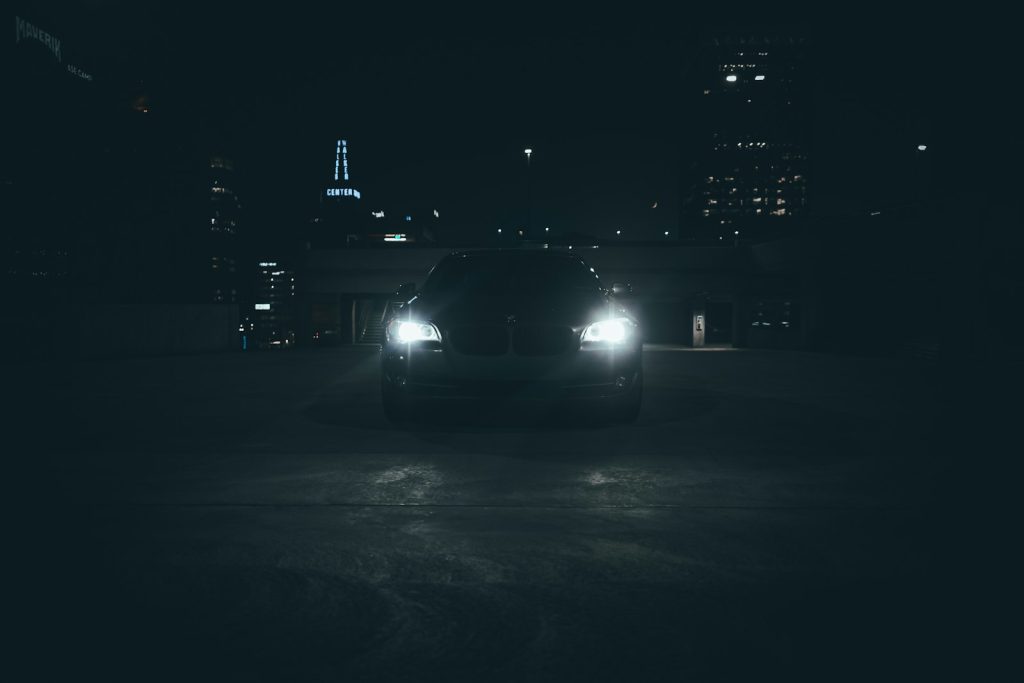
The Primary Function of Headlights in Night Driving
The core function of headlights is to provide forward illumination during low-light conditions. Without adequate lighting, drivers cannot accurately judge distance, speed, or road curvature.
At highway speeds of 60–70 mph, a vehicle travels nearly 100 feet per second. If visibility is limited to only 150 feet due to poor lighting, reaction time becomes dangerously short. Effective headlamp extend visibility range, giving drivers more time to respond.
Beyond illumination, headlights also serve as a communication tool. They make your vehicle visible to pedestrians, cyclists, and other motorists. In rural areas with minimal street lighting, this visibility becomes even more critical.
Improving Reaction Time and Hazard Detection
Night driving reduces depth perception and peripheral awareness. Proper lighting compensates for these limitations.
High-quality headlamps can illuminate objects up to 300–500 feet ahead on high beam. This extended range allows drivers to detect animals, stalled vehicles, or debris earlier.
The function of headlights therefore directly influences reaction time and accident prevention.
Enhancing Road Sign Visibility
Reflective road signs rely on headlight beams to become readable at night. Without sufficient brightness and proper beam alignment, signs may appear dim or unclear.
Clear sign visibility ensures drivers can anticipate curves, exits, or speed changes in advance.
Key Components That Support Headlight Performance
To better understand the function of headlights, it helps to examine their internal components. Modern headlamp consist of several integrated parts that work together.
1. Bulb or Light Source
The bulb generates the light. Depending on the system, this may be halogen, HID, LED, or laser-based technology.
Each type produces different brightness levels and energy efficiency.
2. Reflector or Projector Housing
Reflectors distribute light in a controlled pattern. Projector systems use lenses to focus beams more precisely.
These components ensure light spreads evenly without blinding other drivers.
3. Lens Cover
The outer lens protects internal components from dust, water, and impact.
Over time, plastic lenses may oxidize, reducing brightness by up to 30%. Regular cleaning or restoration improves performance.
The function of headlights depends not only on bulb strength but also on how effectively these components direct and protect the light output.
Types of Headlights Used in Modern Vehicles
Automotive lighting has evolved significantly over the past decades. Today’s vehicles use various headlight technologies, each with advantages and limitations.
Below are the most common types:
- Halogen headlights
- HID (High-Intensity Discharge) headlights
- LED headlights
- Laser headlights
- Adaptive headlights
Each system affects brightness, efficiency, and cost differently.
1. Halogen Headlights
Halogen headlights remain the most common and affordable option. They use a tungsten filament inside a halogen gas-filled bulb.
Advantages:
- Low replacement cost ($15–$40 per bulb)
- Easy installation
- Widely available
However, they are less energy-efficient and typically last around 500–1,000 hours.
Despite their simplicity, the function of headlamp using halogen technology still fulfills basic nighttime driving needs effectively.
2. HID (Xenon) Headlights
HID headlights generate light through an electric arc between two electrodes inside a gas-filled chamber.
They are significantly brighter than halogen bulbs and produce a white or bluish light.
Advantages:
- Up to three times brighter than halogen
- Longer lifespan (2,000–3,000 hours)
- Improved nighttime visibility
Replacement costs range from $100–$300 per bulb.
3. LED Headlights
LED (Light Emitting Diode) technology has become increasingly popular in modern vehicles.
Benefits include:
- High energy efficiency
- Long lifespan (up to 20,000 hours)
- Compact design
- Instant illumination
LED systems may cost more initially but require less maintenance over time.
The function of headlights in LED systems combines brightness with efficiency, making them ideal for both economy and luxury vehicles.
4. Laser Headlights
Laser headlights represent advanced lighting technology found mainly in high-end vehicles.
They produce extremely intense light and can illuminate distances exceeding 600 meters on high beam.
Although highly efficient, they remain expensive and are typically available only in premium models.
Low Beam vs High Beam: Understanding Their Roles
Headlights operate in different modes depending on driving conditions.
Low Beam
Low beams provide moderate illumination without causing glare to oncoming drivers.
They are designed for city streets and traffic-heavy roads.
High Beam
High beams offer maximum brightness and extended range.
They should only be used when no oncoming traffic is present.
The function of headlights varies between these modes, ensuring safety both for the driver and others on the road.
Adaptive and Smart Headlight Systems
Modern vehicles increasingly feature adaptive lighting systems.
These systems automatically adjust beam direction based on steering angle and vehicle speed.
For example, when turning into a curve, adaptive headlights pivot to illuminate the inside of the turn. This improves visibility and reduces blind spots.
Some advanced systems include automatic high-beam control, which switches between high and low beams depending on surrounding traffic.
The function of headlights in these systems extends beyond simple illumination. They actively respond to driving conditions to enhance safety.
Maintenance and Alignment for Optimal Performance
Even the most advanced headlights require regular maintenance.
Common Issues That Reduce Effectiveness
- Cloudy or yellowed lenses
- Misaligned beams
- Burned-out bulbs
- Car Electrical faults
Misalignment can reduce visibility range and create glare for other drivers.
Headlight alignment checks typically cost $50–$150 at service centers.
Maintaining proper alignment ensures the function of headlamp vehicle remains effective and compliant with road safety regulations.
Safety Regulations and Legal Requirements
Most countries regulate headlight brightness and beam pattern to prevent glare-related accidents.
For example:
- Maximum brightness levels are standardized
- Beam cutoff lines must meet specific angles
- Daytime running lights (DRLs) are mandatory in some regions
Compliance ensures that the function of headlights supports safety without causing harm to other drivers.
Drivers who install aftermarket lighting systems should verify compatibility with local regulations.
Real-World Insight from Automotive Field Coverage
Our team has attended vehicle safety demonstrations and nighttime driving simulations organized by automotive manufacturers. During controlled testing sessions, we observed how different lighting systems affected driver reaction time.
Vehicles equipped with LED and adaptive headlights allowed earlier hazard detection compared to older halogen systems. Technicians also demonstrated how slight misalignment reduced effective illumination distance by nearly 20%. These firsthand observations reinforced how critical proper lighting technology and maintenance are to the overall function of headlights in real-world conditions.
Choosing the Right Headlight Type for Your Needs
Selecting the best headlight system depends on budget, driving habits, and environment.
If you primarily drive in urban areas with street lighting, halogen or LED systems may be sufficient.
For rural or highway driving at night, brighter options such as HID or adaptive LED systems provide greater visibility.
When evaluating options, consider:
- Initial cost
- Lifespan
- Energy consumption
- Replacement availability
Balancing these factors ensures the function of headlights aligns with your driving requirements.
The Future of Automotive Lighting
Lighting technology continues to evolve rapidly.
Matrix LED systems now allow selective dimming of specific beam segments to avoid blinding oncoming drivers while maintaining maximum brightness elsewhere.
Some manufacturers are developing communication lighting that projects warning symbols onto the road surface.
As innovation continues, the function of headlights will expand beyond visibility into intelligent safety systems integrated with autonomous driving technologies.
Conclusion
Headlights are far more than simple illumination devices. They are essential safety systems that enhance visibility, improve reaction time, and ensure your vehicle remains visible to others.
Understanding the function of headlamp vehicle helps drivers appreciate their role in preventing accidents and improving nighttime confidence. From traditional halogen bulbs to advanced laser and adaptive systems, each type offers unique advantages.
Proper maintenance, alignment, and thoughtful selection ensure your lighting system performs at its best. As technology advances, headlights will continue to evolve, providing even greater levels of safety and efficiency.
By recognizing their importance and maintaining them properly, drivers can significantly improve night driving safety and overall road awareness.