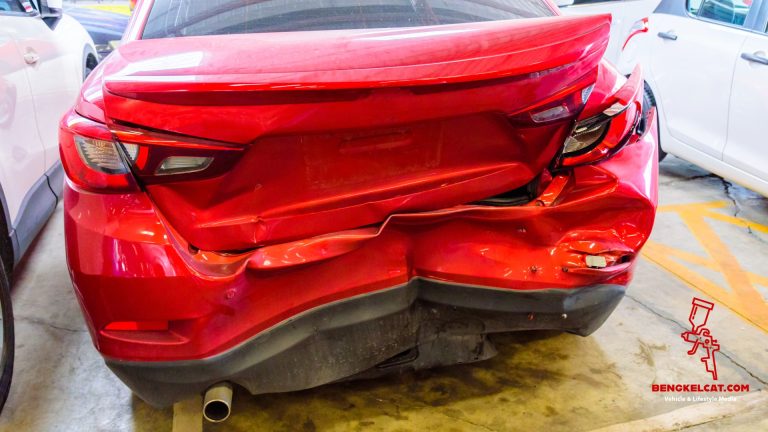
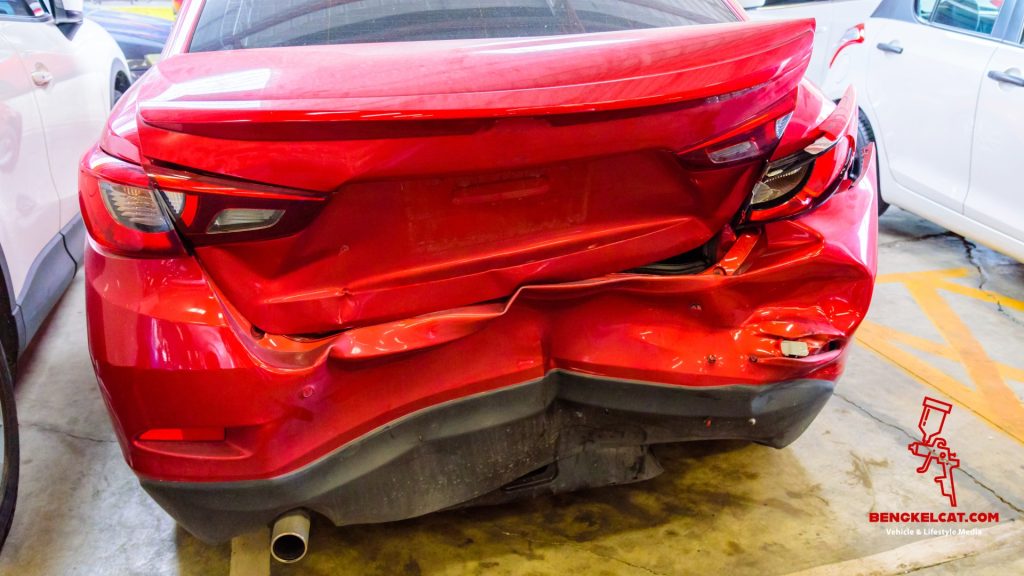
A damaged bumper often leads to one immediate question: should you repair it or replace it? Many drivers assume repairing is always cheaper. In reality, that is not always true.
Modern bumpers are complex components designed to absorb impact, support safety systems, and maintain aerodynamic efficiency. What looks like a simple crack or dent can hide structural damage that makes repairs surprisingly expensive.
Understanding Bumper Replacement Cost helps you make smarter financial decisions. In some situations, replacing the bumper entirely may cost less than attempting to repair severe damage.
This guide explains when replacement is the better option, what influences pricing, and how to avoid unexpected expenses.
What Determines Bumper Replacement Cost?
Several factors influence the final price of replacing a bumper. The cost is not limited to the plastic cover alone.
Labor time, parts quality, paint matching, and advanced driver assistance systems all contribute to the overall expense. Let’s examine the most important cost drivers.
1. Type of Vehicle
Compact cars typically have lower replacement costs than SUVs or luxury vehicles. Entry-level sedans may require $800 to $1,500 for full replacement, including parts and labor.
Luxury vehicles with sophisticated sensor systems can cost upwards of $3,000 to replace a bumper. Electric vehicles can be even more expensive due to integrated radar and camera systems.
2. OEM vs Aftermarket Parts
Original Equipment Manufacturer (OEM) bumpers are identical to factory-installed parts. They offer perfect fitment and manufacturer-backed warranties.
Aftermarket bumpers are generally cheaper but may require minor adjustments during installation. The choice between OEM and aftermarket significantly affects Bumper Replacement Cost.
3. Labor and Paint Refinishing
Replacing a bumper involves more than attaching a new part. Technicians must remove sensors, wiring harnesses, and mounting brackets.
After installation, the new bumper must be primed, painted, and clear-coated. Labor rates vary by region, ranging from $60 to over $150 per hour. These variations directly impact final pricing.
When Repairing Becomes More Expensive Than Replacing
Many vehicle owners hesitate to replace a bumper because it sounds costly. However, certain types of damage make repair less practical.
Extensive Cracks and Plastic Deformation
Small cracks can be repaired using plastic welding techniques. But when the plastic is deeply split or warped, repairs require multiple steps.
Technicians must reshape the material, apply filler, sand the surface, and repaint the entire bumper. Labor hours increase rapidly.
In these cases, the total cost of repairs may exceed the Bumper Replacement Cost, which is the installation of a new bumper.
Structural Component Damage
Behind the bumper cover sits a reinforcement bar and impact absorbers. If these components are bent or compromised, replacement is often mandatory.
Repairing both structural components and cosmetic damage may cost more than a full bumper replacement.
Sensor and Mounting Tab Failure
Modern bumpers contain mounting tabs that secure the cover in place. If multiple tabs break, repair becomes unreliable.
Additionally, damage to parking sensors or blind-spot monitoring modules increases labor and calibration costs.
When multiple systems are affected, replacing the bumper assembly may be more cost-effective.
Comparing Minor Repair vs Full Replacement
Understanding the financial difference helps clarify why replacement sometimes makes sense.
Minor repair scenario:
- Plastic welding: $400
- Sanding and repainting: $600
- Labor (6–8 hours): $800
- Total: $1,800
Replacement scenario:
- New bumper cover: $700
- Paint and materials: $600
- Labor (4–6 hours): $600
- Total: $1,900
In this example, the difference is small. However, if repairs require additional structural correction, the repair total can easily exceed $2,500.
This comparison shows how the cost of a bumper replacement can compete with the price of more extensive repairs.
Hidden Costs Many Drivers Overlook
Whether repairing or replacing, certain hidden expenses often surprise customers.
Sensor Calibration
After bumper removal, advanced driver assistance systems may require recalibration. Calibration costs range from $200 to $800.
This charge applies even if the bumper itself is not severely damaged.
Paint Blending
Matching modern automotive paint often requires blending adjacent panels. Metallic and pearl finishes are especially complex.
Blending adds material and labor charges, increasing overall Bumper Replacement Cost.
Shop Supplies and Environmental Fees
Most repair facilities add fees for shop materials and hazardous waste disposal. These typically range from 5% to 10% of the repair total.
While relatively small individually, they contribute to the final invoice.
Regional Differences in Replacement Pricing
Geographic location significantly influences repair expenses.
Urban areas with high operating costs typically have higher labor rates. Coastal states often see more expensive replacement pricing compared to smaller towns.
Supply chain conditions also affect parts availability. Delays in importing OEM components may temporarily raise Bumper Replacement Cost nationwide.
Understanding local market conditions helps you interpret estimates more accurately.
Insurance Considerations
Insurance coverage can reduce your direct financial burden, but deductibles still apply.
If your deductible is $1,000 and replacement costs $1,800, you may only pay the deductible. However, minor repairs under $800 might be better handled out-of-pocket.
Filing claims for minor damage can affect future premiums. Carefully evaluate your policy terms before deciding.
Understanding how insurance interacts with Bumper Replacement Cost ensures better long-term financial planning.
Our Direct Observations from Collision Repairs
Over the years, our team has observed numerous bumper repair and replacement cases in professional collision centers. One consistent pattern stands out: drivers often assume repair is automatically cheaper.
We have witnessed vehicles with severely cracked bumper covers undergo hours of labor-intensive plastic repair, only for the final invoice to exceed the cost of installing a brand-new part.
In several cases, technicians recommended replacement early on, but customers initially resisted due to perceived expense.
These firsthand observations reinforce an important lesson. The smartest decision is not always the cheapest upfront option.
Evaluating total labor time and structural integrity often reveals that Bumper Replacement Cost can provide better long-term value.
How to Decide Between Repair and Replacement
Making the right choice requires asking detailed questions and reviewing written estimates.
Consider replacement when:
- Cracks are extensive or multiple
- Mounting tabs are broken
- Structural components are damaged
- Sensor systems require recalibration
- Repair labor exceeds 6–8 hours
Consider repair when:
- Damage is superficial
- Paint remains mostly intact
- Structural integrity is unaffected
- Sensor systems are undamaged
Requesting a breakdown of parts and labor helps clarify which option offers better value.
Long-Term Impact on Vehicle Safety and Value
A poorly repaired bumper may not perform correctly in future collisions. Improper mounting can affect energy absorption and sensor functionality.
A properly replaced bumper restores structural integrity and ensures safety systems function as intended.
Although Bumper Replacement Cost may seem high, it often protects long-term resale value and passenger safety.
Investing in quality workmanship prevents recurring issues and future expenses.
Conclusion: When Replacement Makes More Sense
Repairing a damaged bumper is not always the most affordable solution. Extensive cracks, structural damage, and sensor complications can drive repair costs beyond replacement pricing.
Bumper Replacement Cost varies based on vehicle type, labor rates, parts selection, and paint complexity. However, in many cases, replacement provides a cleaner, safer, and more cost-effective outcome.
Before approving any work, compare detailed estimates and evaluate the full scope of damage. Ask about structural components, calibration requirements, and warranty coverage.
In the end, an informed decision ensures that your investment protects both your vehicle’s safety and its long-term value. Sometimes, replacing the bumper is not only smarter—it is actually more economical.
Also Read: Auto Body Repair Cost in the US