
Minor dents and dings are almost unavoidable for vehicle owners. Parking lot incidents, hailstorms, and light impacts can leave noticeable marks on an otherwise flawless body panel. In recent years, many drivers have searched for smarter repair solutions and started asking what is paintless dent removal and whether it truly works.
Paintless Dent Removal, commonly known as PDR, has become a preferred method for fixing small to medium dents without repainting the vehicle. This technique preserves the original factory finish, reduces repair time, and often costs less than traditional bodywork. It is widely used by dealerships, insurance companies, and professional detailers.
Understanding what is paintless dent removal helps car owners make informed decisions when faced with cosmetic damage. This article explores how PDR works, the techniques and tools involved, realistic costs, and when it is the right solution for your vehicle.
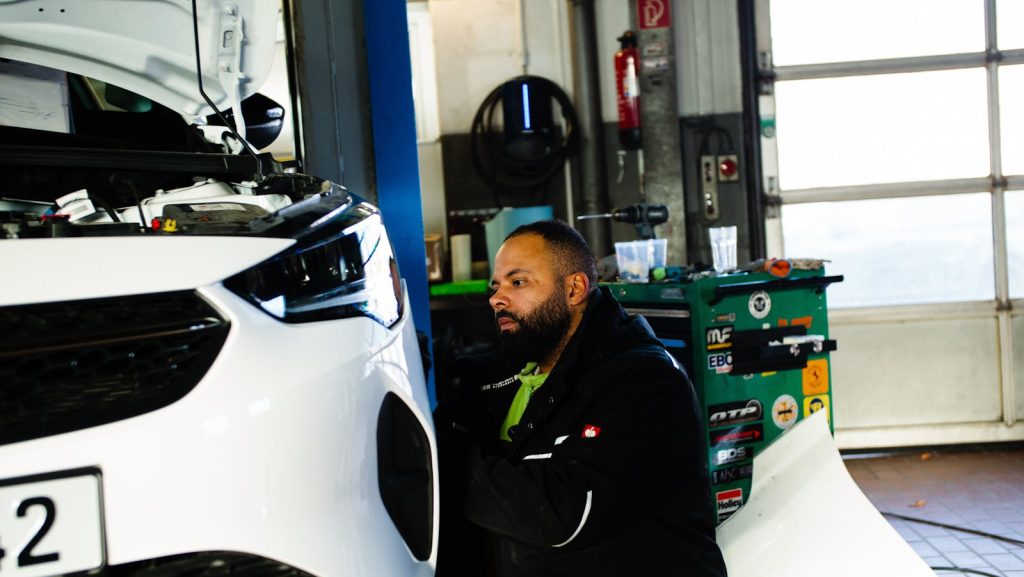
Understanding Paintless Dent Removal in the Automotive World
To fully understand what is paintless dent removal, it is important to see how it differs from conventional dent repair methods. Traditional repairs often involve sanding, applying filler, repainting, and blending panels. While effective, these steps are time-consuming and permanently alter the original paint.
Paintless Dent Removal focuses on reshaping the metal panel back to its original form without disturbing the paint layer. Skilled technicians use controlled pressure and precision tools to massage dents from behind the panel or pull them outward from the surface.
PDR works best when the paint surface is intact and flexible. Modern automotive paint systems are designed to withstand slight deformation, which makes this method possible on most vehicles manufactured in the last 20 years.
Types of Damage Suitable for PDR
Not every dent can be fixed using PDR. The technique is most effective under certain conditions, including:
- Shallow dents with smooth edges
- Damage smaller than 10–15 cm in diameter
- Panels without cracked or chipped paint
- Aluminum or steel body panels
Sharp creases, heavily stretched metal, or areas near panel edges may limit success. A professional inspection is always necessary before committing to the process.
You May Also Like: Frame Straightening Cost
How Paintless Dent Removal Techniques Work
When people ask what is paintless dent removal, they are often curious about the actual techniques used behind the scenes. PDR relies on physics, patience, and precision rather than force.
Technicians access the backside of a dent through factory openings, trim gaps, or by temporarily removing panels. They then apply gradual pressure at specific points to slowly push the metal outward. This controlled movement allows the panel to return to its original shape without stressing the paint.
In cases where backside access is limited, glue-pulling techniques may be used. Special tabs are attached to the dent’s surface and gently pulled outward, followed by fine tapping to level the area.
Common PDR Techniques Explained
Several techniques are commonly used during paintless dent repair:
- Push-to-paint methods for reshaping metal before refinishing
- Push-from-behind techniques for clean, paint-preserving repairs
- Glue pulling for dents with limited internal access
- Fine tapping to eliminate high spots and restore texture
Each technique requires extensive training and experience. A single repair can involve hundreds of micro-adjustments before achieving a seamless result.
Essential Tools Used in Paintless Dent Removal
A key part of understanding what is paintless dent removal lies in the specialized tools technicians use. Unlike traditional body shops, PDR professionals rely on precision instruments rather than heavy equipment.
PDR tools are designed to reach tight spaces and apply controlled pressure. They come in various shapes, lengths, and tip styles to match different dent locations and panel contours. The right tool selection can make the difference between a flawless repair and visible distortion.
Lighting also plays a critical role. Reflection boards or LED lights help technicians see subtle variations in the panel surface, allowing them to track progress in real time.
Common PDR Tools and Their Functions
Professional paintless dent technicians typically use:
- Metal rods and picks for pushing dents from behind
- Glue tabs and pullers for surface pulling
- Knockdown tools for leveling high spots
- LED reflection lights for precision visibility
A full professional tool set can cost anywhere from USD 2,000 to over USD 10,000, depending on quality and specialization. This investment reflects the skill level required to perform consistent repairs.
Cost of Paintless Dent Removal: What to Expect
One of the biggest reasons drivers ask what is paintless dent removal is cost efficiency. Compared to traditional body repairs, PDR is often significantly more affordable.
Pricing depends on several factors, including dent size, depth, location, and vehicle type. Small door dings may cost as little as USD 75 to USD 150, while larger dents can range from USD 300 to USD 600 per panel.
Hail damage repairs are usually priced per dent or as a package. Insurance companies frequently approve PDR for hail claims because it reduces labor time and material costs.
Also Read: Auto Body Repair Cost in the US
Factors That Influence PDR Pricing
Several variables affect final pricing:
- Number of dents on the panel
- Accessibility behind the damaged area
- Material type (aluminum repairs often cost more)
- Vehicle design and panel thickness
Despite these variables, PDR remains one of the most cost-effective cosmetic repair solutions available today.
Benefits of Choosing Paintless Dent Removal Over Traditional Repair
Another important angle when discussing what is paintless dent removal is its long-term value. Beyond saving money, PDR offers benefits that traditional methods cannot match.
Preserving factory paint is a major advantage. Original paint contributes to higher resale value and avoids potential color mismatches. Repairs are also faster, often completed within a few hours instead of several days.
Additionally, PDR is environmentally friendly. It eliminates the need for fillers, paints, and solvents, reducing chemical waste and emissions.
Key Advantages for Vehicle Owners
Paintless Dent Removal provides:
- Faster turnaround times
- Lower repair costs
- No repainting or filler materials
- Preservation of factory finish
For lease returns or pre-sale touch-ups, these benefits can make a noticeable difference in vehicle value.
Limitations and When PDR Is Not the Right Choice
While understanding what is paintless dent removal highlights its strengths, it is equally important to recognize its limitations. PDR is not a universal solution for all types of damage.
Severely stretched metal, deep creases, or damaged paint may require conventional body repair. Structural components and plastic panels also fall outside the scope of PDR techniques.
An honest assessment from a trained technician ensures realistic expectations. Attempting PDR on unsuitable damage can worsen the problem and increase repair costs later.
Experience from the Field: Professional Insight
Our team has spent years covering automotive repair facilities, dealership service centers, and hail-repair operations across multiple regions. Through hands-on observation and direct collaboration with certified technicians, we have seen firsthand how understanding what is paintless dent removal impacts repair outcomes.
In real-world scenarios, properly executed PDR restored panels to near-perfect condition in less than a day, even after severe hailstorms. We also observed that poorly trained operators left visible distortions, reinforcing the importance of experience and technique.
These field insights confirm that PDR is both an art and a science, requiring skill, patience, and the right tools to deliver consistent results.
Conclusion
Paintless Dent Removal has transformed the way minor vehicle damage is repaired. By understanding what is paintless dent removal, car owners gain access to a faster, more affordable, and environmentally responsible repair option.
From specialized tools and refined techniques to realistic cost expectations, PDR offers clear advantages when used in the right situations. While it is not suitable for every type of damage, it remains one of the most effective solutions for preserving vehicle appearance and value.
For anyone dealing with dents but wanting to avoid repainting, Paintless Dent Removal stands as a proven, modern approach that continues to set the standard in automotive cosmetic repair.
Aslo Read: What Is Car Paint