
When people admire a car, the first thing they usually notice is the paint. Color, shine, and surface quality strongly influence how a vehicle is perceived, whether it looks premium, sporty, or well-maintained. Yet behind that glossy finish lies a complex system of layers, chemicals, and technologies that most drivers never think about. Understanding what is car paint materials can completely change how you view vehicle aesthetics and protection.
Car paint is not just about looks. It plays a critical role in protecting the body from corrosion, weather damage, and everyday wear. From compact city cars to luxury sedans and commercial fleets, paint materials affect durability, resale value, and long-term maintenance costs. In modern automotive manufacturing, paint systems are engineered with precision, often contributing up to 20% of the total exterior finishing cost of a vehicle.
This article explores car paint materials in depth, from their basic composition to how they work, their benefits, and how they are applied in real-world conditions. The goal is to give you a clear, practical understanding that goes beyond surface-level explanations.
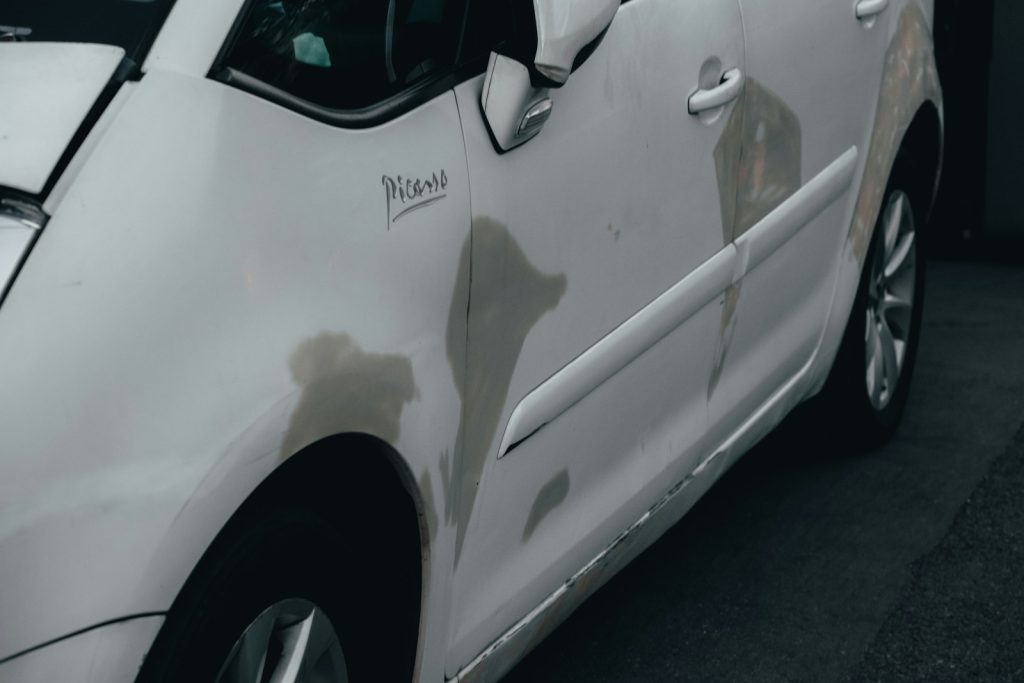
Understanding the Basics of Car Paint Materials
To fully grasp how automotive paint performs, it helps to start with the fundamentals. At its core, car paint is a carefully balanced mixture of substances designed to bond with metal, resist environmental stress, and maintain visual appeal over time. Asking what is car paint materials essentially means understanding what ingredients make these properties possible.
Modern car paint typically consists of four main components: pigments, binders (resins), solvents, and additives. Each plays a specific role, and removing one would compromise the entire system. Unlike household paint, automotive coatings must endure extreme temperature changes, UV radiation, moisture, road debris, and chemical exposure from fuel or cleaning agents.
Automakers also design paint materials to comply with environmental regulations. Over the last two decades, solvent levels have been reduced significantly, and water-based paints are now standard in many factories. This evolution reflects both performance demands and sustainability goals.
Core Components of Automotive Paint
Each component in car paint materials contributes to performance and appearance in a measurable way:
- Pigments define color and opacity, influencing how vibrant or deep the paint looks.
- Binders act as the backbone, holding pigments together and bonding them to the car surface.
- Solvents control viscosity, allowing the paint to be sprayed evenly before evaporating.
- Additives improve properties such as UV resistance, scratch tolerance, and drying speed.
A typical factory paint system uses between 3 and 6 different additives, depending on climate requirements and brand standards. This fine-tuning is one reason two cars with the same color code can still look slightly different in real life.
Types of Car Paint Materials Used in the Automotive Industry
Automotive paint materials vary depending on usage, budget, and performance expectations. When discussing what is car paint materials, it is important to recognize that not all paints are created equal. Manufacturers and repair shops select paint types based on durability, cost efficiency, and finishing quality.
The most common types include acrylic, urethane, enamel, and water-based paints. Each type has distinct characteristics that affect application and longevity. In factory settings, multi-layer systems are standard, while aftermarket repairs may use simplified alternatives.
Choosing the right paint material is not only about color preference. It directly impacts resistance to fading, ease of repair, and even insurance repair costs. Premium paint systems can add several hundred dollars to a vehicle’s production cost but often pay off through longer service life.
Common Automotive Paint Systems Explained
Modern vehicles typically use layered paint systems rather than a single coat. These systems may include:
- Electrocoat (E-coat) primer for corrosion protection
- Primer surfacer to smooth imperfections
- Base coat for color and visual effect
- Clear coat for gloss and protection
Each layer is engineered to interact chemically with the next. For example, the clear coat alone can be 40 to 50 microns thick and provides up to 80% of UV protection. Without it, even the most vibrant base color would fade within a few years.
How Car Paint Materials Work on a Vehicle Surface
Understanding what is car paint materials also involves knowing how they function once applied. Paint does not simply sit on the surface; it undergoes chemical bonding and curing processes that transform it into a durable protective layer.
When paint is sprayed, solvents begin to evaporate almost immediately. This allows binders to cross-link, forming a solid film that locks pigments in place. In factory environments, curing ovens heat vehicles to temperatures between 140°C and 160°C, ensuring consistent hardness and adhesion.
This curing process is crucial. Improper curing can lead to peeling, dullness, or micro-cracking within months. That is why professional paint booths carefully control temperature, humidity, and airflow during application.
The Role of Adhesion and Curing
Adhesion determines how well paint sticks to metal or plastic panels. Car paint materials are formulated with adhesion promoters that chemically interact with substrates. This is especially important for modern vehicles that use aluminum or composite body parts.
Curing, on the other hand, defines the final strength of the paint film. Some aftermarket paints cure at room temperature over 24 to 48 hours, while factory paints achieve full cure in under an hour due to controlled heat cycles. The difference directly affects durability and gloss retention.
Benefits of High-Quality Car Paint Materials
One of the most practical reasons to understand what is car paint materials lies in the benefits they deliver over time. Quality paint materials do more than make a car look good on delivery day. They provide measurable long-term advantages.
High-grade automotive paint can protect a vehicle body for 10 to 15 years with minimal degradation. In contrast, lower-quality systems may show fading, oxidation, or clear coat failure in as little as five years, especially in hot or coastal climates.
These benefits also translate into higher resale value. According to used-car market data, vehicles with well-preserved original paint often sell for 5–10% more than comparable models with visible paint damage or mismatched repairs.
Key Advantages for Owners and Manufacturers
The benefits of advanced car paint materials include:
- Enhanced corrosion resistance, especially in winter road salt conditions
- Improved UV stability, reducing color fade
- Easier cleaning due to smoother clear coat surfaces
- Better scratch resistance from ceramic-enhanced coatings
From a manufacturer’s perspective, durable paint reduces warranty claims and improves brand perception. From an owner’s perspective, it means fewer repainting costs and a car that ages more gracefully.
Environmental and Safety Considerations in Modern Paint Materials
As the automotive industry evolves, environmental impact has become a central concern. Exploring what is car paint materials today also means looking at how these materials are produced and regulated.
Many regions now restrict volatile organic compounds (VOCs) in automotive paints. Water-based base coats can reduce VOC emissions by up to 70% compared to traditional solvent-based systems. This shift benefits factory workers, surrounding communities, and the environment.
Safety improvements extend beyond emissions. Modern paint materials are designed to be less toxic during application, reducing health risks for technicians. Protective equipment is still essential, but exposure levels are significantly lower than they were two decades ago.
Industry Trends Toward Sustainability
Automakers are investing heavily in sustainable coatings, including bio-based resins and low-energy curing technologies. Some manufacturers report energy savings of up to 30% by optimizing paint shop processes alone.
These innovations show that paint materials are no longer just an aesthetic choice. They are part of a broader strategy to reduce environmental impact without sacrificing performance.
Maintenance and Longevity of Car Paint Materials
Once paint is applied, proper care determines how long it performs as intended. Understanding what is car paint materials helps owners make better maintenance decisions that preserve both appearance and protection.
Regular washing removes contaminants that can degrade clear coats over time. Experts generally recommend washing every two weeks and applying protective wax or sealant every three to six months. Ceramic coatings, while more expensive, can extend protection for two to five years.
Ignoring maintenance accelerates wear. Dirt particles can act like sandpaper, and bird droppings or tree sap can permanently etch into the clear coat if left untreated.
Practical Care Tips for Long-Term Results
To extend the life of car paint materials, owners should:
- Use pH-neutral car shampoos
- Avoid automatic washes with abrasive brushes
- Park in shaded areas when possible
- Address chips or scratches early to prevent rust
These habits may seem minor, but over a decade of ownership, they can make a visible difference.
Experience from the Field: A Professional Perspective
Our team has spent years covering automotive production facilities, body repair workshops, and detailing studios. Through direct observation and hands-on involvement, we have seen how understanding what is car paint materials impacts real-world outcomes.
In one factory visit, a minor adjustment in curing temperature reduced paint defects by nearly 15%. In repair shops, we observed that vehicles repainted with lower-grade materials often returned within two years for corrective work. These experiences highlight that paint quality is not theoretical; it directly affects costs, customer satisfaction, and long-term durability.
This perspective reinforces the importance of informed choices, whether you are a manufacturer, technician, or car owner evaluating repaint options.
Conclusion
Car paint is far more than a decorative layer. It is a sophisticated system engineered to protect, preserve, and enhance a vehicle throughout its life. By understanding what is car paint materials, you gain insight into how cars resist corrosion, maintain their appearance, and retain value over time.
From core components and application processes to environmental considerations and maintenance practices, paint materials influence nearly every aspect of a vehicle’s exterior performance. Investing in quality paint and proper care is not just about aesthetics; it is about long-term reliability and cost efficiency.
As automotive technology continues to evolve, paint materials will remain a critical element of vehicle design, quietly working behind the scenes to ensure cars look good and last longer on the road.
Also Read: How to Blend Automotive Touch-Up Paint