
When drivers think about comfort and stability, they often focus on tires or steering. However, one critical component works quietly behind the scenes to keep every ride smooth and controlled: the shock absorber. Many car owners ask, what do shock absorbers do in a car, especially when they begin noticing changes in ride quality or handling.
Shock absorbers are part of the suspension system, and their primary job is to control movement. Without them, your vehicle would continue bouncing after every bump, dip, or pothole. They ensure that the tires stay in contact with the road surface, which directly affects safety and braking performance.
Understanding what do shock absorbers do in a car helps drivers appreciate their importance beyond comfort. These components play a major role in stability, steering precision, and overall vehicle control. In this comprehensive guide, we will explore how shock absorbers work, why they matter, signs of failure, and when to replace them.
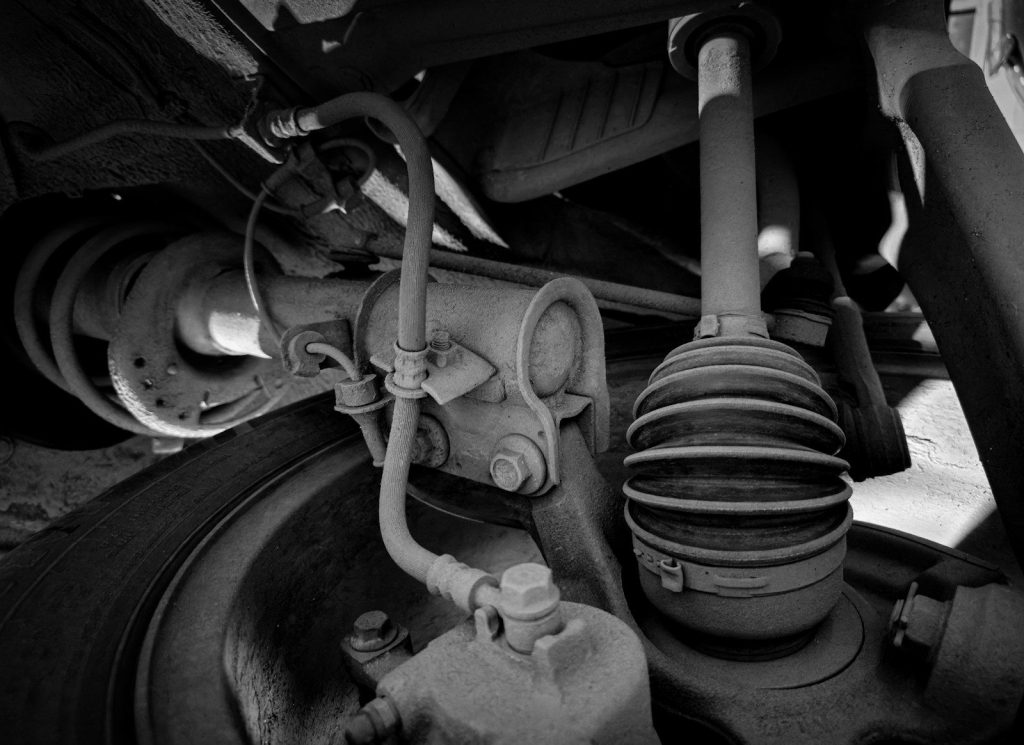
The Basic Function of Shock Absorbers
To fully understand what do shock absorbers do in a car, it’s important to distinguish them from springs. Springs support the vehicle’s weight and absorb initial impact from road irregularities. However, springs alone would cause continuous bouncing.
Shock absorbers control the motion of springs by converting kinetic energy into heat energy. Inside each shock absorber is hydraulic fluid and a piston. When the suspension moves, the piston forces fluid through small valves, creating resistance.
This resistance slows down the movement of the spring. As a result, the vehicle stabilizes quickly after hitting a bump. Without shocks, the car would feel unstable and difficult to control.
In simple terms, if springs absorb energy, shock absorbers manage it. That balance explains what do shock absorbers do in a car at a mechanical level.
How Shock Absorbers Improve Driving Stability
Shock absorbers influence much more than comfort. They directly impact vehicle stability in various driving conditions.
1. Maintaining Tire Contact
One of the most important answers to what do shock absorbers do in a car involves tire grip. When a car hits uneven pavement, the suspension moves up and down.
If shocks are worn out, tires may momentarily lose contact with the road. This reduces traction and increases stopping distance.
Maintaining constant tire contact improves braking efficiency and cornering stability. It also enhances control during sudden maneuvers.
2. Reducing Body Roll
When turning at moderate or high speeds, the vehicle naturally leans toward the outside of the turn. Shock absorbers work with sway bars to minimize this body roll.
Excessive leaning can make the vehicle feel unstable. Properly functioning shocks help keep the car balanced and predictable.
3. Controlling Nose Dive and Squat
During hard braking, weight shifts forward. During acceleration, it shifts backward. Worn shocks exaggerate these movements, causing nose dive or rear squat.
By controlling these weight transfers, shocks improve safety and driver confidence.
These stability benefits clearly demonstrate what do shock absorbers do in a car beyond simple ride comfort.
The Internal Working Mechanism
Understanding the internal structure clarifies what do shock absorbers do in a car from a technical perspective.
Hydraulic Design
Most standard shock absorbers use hydraulic fluid to create resistance. As the piston moves within the cylinder, fluid flows through calibrated valves.
This process generates controlled resistance, slowing suspension movement. The fluid also dissipates heat created during compression and rebound cycles.
Gas-Charged Shocks
Modern vehicles often use gas-charged shock absorbers. These include nitrogen gas to reduce fluid foaming and maintain consistent performance.
Gas-charged shocks respond faster and provide firmer control, especially at higher speeds.
Twin-Tube vs. Monotube
There are two common shock designs:
- Twin-tube shocks: More affordable and commonly used in passenger vehicles
- Monotube shocks: Offer better heat dissipation and performance, often found in sportier models
Each design supports the same goal, reinforcing what do shock absorbers do in a car regardless of vehicle type.
Signs That Shock Absorbers Are Worn
Like any mechanical component, shock absorbers wear out over time. Most last between 50,000 and 100,000 miles, depending on driving conditions.
Excessive Bouncing
If your vehicle continues bouncing after hitting a bump, the shocks may no longer control spring motion effectively.
A simple bounce test can help identify this issue. Push down firmly on the car’s hood and release. If it bounces more than two or three times, inspection is recommended.
Uneven Tire Wear
Cupped or scalloped tire wear often indicates worn shocks. Because the tires lose consistent road contact, tread wears unevenly.
Replacing tires prematurely can cost $500 to $1,200. Addressing suspension issues early prevents additional expenses.
Fluid Leaks
Visible oil leakage from the shock body suggests internal seal failure. Leaking shocks lose damping ability and should be replaced promptly.
These warning signs further clarify what do shock absorbers do in a car by showing what happens when they fail.
The Safety Impact of Faulty Shock Absorbers
Shock absorbers directly affect braking and steering performance. Studies show that worn shocks can increase stopping distance by up to 20 percent under certain conditions.
For example, if a vehicle normally stops in 130 feet at highway speeds, worn shocks could add more than 25 additional feet. That difference may determine whether an accident occurs.
Poorly functioning shocks also reduce effectiveness of advanced safety systems such as anti-lock brakes (ABS) and electronic stability control (ESC).
When considering what do shock absorbers do in a car, safety is one of their most important contributions.
Cost of Replacement and Maintenance
Replacing shock absorbers is not inexpensive, but it is necessary for safety and performance.
On average:
- Standard shock replacement: $300 to $800 per axle
- High-performance shocks: $800 to $1,500 per axle
Labor costs vary depending on vehicle design. Some vehicles use strut assemblies, which integrate shocks and structural support, increasing replacement costs.
Routine inspection during tire rotation or annual servicing helps detect issues early. Proactive replacement often prevents additional suspension damage.
Understanding maintenance costs adds practical context to what do shock absorbers do in a car over the long term.
Shock Absorbers vs. Struts: What’s the Difference?
Many drivers confuse shocks and struts. While they serve similar functions, struts are structural components that integrate into the suspension system.
Struts support the vehicle’s weight and often include a coil spring. Shock absorbers focus solely on damping motion.
Both contribute to ride quality and stability. However, replacing struts typically costs more due to their structural role.
Knowing this distinction helps clarify what do shock absorbers do in a car compared to other suspension components.
Real-World Observations from Automotive Testing
Our editorial team has spent time evaluating suspension systems during road testing and automotive feature coverage. In controlled driving scenarios across city streets, highways, and uneven rural roads, the difference between fresh and worn shock absorbers became immediately noticeable.
Vehicles with new shocks maintained consistent road contact and felt stable during sudden braking. In contrast, cars with worn shocks exhibited increased body movement and longer stopping distances. These firsthand observations reinforced how critical damping control is to everyday driving safety and comfort.
Such experiences highlight the real-world importance behind the question, what do shock absorbers do in a car.
How Driving Habits Affect Shock Lifespan
Driving style significantly impacts shock durability. Aggressive driving over potholes, speed bumps, or rough terrain accelerates wear.
Heavy loads also strain suspension components. Vehicles frequently carrying cargo or towing may require earlier replacement.
To extend shock lifespan:
- Slow down before speed bumps
- Avoid potholes when possible
- Maintain proper tire pressure
- Schedule regular suspension inspections
These habits support optimal performance and answer the practical side of what do shock absorbers do in a car over time.
Conclusion
Shock absorbers are essential to vehicle stability, safety, and comfort. They control spring motion, maintain tire contact with the road, and minimize excessive body movement during acceleration, braking, and cornering.
Understanding what do shock absorbers do in a car provides valuable insight into how your vehicle maintains balance and control. From improving braking performance to enhancing steering precision, their role extends far beyond smoothing out bumps.
Regular inspection and timely replacement ensure your suspension system continues functioning properly. While often overlooked, shock absorbers are a vital investment in both driving comfort and safety.
By recognizing their importance and monitoring signs of wear, drivers can maintain optimal performance and avoid costly repairs. In every sense, shock absorbers are fundamental to a stable and confident driving experience.
Also Read: Understanding About Car Suspension Functions