
Choosing the right car paint is not just about color. It affects durability, maintenance, cost, and even resale value. Many vehicle owners focus on aesthetics, but professionals know that paint chemistry plays a much bigger role in long-term satisfaction. Understanding the Types of Car Paint available today helps you make a smarter, more cost-effective decision.
Modern automotive coatings have evolved significantly over the past few decades. From traditional solvent-based formulas to environmentally friendly options, each paint type has its own strengths and limitations. This article breaks down acrylic, urethane, and water-based paints in a clear and practical way, so you can choose with confidence.
Whether you are restoring a classic car, repainting a daily driver, or simply curious about how automotive finishes work, this guide will give you a complete and realistic overview.
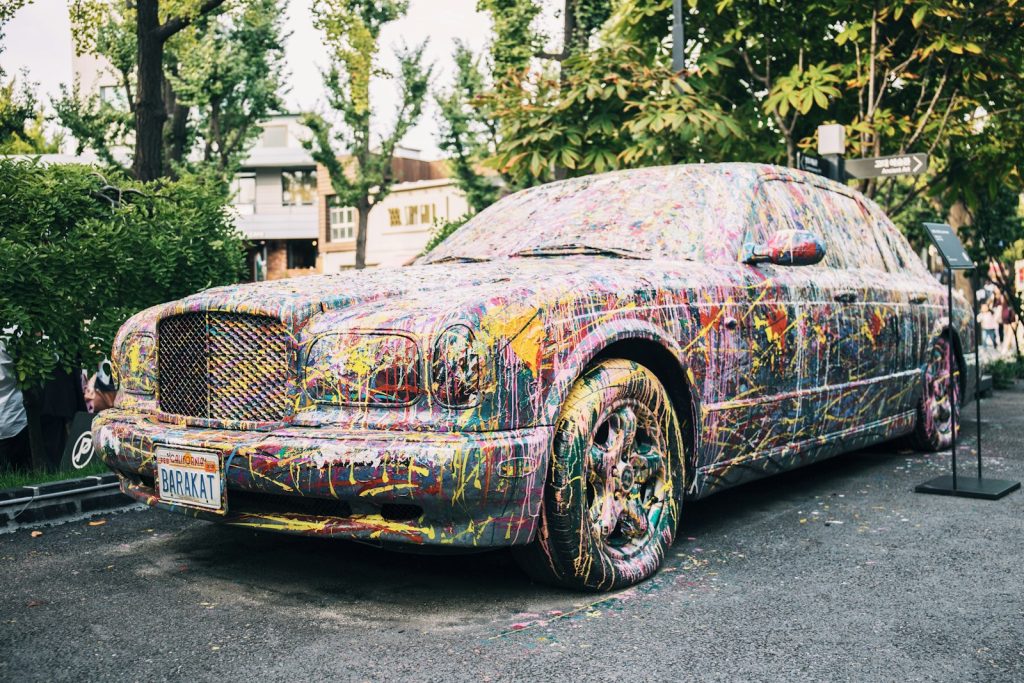
Understanding Automotive Paint Systems
Before comparing specific paint materials, it is important to understand how automotive paint systems function as a whole. A car’s finish is not just one layer sprayed onto metal. It is a multi-layer system designed to protect, enhance appearance, and withstand harsh conditions.
A typical automotive paint system includes:
- Primer for adhesion and corrosion resistance
- Basecoat for color and visual depth
- Clear coat for gloss, UV protection, and durability
When people talk about different Types of Car Paint, they are usually referring to the basecoat material. However, the interaction between layers determines the final result.
Environmental exposure is another critical factor. Sunlight, rain, road salt, and temperature changes all impact how long a paint job lasts. The chemistry behind each paint type determines how well it resists fading, cracking, or peeling over time.
Acrylic Car Paint: Traditional and Cost-Effective
What Is Acrylic Car Paint?
Acrylic paint was once the standard in automotive refinishing. It is a solvent-based paint that dries quickly and provides a smooth, glossy finish. For decades, it was widely used by manufacturers and body shops due to its simplicity and affordability.
There are two common acrylic variants: acrylic enamel and acrylic lacquer. Enamel hardens through chemical curing, while lacquer dries through solvent evaporation. Both have similar visual qualities but differ in durability.
Advantages of Acrylic Paint
Acrylic paint remains popular for certain applications because it offers several benefits:
- Lower material cost compared to modern alternatives
- Easy application with basic spray equipment
- Fast drying time, often within a few hours
For hobbyists or classic car enthusiasts working on a budget, acrylic can still be appealing. Touch-ups are also relatively easy because the paint blends well.
Limitations and Real-World Performance
Despite its benefits, acrylic paint has notable drawbacks. It is less resistant to UV exposure and chemicals, which means fading can occur within 3–5 years under daily use. It also requires more frequent polishing to maintain shine.
From a long-term ownership perspective, acrylic paint is best suited for vehicles that are stored indoors or driven occasionally rather than daily commuters.
Urethane Car Paint: Professional-Grade Durability
Why Urethane Dominates Modern Auto Painting
Urethane paint is the industry standard for modern automotive refinishing. It offers superior durability, chemical resistance, and color stability. Most professional body shops rely on urethane systems for both repairs and full repaints.
When comparing Types of Car Paint, urethane consistently ranks highest for performance. It uses a two-part system that chemically hardens once mixed, creating a strong and resilient finish.
Key Benefits of Urethane Paint
Urethane paint provides several advantages that justify its higher cost:
- Excellent resistance to UV rays and weathering
- Long lifespan, often 10 years or more with proper care
- High gloss retention with minimal maintenance
In practical terms, a urethane paint job can handle daily driving, frequent washing, and exposure to harsh climates far better than older paint systems.
Cost and Application Considerations
Urethane paint is more expensive than acrylic. Material costs alone can range from $150 to $300 per gallon, not including clear coat or labor. Application also requires proper safety equipment due to toxic fumes during spraying.
However, the long-term value is often higher. Fewer repaints and reduced maintenance can offset the initial investment over time.
Water-Based Car Paint: Eco-Friendly Innovation
The Rise of Water-Based Paint Technology
Water-based automotive paint has gained popularity due to stricter environmental regulations. Unlike solvent-based paints, it uses water as the primary carrier, significantly reducing volatile organic compounds (VOCs).
Among the modern Types of Car Paint, water-based options represent the industry’s push toward sustainability without sacrificing quality.
Performance and Finish Quality
Early versions of water-based paint struggled with coverage and durability. Modern formulations, however, have improved dramatically. When paired with a high-quality clear coat, water-based paint can rival urethane in appearance.
Key performance characteristics include:
- Faster flash times between coats
- Reduced environmental impact
- Excellent color accuracy, especially for metallics
Major automotive manufacturers now use water-based systems at the factory level, proving their reliability on a large scale.
Practical Challenges
Water-based paint is sensitive to humidity and temperature during application. Professional spray booths with controlled airflow are often necessary. For DIY painters, this can be a significant barrier.
Despite these challenges, water-based paint continues to grow as regulations and technology advance.
Comparing Acrylic, Urethane, and Water-Based Paints
When choosing between the main Types of Car Paint, the decision should be based on usage, budget, and expectations rather than trends alone. Each paint type serves a specific purpose.
Acrylic is ideal for classic restorations or low-budget projects. Urethane is best for long-term durability and professional results. Water-based paint suits environmentally conscious operations and modern repair facilities.
Durability differences are particularly important. Acrylic may last 3–5 years, water-based systems typically last 7–10 years, and urethane can exceed a decade with proper care.
Application, Maintenance, and Longevity Factors
Preparation Makes the Difference
Regardless of paint type, surface preparation determines the final outcome. Proper sanding, cleaning, and priming account for nearly 70% of paint job success. Even the best materials will fail on poorly prepared surfaces.
This is often overlooked when discussing Types of Car Paint, but it is one of the most critical factors in real-world performance.
Maintenance Expectations
Paint longevity depends heavily on maintenance habits. Regular washing, avoiding harsh chemicals, and applying wax or sealant every 4–6 months can extend the life of any finish.
Urethane and water-based paints require less frequent polishing, while acrylic benefits from regular attention to maintain gloss.
Climate and Usage Impact
Vehicles exposed to intense sunlight, coastal air, or heavy road salt experience faster paint degradation. In these conditions, more durable paint systems offer better long-term value despite higher upfront costs.
Industry Experience and Practical Insights
Our team has spent years covering automotive refinishing projects, working alongside body shops and restoration specialists. We have seen firsthand how different Types of Car Paint perform under real conditions, from showroom builds to daily-driven vehicles.
In practice, most repaint failures are not caused by paint choice alone. Poor preparation, rushed application, and inadequate curing time are the real culprits. Vehicles painted with mid-range materials but careful technique often outlast expensive paint jobs done improperly.
This experience reinforces one key lesson: the right paint matters, but craftsmanship matters more.
Conclusion
Choosing among the various Types of Car Paint requires balancing performance, cost, and environmental considerations. Acrylic offers affordability and simplicity, urethane delivers unmatched durability, and water-based paint represents the future of eco-conscious automotive finishing.
There is no universal best option. The right choice depends on how the vehicle is used, how long you plan to keep it, and the level of finish you expect. By understanding how each paint type behaves in real-world conditions, you can invest wisely and enjoy lasting results.
A well-informed decision today can save years of maintenance and thousands in repaint costs down the road.
Also Read: What Is Car Paint? Types, Varieties, and Maintenance Explained in Detail