
A well-maintained vehicle is more than just a source of pride—it’s a critical investment in safety, reliability, and long-term value. As automotive technology evolves, so do the demands and opportunities for effective car care.
Whether you drive a gasoline-powered sedan, a hybrid SUV, or the latest electric vehicle, understanding the essentials of maintenance is the key to maximizing performance and minimizing costly repairs.
This comprehensive Car Maintenance Guide is designed to empower drivers with actionable knowledge, from the engine bay to the exterior finish, ensuring your vehicle remains dependable, efficient, and safe for years to come.
In this guide, you’ll discover the latest best practices for engine care, transmission and drivetrain maintenance, brake system safety, tire longevity, battery health, fluid and filter management, and both interior and exterior detailing.
We’ll also explore the impact of advanced driver assistance systems (ADAS), seasonal maintenance strategies, and the critical decision of when to tackle a job yourself versus seeking professional service. Drawing on expert insights and real-world experience, this Car Maintenance Guide provides a holistic approach to vehicle care, tailored for the demands of 2026 and beyond.

Engine Maintenance: The Heart of Your Car
Why Engine Maintenance Matters
The engine is the core of your vehicle’s performance and longevity. Regular maintenance not only ensures smooth operation but also prevents catastrophic failures that can lead to expensive repairs or even total engine replacement. In modern vehicles—especially those with turbocharged or hybrid powertrains—engine care is more critical than ever.
Oil Changes: Frequency, Types, and Best Practices
Engine oil lubricates moving parts, reduces friction, and helps dissipate heat. Over time, oil degrades and accumulates contaminants, risking sludge buildup and accelerated wear. For most 2026 vehicles, synthetic oil is recommended, with change intervals typically ranging from 5,000 to 10,000 miles or every 6–12 months, depending on driving conditions and manufacturer guidelines.
- Synthetic Oil: Offers superior protection and longer intervals but should not be stretched beyond what your owner’s manual recommends.
- Severe Service: If you drive in stop-and-go traffic, tow heavy loads, or make frequent short trips, follow the severe service schedule—often half the standard interval.
- Oil Life Monitors: Many modern cars use oil life monitoring systems that factor in temperature, trip length, and engine load. Trust these systems, but err on the side of caution if you notice dark, gritty oil or increased engine noise.
Pro Tip: Always replace the oil filter with every oil change to prevent contaminants from circulating back into the engine.
Air and Cabin Filters: Breathing Easy
The engine air filter ensures clean airflow, supporting combustion and protecting internal components. Replace it every 15,000–30,000 miles, or sooner in dusty environments. A clogged filter can reduce fuel efficiency and power.
The cabin air filter improves interior air quality and HVAC performance. Change it annually or every 12,000–15,000 miles, especially if you drive in urban or high-pollen areas.
Belts, Hoses, and Cooling System
Inspect serpentine belts and hoses for cracks, glazing, or swelling at every oil change. Replace belts every 60,000–100,000 miles. The cooling system should be checked biannually, with coolant flushed every 5 years or as specified by the manufacturer. Overheating remains a leading cause of engine failure, so never ignore coolant leaks or temperature warnings.
Spark Plugs and Ignition
Replace spark plugs according to your vehicle’s schedule—typically every 40,000–120,000 miles, depending on the type. Worn plugs can cause misfires, poor acceleration, and increased emissions.
Summary Table: Engine Maintenance Intervals
| Component | Recommended Interval | Notes |
|---|---|---|
| Engine Oil | 5,000–10,000 miles / 6–12 mo | Synthetic preferred; severe service = sooner |
| Oil Filter | Every oil change | Use OEM or high-quality aftermarket |
| Air Filter | 15,000–30,000 miles | More often in dusty areas |
| Cabin Filter | 12,000–15,000 miles / 1 yr | Annually or as needed |
| Belts/Hoses | Inspect every oil change | Replace belts at 60,000–100,000 miles |
| Coolant | Flush every 5 years | Check level biannually |
| Spark Plugs | 40,000–120,000 miles | Follow manufacturer specs |
Detailed Explanation:
Regular engine maintenance is the foundation of any Car Maintenance Guide. Synthetic oil’s superior stability and resistance to breakdown allow for longer intervals, but real-world conditions—such as short trips, extreme temperatures, or heavy loads—can accelerate oil degradation. Always check your owner’s manual for the correct oil grade and interval, and don’t rely solely on oil life monitors, which may be overly optimistic. Air and cabin filters are inexpensive yet vital for both engine health and passenger comfort. Neglecting belts, hoses, or coolant can lead to overheating, loss of power steering, or sudden breakdowns. Spark plugs, though often overlooked, are essential for efficient combustion and should be replaced before misfires or rough idling occur.
Transmission and Drivetrain Care
The Role of Transmission Maintenance
Your vehicle’s transmission is responsible for transferring engine power to the wheels. Whether automatic, manual, CVT, or dual-clutch, proper maintenance is essential for smooth shifting and long-term reliability. Transmission repairs are among the most expensive automotive fixes, making preventive care a top priority.
Fluid Changes: Intervals and Warning Signs
- Automatic Transmission Fluid (ATF): Change every 30,000–60,000 miles for most vehicles, or as specified by the manufacturer. Some newer transmissions are “sealed for life,” but even these benefit from periodic fluid checks and changes, especially under severe conditions.
- CVT Fluid: Continuously Variable Transmissions require specialized fluid, typically changed every 30,000–60,000 miles. Delaying service can lead to slipping, overheating, or total failure.
- Manual Transmission Fluid: Replace every 30,000–60,000 miles. Use only the fluid type recommended in your owner’s manual.
Warning Signs:
Delayed or harsh shifting, slipping gears, whining noises, or transmission warning lights all indicate potential problems. Address these immediately to avoid catastrophic damage.
Drivetrain and Differential Service
For all-wheel-drive (AWD) and four-wheel-drive (4WD) vehicles, differential and transfer case fluids should be changed every 30,000–60,000 miles. Neglecting these can lead to gear wear, noise, and eventual failure.
Summary Table: Transmission and Drivetrain Maintenance
| Component | Recommended Interval | Notes |
|---|---|---|
| ATF (Automatic) | 30,000–60,000 miles | Severe service = shorter interval |
| CVT Fluid | 30,000–60,000 miles | Use only CVT-specific fluid |
| Manual Transmission | 30,000–60,000 miles | Check for leaks, use correct fluid |
| Differential/Transfer | 30,000–60,000 miles | AWD/4WD systems only |
Detailed Explanation:
Transmission fluid degrades over time due to heat, friction, and contamination. Even “lifetime” fluids lose effectiveness, especially in demanding conditions. Regular fluid changes maintain smooth operation, prevent overheating, and extend component life. For CVTs and dual-clutch systems, using the correct fluid is critical—never substitute with standard ATF. AWD and 4WD vehicles require additional attention to differentials and transfer cases, as neglected fluids can lead to expensive repairs and compromised traction.
Brake System Maintenance and Safety Checks
Why Brake Maintenance Is Non-Negotiable
Brakes are your vehicle’s most critical safety system. Regular inspection and timely replacement of brake pads, rotors, and fluid ensure reliable stopping power and prevent accidents. In 2026, many vehicles feature regenerative braking (especially hybrids and EVs), which can extend pad life but does not eliminate the need for regular checks.
Pads, Rotors, and Fluid: What to Inspect and When
- Brake Pads: Inspect every 10,000–15,000 miles; replace when thickness drops below 3–4mm. Squealing, grinding, or pulsing pedals are warning signs.
- Rotors: Check for grooves, warping, or excessive wear during pad replacement. Replace or resurface as needed.
- Brake Fluid: Flush every 2–3 years or 30,000 miles. Brake fluid absorbs moisture, which can corrode components and reduce braking effectiveness.
DIY Tip:
You can visually inspect pads through the wheel spokes and listen for unusual noises. However, hydraulic work, ABS repairs, and fluid flushes are best left to professionals.
Summary Table: Brake System Maintenance
| Component | Recommended Interval | Notes |
|---|---|---|
| Brake Pads | Inspect 10,000–15,000 miles | Replace at 3–4mm thickness |
| Rotors | With pad replacement | Replace/resurface if warped or grooved |
| Brake Fluid | 2–3 years / 30,000 miles | Moisture reduces effectiveness |
Detailed Explanation:
Brake pads wear faster in city driving or when towing. Ignoring warning signs can lead to rotor damage, increased stopping distances, or total brake failure. Brake fluid is hygroscopic, meaning it absorbs moisture over time, lowering its boiling point and risking vapor lock under hard braking. Regular fluid flushes maintain pedal feel and system reliability. For vehicles with regenerative braking, pad wear may be slower, but regular inspections remain essential.
Tire Care: Pressure, Rotation, Alignment, and Replacement
The Importance of Tire Maintenance
Tires are your car’s only contact with the road. Proper care ensures safety, optimal handling, fuel efficiency, and even wear. Neglecting tire maintenance can lead to blowouts, poor traction, and increased stopping distances.
Pressure, Tread, and Rotation
- Pressure: Check monthly with a digital gauge when tires are cold. Inflate to the PSI listed on the door jamb sticker (typically 32–35 PSI). Underinflated tires increase rolling resistance and wear; overinflated tires reduce grip.
- Tread Depth: Use the penny test—if Lincoln’s head is visible, replace the tire. The legal minimum is 2/32 inch, but replacement at 4/32 inch is safer for wet conditions.
- Rotation: Rotate every 5,000–8,000 miles to ensure even wear. Follow the pattern recommended for your drivetrain (FWD, RWD, AWD).
Alignment and Balancing
- Alignment: Check annually or after hitting potholes. Misalignment causes uneven wear and pulling.
- Balancing: Address vibrations or after tire replacement.
Replacement and Seasonal Considerations
Replace tires when tread is below 2/32 inch, sidewalls are cracked, or you notice persistent vibration. In regions with snow or ice, switch to winter tires when temperatures drop below 45°F for superior grip and safety.
Summary Table: Tire Care
| Task | Recommended Interval | Notes |
|---|---|---|
| Pressure Check | Monthly | Use digital gauge, check when cold |
| Tread Depth | Monthly | Replace at 2/32 inch (4/32 for safety) |
| Rotation | 5,000–8,000 miles | Follow drivetrain-specific pattern |
| Alignment | Annually or as needed | After potholes or uneven wear |
| Replacement | As needed | Cracks, bulges, or worn tread |
Detailed Explanation:
Proper tire pressure maximizes fuel economy and extends tire life. Regular rotation prevents uneven wear, especially on FWD or AWD vehicles. Alignment and balancing are crucial after impacts or when new tires are installed. Seasonal tire changes are essential for safety in winter climates, as all-season tires harden and lose grip in cold weather. Always check the spare tire’s pressure and condition as well.
Battery and Electrical System Maintenance
12V and High-Voltage (HV) Battery Care
A healthy battery is essential for reliable starting and operation of your vehicle’s electrical systems. In EVs and hybrids, both the traditional 12V battery and the high-voltage (HV) battery require attention.
- 12V Battery: Lasts 3–5 years. Check voltage monthly (12.6V is fully charged), clean terminals, and inspect for corrosion. Replace if slow starts, dim lights, or swelling occur.
- HV Battery (EV/Hybrid): Can last 8–15 years with proper care. Maintain charge between 20–80%, avoid extreme temperatures, and follow manufacturer guidelines for charging.
Electrical System Checks
- Terminals: Keep clean and tight to prevent voltage drops.
- Alternator: Test charging system if you notice dimming lights or warning indicators.
- Accessories: Test all electrical features (windows, lights, infotainment) regularly.
DIY Tip:
Load testing a battery with a multimeter or load tester can reveal its true health. Many auto parts stores offer free battery testing.
Summary Table: Battery and Electrical Maintenance
| Component | Recommended Interval | Notes |
|---|---|---|
| 12V Battery | 3–5 years | Test monthly, replace if weak |
| HV Battery | 8–15 years (EV/Hybrid) | Maintain charge, avoid extremes |
| Terminals | Monthly | Clean and tighten |
| Alternator | As needed | Test if electrical issues arise |
Detailed Explanation:
Batteries are more likely to fail in extreme temperatures. Regular testing and terminal cleaning prevent unexpected breakdowns. For EVs, software updates may include battery management improvements—always keep your vehicle’s software current. If your car sits unused for extended periods, consider a battery maintainer to prevent deep discharge.
Fluids and Filters: Types, Intervals, and DIY Tips
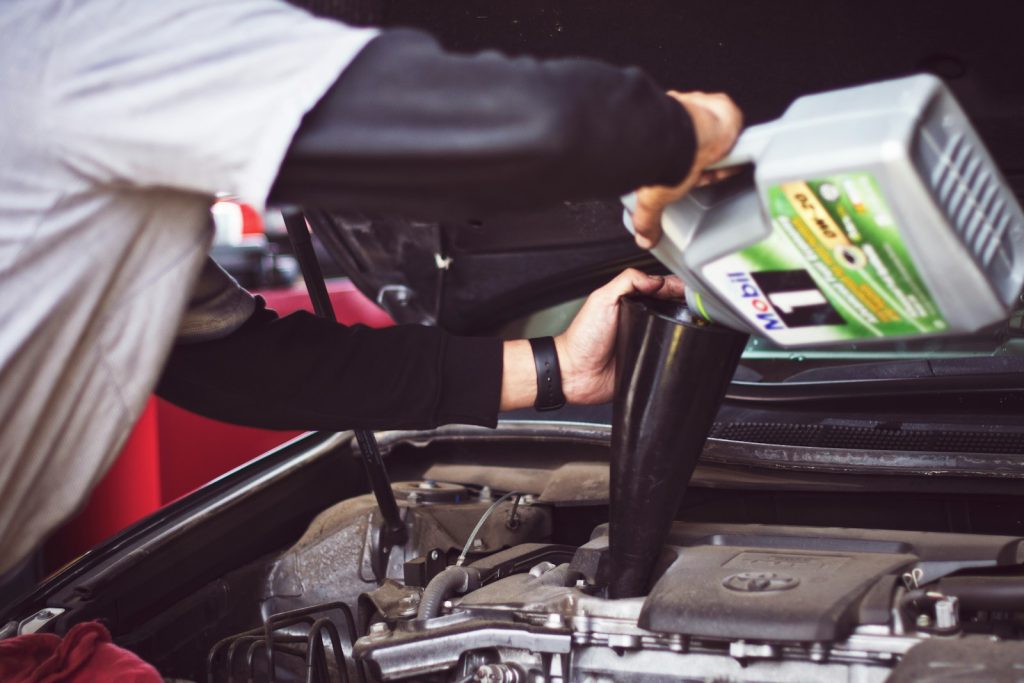
Essential Fluids and Their Functions
Your vehicle relies on a range of fluids for lubrication, cooling, and hydraulic operation. Each fluid has a specific replacement interval and function.
- Engine Oil: Lubricates and cools engine components.
- Coolant/Antifreeze: Regulates engine temperature and prevents freezing.
- Transmission Fluid: Enables smooth shifting and protects gears.
- Brake Fluid: Transfers hydraulic pressure for braking.
- Power Steering Fluid: Assists steering effort.
- Windshield Washer Fluid: Cleans windshield for visibility.
Replacement Intervals and Signs of Trouble
| Fluid | Recommended Interval | Signs of Trouble |
|---|---|---|
| Engine Oil | 5,000–10,000 miles / 6–12 mo | Dark, gritty, low level |
| Coolant/Antifreeze | 5 years / 50,000 miles | Overheating, low level, rusty color |
| Transmission Fluid | 30,000–60,000 miles | Slipping, harsh shifts, dark color |
| Brake Fluid | 2–3 years / 30,000 miles | Spongy pedal, dark fluid |
| Power Steering Fluid | 30,000 miles | Hard steering, noise, low level |
| Washer Fluid | As needed | Poor visibility, empty reservoir |
DIY Tips:
- Always use the fluid type specified in your owner’s manual.
- Check levels monthly and top off as needed.
- Never mix incompatible fluids (e.g., coolant types or brake fluid grades).
- Dispose of old fluids at approved recycling centers.
Detailed Explanation:
Fluids degrade over time due to heat, contamination, and moisture. Regular checks and timely replacement prevent system failures and costly repairs. For brake and power steering fluids, contamination can lead to corrosion and loss of hydraulic pressure. Coolant not only prevents overheating but also protects against internal corrosion. Transmission fluid is critical for both automatics and manuals—neglecting it can lead to expensive rebuilds.
Exterior Care and Detailing: Washing, Coatings, and Paint Protection
The Value of Exterior Maintenance
A clean, well-protected exterior not only enhances your vehicle’s appearance but also preserves its value and protects against environmental damage. Advances in detailing technology—such as ceramic and graphene coatings, and paint protection film (PPF)—offer long-term solutions for paint preservation.
Washing and Decontamination
- Regular Washing: Use pH-neutral car shampoo and soft mitts to avoid scratching. Wash every 1–2 weeks, especially in winter or after exposure to road salt.
- Decontamination: Clay bars or chemical decontaminants remove embedded contaminants for a smooth finish.
Protective Coatings
- Ceramic Coatings: Provide hydrophobic protection, UV resistance, and enhanced gloss. Last 2–5 years with proper care.
- Graphene Coatings: Offer superior durability, heat resistance, and anti-static properties. Can last 5–7 years and reduce water spotting.
- Paint Protection Film (PPF): A clear, self-healing film that protects against chips, scratches, and road debris. Ideal for high-impact areas or full-vehicle coverage.
Maintenance and Seasonal Considerations
- Waxing: Traditional waxes offer short-term protection and can be used as a maintenance layer over coatings.
- Rust Prevention: Regular undercarriage washes and application of rust inhibitors are essential in regions with road salt.
- Headlight Restoration: Cloudy headlights reduce visibility; restore with a kit or replace as needed.
Summary Table: Exterior Care Options
| Protection Type | Durability | Benefits | Cost Range |
|---|---|---|---|
| Wax | 1–3 months | Gloss, water beading | $10–$50 |
| Ceramic Coating | 2–5 years | Hydrophobic, UV, chemical resistance | $500–$2,000+ |
| Graphene Coating | 5–7 years | Enhanced durability, anti-static | $800–$2,500+ |
| PPF | 5–10 years | Impact, chip, and scratch protection | $1,500–$8,000+ |
Detailed Explanation:
Regular washing prevents buildup of contaminants that can etch paint or cause rust. Ceramic and graphene coatings create a sacrificial layer that repels water, dirt, and UV rays, making cleaning easier and reducing the risk of swirl marks. PPF is the gold standard for physical protection, especially for new or high-value vehicles. Always use quality products and follow manufacturer instructions for application and maintenance.
Interior Care: Cabin Filters, Upholstery, and Sanitization
Why Interior Maintenance Matters
A clean, well-maintained interior enhances comfort, preserves resale value, and contributes to a healthier driving environment. Modern interiors feature a mix of materials—leather, fabric, vinyl, and plastics—each requiring specific care.
Cabin Air Filters and HVAC
Replace the cabin air filter annually or every 12,000–15,000 miles. A clogged filter reduces airflow, strains the HVAC system, and allows allergens and pollutants into the cabin.
Upholstery and Surface Care
- Vacuuming: Regularly vacuum seats, carpets, and floor mats to remove dirt and debris.
- Upholstery Cleaning: Use appropriate cleaners for fabric or leather. Condition leather seats every 3–6 months to prevent cracking.
- Vinyl and Plastic Protection: Apply UV-protectant sprays to dashboards and trim to prevent fading and cracking.
Sanitization and Odor Control
- Steam Cleaning: Kills bacteria and removes deep-seated odors.
- Antibacterial Treatments: Especially important for shared or high-use vehicles.
- Air Fresheners: Use sparingly; address the source of odors rather than masking them.
Summary Table: Interior Care Tasks
| Task | Recommended Interval | Notes |
|---|---|---|
| Cabin Filter Replace | 12,000–15,000 miles / 1 yr | More often in dusty/polluted areas |
| Vacuuming | Weekly | Focus on seats, carpets, mats |
| Leather Conditioning | 3–6 months | Prevents drying and cracking |
| Vinyl/Plastic Protect | 3–6 months | Use UV-protectant products |
| Deep Cleaning | Annually or as needed | Steam or professional service |
Detailed Explanation:
Interior maintenance is about more than aesthetics. Dust, pollen, and bacteria can accumulate in the HVAC system and on surfaces, affecting air quality and health. Regular filter changes and deep cleaning keep the cabin fresh and comfortable. UV-protectant sprays extend the life of dashboards and trim, while proper leather care maintains softness and prevents premature wear.
ADAS, Sensors, and Software Updates
The Rise of Advanced Driver Assistance Systems
Modern vehicles are equipped with a suite of Advanced Driver Assistance Systems (ADAS)—including lane-keeping assist, adaptive cruise control, automatic emergency braking, and parking sensors. These systems rely on cameras, radar, and ultrasonic sensors, all of which require precise calibration to function correctly.
When and Why Calibration Is Needed
- Windshield Replacement: Any time the windshield is replaced, ADAS cameras must be recalibrated to ensure accurate operation.
- Collision or Suspension Work: Even minor impacts or alignment changes can affect sensor positioning.
- Warning Lights or Malfunctions: If ADAS warning lights appear or features behave erratically, recalibration is required.
Professional Service Required:
ADAS calibration is a complex process involving specialized equipment and manufacturer-specific procedures. DIY attempts can compromise safety and void warranties.
Software Updates
Many vehicles now receive over-the-air (OTA) software updates that improve ADAS performance, battery management, and infotainment features. Always install updates promptly to benefit from the latest safety and efficiency improvements.
Summary Table: ADAS and Software Maintenance
| Task | When Required | Notes |
|---|---|---|
| ADAS Calibration | Windshield/sensor replacement, collision, alignment | Professional service only |
| Software Updates | As released by manufacturer | Improves safety and performance |
Detailed Explanation:
ADAS features are only as reliable as their calibration. Even a minor misalignment can cause systems to misinterpret the road, leading to false alarms or missed hazards. Professional calibration ensures that cameras and sensors are aimed correctly and communicating with the vehicle’s computer. Software updates often include critical safety improvements—never ignore update notifications.
Seasonal Maintenance and Emergency Preparedness
Adapting Maintenance to the Seasons
Seasonal changes bring unique challenges for vehicle maintenance. Preparing your car for winter, summer, or transitional periods reduces the risk of breakdowns and ensures safety in all conditions.
Winter Preparation
- Battery Test: Cold weather reduces battery capacity; replace if weak or over 4 years old.
- Coolant/Antifreeze: Ensure proper concentration to prevent freezing.
- Winter Tires: Install when temperatures drop below 45°F.
- Wiper Blades and Washer Fluid: Use winter-specific blades and freeze-resistant fluid.
- Emergency Kit: Include jumper cables, blankets, flashlight, shovel, sand/kitty litter, and snacks.
Summer Preparation
- A/C Service: Check refrigerant levels and cabin filter.
- Coolant Top-Up: Prevent overheating in high temperatures.
- Tire Pressure: Heat increases pressure; check more frequently.
- Inspect Belts and Hoses: Heat accelerates wear.
Spring/Fall
- Undercarriage Wash: Remove road salt and debris.
- Brake and Suspension Check: Address wear from winter conditions.
- Lighting Inspection: Ensure all bulbs are functional for shorter days.
Summary Table: Seasonal Maintenance Tasks
| Season | Key Tasks | Notes |
|---|---|---|
| Winter | Battery, coolant, tires, wipers, emergency kit | Prevents cold-weather breakdowns |
| Summer | A/C, coolant, tire pressure, belts/hoses | Prevents overheating |
| Spring | Undercarriage wash, brakes, suspension | Recovers from winter wear |
| Fall | Lighting, wipers, tire inspection | Prepares for shorter days, wet roads |
Detailed Explanation:
Seasonal maintenance addresses the specific stresses your vehicle faces throughout the year. Winter preparation focuses on cold-start reliability and traction, while summer care prevents overheating and ensures comfort. Emergency preparedness is essential year-round—always keep a well-stocked kit in your vehicle and update it seasonally.
DIY vs Professional Service: When to DIY and When to Hire
The DIY Advantage
Many routine maintenance tasks can be safely and effectively performed at home, saving money and building confidence in your vehicle’s care.
Tasks Suitable for DIY:
- Fluid checks and top-offs (oil, coolant, washer, brake)
- Tire pressure adjustment and tread inspection
- Air and cabin filter replacement
- Wiper blade and bulb replacement
- Battery terminal cleaning and basic 12V battery replacement
- OBD-II code reading for diagnostics
When to Seek Professional Help
Certain tasks require specialized tools, expertise, or carry safety and warranty implications. These are best left to certified technicians.
Tasks Best Left to Professionals:
- Brake hydraulic work, rotor replacement, ABS repairs
- Steering, suspension, and alignment
- Transmission and cooling system flushes
- Timing belt/chain and driveline service
- Electrical and safety systems (airbags, ADAS)
- Hybrid/EV high-voltage systems
Summary Table: DIY vs Professional Service
| Task Type | DIY-Friendly | Professional Only |
|---|---|---|
| Fluids/Filters | Oil, coolant, washer, air/cabin | Transmission, brake, power steering |
| Tires | Pressure, tread, rotation | Alignment, balancing, replacement |
| Brakes | Pad inspection, basic replace | Hydraulic, ABS, rotor work |
| Electrical | Battery, bulbs, OBD-II scan | ADAS, airbags, complex diagnostics |
| Engine/Drivetrain | Visual checks, spark plugs | Timing belt, driveline, major repairs |
Detailed Explanation:
DIY maintenance can reduce costs and increase your understanding of your vehicle. However, complex systems—especially those involving safety, high voltage, or precise calibration—should always be handled by professionals. Attempting these repairs without proper training can result in injury, further damage, or voided warranties.
Cost, Time, and Record-Keeping for Maintenance
Understanding Maintenance Costs
Annual maintenance costs vary by vehicle type, age, and usage. On average, expect to spend $600–$1,200 per year on routine maintenance for a mainstream vehicle, with luxury or high-performance models costing more. DIY can cut costs by up to 50%, but factor in the value of your time and the need for tools.
Typical Annual Maintenance Breakdown:
| Service | Average Cost (USD) |
|---|---|
| Oil Changes (2–3/year) | $100–$200 |
| Tire Rotation/Balance | $50–$100 |
| Brake Pads/Rotors | $300–$800 |
| Filters (air/cabin) | $40–$100 |
| Battery Replacement | $100–$200 (12V) |
| Unexpected Repairs | $100–$500 |
Time Investment
Routine checks (fluids, tires, lights) take 10–15 minutes monthly. Oil changes, filter replacements, and tire rotations can be completed in 30–60 minutes with basic tools.
Record-Keeping
Maintain a detailed log of all maintenance and repairs, including dates, mileage, parts used, and service provider. Accurate records support warranty compliance, enhance resale value, and help forecast upcoming expenses.
Record-Keeping Tips:
- Use a dedicated notebook, spreadsheet, or maintenance app.
- Keep receipts and invoices for all parts and services.
- Note any DIY work, including part numbers and intervals.
Detailed Explanation:
Budgeting for maintenance prevents surprises and allows for proactive care. Keeping thorough records not only protects your investment but also demonstrates responsible ownership to future buyers. Many digital tools and apps are available to streamline record-keeping and provide reminders for upcoming services.
Professional Perspective: Team Experience and Best Practices
As a professional car maintenance team with decades of hands-on experience, we’ve seen firsthand the difference that proactive, detail-oriented care makes in vehicle longevity and reliability. Our approach is rooted in a blend of technical expertise, continuous learning, and customer education.
Our Best Practices:
- Preventive Maintenance: We emphasize scheduled inspections and timely replacement of wear items to prevent breakdowns and costly repairs.
- Diagnostic Precision: Modern vehicles require advanced diagnostic tools and software. We invest in ongoing training and manufacturer certifications to stay current with the latest technologies.
- Transparent Communication: We believe in clear, honest communication with our clients—explaining not just what needs to be done, but why it matters for safety and performance.
- Quality Parts and Fluids: We use OEM or high-quality aftermarket parts and fluids, ensuring compatibility and long-term reliability.
- Safety First: From brake work to ADAS calibration, we never compromise on safety. Our technicians follow strict protocols and double-check critical systems.
- Continuous Improvement: We regularly review our processes, incorporate customer feedback, and stay updated on industry trends to deliver the best possible service.
By following these principles, we help our clients enjoy safer, more reliable vehicles and avoid the stress of unexpected repairs. Whether you’re a DIY enthusiast or prefer professional service, adopting a disciplined, informed approach to car maintenance pays dividends in peace of mind and long-term savings.
Conclusion
A comprehensive Car Maintenance Guide is your roadmap to safe, efficient, and enjoyable vehicle ownership. By understanding and implementing best practices for engine care, transmission and drivetrain maintenance, brake system safety, tire longevity, battery health, fluid and filter management, and both interior and exterior detailing, you can extend your car’s lifespan, enhance its performance, and protect its value.
Modern vehicles are more advanced than ever, but the fundamentals of maintenance remain timeless. Regular inspections, timely replacements, and attention to detail are the keys to avoiding costly repairs and ensuring your vehicle is always ready for the road ahead. Embrace a proactive approach, leverage professional expertise when needed, and keep meticulous records to maximize the benefits of your investment.
Whether you’re a seasoned DIYer or rely on trusted professionals, this Car Maintenance Guide equips you with the knowledge and confidence to care for your vehicle from engine to exterior. Drive safe, stay prepared, and enjoy the journey—your car will thank you for it.