
Your vehicle’s suspension system plays a critical role in safety, comfort, and overall driving performance. While many drivers focus on engines and brakes, suspension components quietly absorb shocks, stabilize handling, and keep your tires firmly planted on the road.
Over time, however, suspension parts wear out. When that happens, your car may feel unstable, noisy, or uncomfortable. Recognizing the signs car suspension needs replacement early can prevent costly repairs and dangerous driving conditions.
In this comprehensive guide, we will explore the most common warning symptoms, what they mean, how much repairs typically cost, and when it’s time to act. By understanding these indicators, you can protect your vehicle and ensure a smooth, controlled ride for years to come.
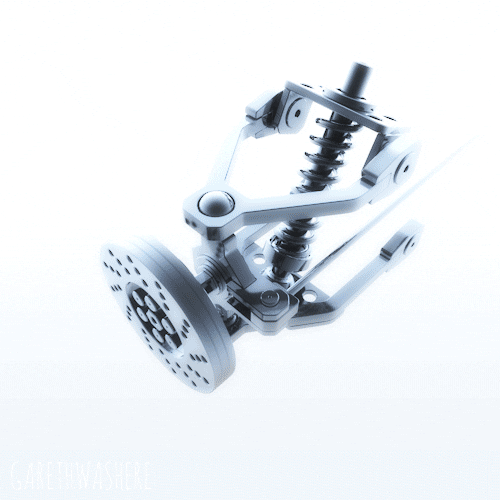
Uneven Ride Quality and Excessive Bouncing
One of the earliest and most noticeable signs car suspension needs replacement is a change in ride comfort. If your car no longer feels smooth over bumps, something may be wrong.
Modern suspension systems rely on shocks and struts to absorb road impacts. When these components wear out, they lose their ability to control movement effectively.
1. Excessive Bouncing After Hitting a Bump
A healthy suspension absorbs impact quickly. If your car continues bouncing two or three times after hitting a speed bump, worn shocks or struts are likely the culprit.
You can perform a simple bounce test at home. Push down firmly on one corner of the vehicle and release. If it continues to oscillate, the damping system may be failing.
2. Rough or Harsh Ride on Normal Roads
Another clear indication is when everyday driving feels unusually harsh. Roads you previously considered smooth may suddenly feel rough and unstable.
This symptom often points to worn struts or deteriorated bushings. Over time, rubber components harden or crack, reducing their ability to cushion vibrations.
3. Front-End Diving During Braking
If the front of your vehicle dips sharply when braking, your suspension may not be distributing weight properly. This issue reduces stopping stability and increases braking distance.
Excessive nose-diving is among the classic signs car suspension needs replacement, especially in vehicles with over 75,000 miles.
Ignoring these ride quality changes can affect not only comfort but also tire wear and steering control.
Unusual Noises Coming from the Suspension
Suspension systems should operate quietly. If you start hearing knocking, clunking, or squeaking sounds, your vehicle may be signaling internal wear.
Noises often develop gradually but become more pronounced over time.
1. Clunking Over Bumps
A clunking sound when driving over potholes or uneven surfaces often indicates worn ball joints, loose sway bar links, or damaged control arm bushings.
These parts connect key suspension components. When they loosen, metal parts may knock against each other.
2. Squeaking During Turns
High-pitched squeaks can result from dry or worn bushings. While not immediately dangerous, persistent squeaking suggests that parts are aging and losing flexibility.
3. Grinding or Rattling Noises
Grinding sounds may indicate severe wear in joints or mounts. Rattling could mean loose hardware or deteriorated mounting brackets.
These sounds are often overlooked, yet they remain reliable signs car suspension needs replacement if they persist despite tightening visible components.
Prompt inspection prevents minor issues from escalating into structural damage.
Uneven Tire Wear and Alignment Issues
Tires tell a story about your suspension health. When components fail, tire wear patterns change noticeably.
If you inspect your tires regularly, you may detect problems before they worsen.
Common Tire Wear Patterns to Watch
- Bald spots on one side of the tire
- Cupping or scalloped tread pattern
- Rapid inner or outer edge wear
- Uneven wear between front and rear tires
Cupping, in particular, is strongly associated with worn shocks. When shocks fail, tires bounce excessively, creating irregular contact with the road.
Misalignment is another indicator. If your vehicle pulls to one side even after an alignment, worn control arms or bushings may be responsible.
Because tires are expensive—often $600 to $1,200 for a full set—addressing the signs car suspension needs replacement early can save significant money.
Steering Problems and Reduced Stability
Suspension and steering systems work closely together. When suspension components weaken, steering precision often declines.
Drivers may notice increased effort or vague handling.
1. Steering Wheel Vibration
If your steering wheel vibrates at moderate speeds, worn suspension parts may be struggling to keep the wheels stable.
While tire imbalance can also cause vibration, persistent shaking combined with other symptoms points toward suspension wear.
2. Vehicle Pulling to One Side
A car that drifts or pulls without steering input can indicate uneven suspension performance.
Worn springs, damaged control arms, or collapsed bushings may alter wheel angles and stability.
3. Body Roll During Turns
Excessive leaning during cornering is another warning sign. Sway bars and shocks help maintain balance, and their failure increases body roll.
These handling issues are serious signs car suspension needs replacement, as they directly affect vehicle control during emergency maneuvers.
Visible Damage and Fluid Leaks
Sometimes the warning signs are clearly visible without specialized tools.
Routine visual inspections can reveal structural damage before it becomes critical.
Leaking Shocks or Struts
Hydraulic shocks contain fluid essential for damping motion. If you notice oil on the outside of a shock absorber, it may be leaking.
Once fluid escapes, the shock loses its effectiveness rapidly. Replacement is usually necessary rather than repair.
Sagging Vehicle Height
If one corner of your car sits lower than the others, a spring may be broken or weakened.
Sagging reduces ground clearance and affects weight distribution. It is one of the unmistakable signs car suspension needs replacement.
Cracked or Torn Bushings
Rubber bushings isolate vibration. Over time, they crack due to heat and road debris exposure.
Damaged bushings allow excessive movement, which leads to noise and misalignment.
Mileage and Age as Contributing Factors
Even without obvious symptoms, age alone can signal suspension wear.
Most shocks and struts last between 50,000 and 100,000 miles, depending on driving conditions. Rough roads, heavy loads, and aggressive driving shorten lifespan.
If your vehicle approaches high mileage and exhibits even minor symptoms, consider a professional inspection.
Preventative replacement often costs less than repairing secondary damage caused by failing components.
Recognizing mileage-related signs car suspension needs replacement helps you plan maintenance rather than react to emergencies.
Estimated Costs of Suspension Replacement
Budgeting for suspension work helps avoid financial surprises.
Here are average industry estimates:
- Shock or strut replacement: $400–$1,200 per axle
- Control arm replacement: $300–$800 per side
- Ball joint replacement: $200–$600 per joint
- Sway bar link replacement: $100–$300
- Full suspension overhaul: $1,500–$3,500 depending on vehicle
Prices vary by region and vehicle type. Luxury SUVs and performance vehicles typically cost more.
Although replacement can seem expensive, driving with worn suspension increases tire wear and reduces safety, potentially costing far more in the long run.
Professional Experience from Real-World Cases
Our team has evaluated numerous vehicles brought in for unrelated issues, only to discover underlying suspension wear. In many cases, drivers initially complained about tire noise or poor fuel efficiency. Upon inspection, worn shocks and bushings were the root cause.
We have also observed that vehicles driven primarily in urban areas with frequent potholes require suspension replacement sooner than highway-driven cars. These firsthand assessments consistently reinforce how early recognition of the signs car suspension needs replacement can prevent larger mechanical problems.
Direct field experience shows that drivers who act promptly save both money and inconvenience.
When to Replace the Entire Suspension System
In some situations, replacing a single component is not enough.
If multiple parts show wear simultaneously, replacing the entire suspension assembly may be more cost-effective. For example, installing new shocks alongside worn springs may reduce the lifespan of the new components.
Consider full replacement if:
- The vehicle exceeds 100,000 miles
- Multiple components fail inspection
- Ride quality has significantly deteriorated
- Tire wear continues despite alignment
Comprehensive replacement restores factory-level handling and stability.
These conditions represent advanced signs car suspension needs replacement and should not be postponed.
Safety Risks of Ignoring Suspension Problems
Driving with worn suspension affects more than comfort.
Poor suspension increases stopping distance, reduces traction, and compromises steering accuracy. In emergency situations, these factors can determine whether an accident occurs.
Additionally, uneven tire contact reduces grip in wet or icy conditions. Even a minor suspension defect can become dangerous at highway speeds.
Recognizing the signs car suspension needs replacement ensures you address safety concerns before they escalate.
Conclusion
Your vehicle’s suspension system is essential for maintaining control, comfort, and safety. From excessive bouncing and strange noises to uneven tire wear and steering instability, warning symptoms often appear gradually.
By paying attention to ride quality, handling behavior, and visible damage, you can identify the signs car suspension needs replacement before serious consequences develop.
Regular inspections, timely maintenance, and professional evaluations extend vehicle lifespan and improve driving confidence. Although suspension repairs involve upfront costs, they protect your tires, alignment, and overall safety.
If your car exhibits any of the symptoms discussed above, schedule an inspection promptly. Addressing the signs car suspension needs replacement early will keep your vehicle stable, comfortable, and road-ready for years to come.
Also Read: How to Fix Clunking Noise in Car Suspension