
Knowing how to unplug a car battery safely is a basic skill every car owner should understand, even if you rarely work on your vehicle. A car battery is the heart of the electrical system, and disconnecting it incorrectly can lead to sparks, damaged electronics, or personal injury. Whether you are replacing an old battery, storing a vehicle long-term, or performing electrical repairs, safety should always come first.
Many modern vehicles rely heavily on electronic components, from infotainment systems to advanced driver assistance features. One wrong move when handling the battery can trigger error codes or cause costly damage. That is why learning how to unplug a car battery safely is not just for mechanics, but for everyday drivers who want to protect their vehicles and themselves.
This guide explains the process in a clear, structured, and practical way. It covers preparation, tools, step-by-step instructions, common mistakes, and special considerations for modern cars, all written for readers with no advanced technical background.
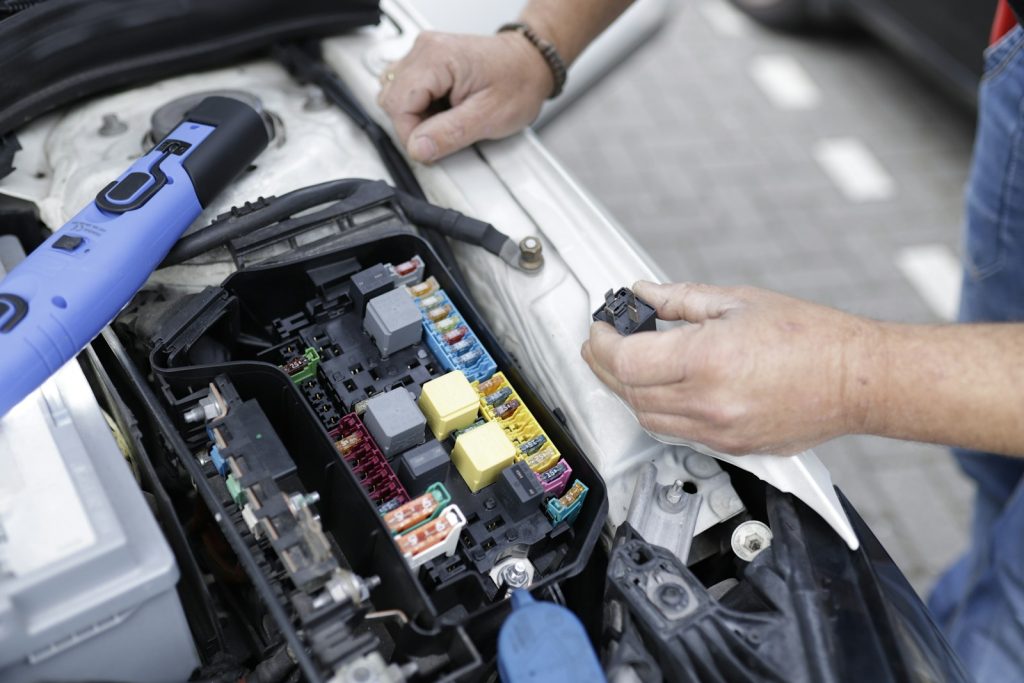
Why You Might Need to Unplug a Car Battery
There are several situations where disconnecting a battery is necessary or highly recommended. Understanding the purpose behind it helps reinforce how to unplug a car battery safely without rushing or skipping steps.
Battery replacement is the most common reason. Most car batteries last between three and five years, depending on climate and usage. When performance drops, proper disconnection prevents electrical surges during removal.
Other reasons include working on electrical components, preventing battery drain during long storage, or resetting certain electronic systems. In all cases, safety and order matter more than speed.
Common Scenarios That Require Battery Disconnection
Disconnecting the battery is often required when you are:
- Replacing the battery with a new one
- Installing or repairing electrical components
- Storing a car for more than a few weeks
- Cleaning battery terminals or surrounding areas
Each scenario benefits from knowing how to unplug a car battery safely to avoid unnecessary risks.
Understanding Basic Car Battery Components
Before touching any tools, it helps to understand what you are working with. A standard car battery has two terminals: positive and negative. The positive terminal is usually marked with a plus sign and a red cover, while the negative terminal is marked with a minus sign and often has a black cable.
The battery stores electrical energy and delivers power to start the engine and run onboard systems. Disconnecting the wrong terminal first can create a short circuit if your tool touches metal parts of the car.
This basic knowledge forms the foundation for learning how to unplug a car battery safely in a controlled and predictable way.
Tools and Preparation Before You Begin
Preparation is a critical part of safe battery handling. Many accidents happen not during the actual disconnection, but due to poor preparation. Knowing how to unplug a car battery safely starts with having the right tools and environment.
You do not need expensive equipment. In most cases, a simple wrench or socket set will do. However, safety gear is just as important as tools.
Recommended Tools and Safety Gear
Before you begin, make sure you have:
- A wrench or socket set that fits the battery terminals
- Safety gloves to protect your hands
- Safety glasses to shield your eyes
- A clean cloth or brush for debris
Also, park the car on a flat surface, turn off the engine, and remove the key from the ignition. Allow the engine bay to cool for at least 10 to 15 minutes if the car was recently driven.
These steps reduce risk and reinforce how to unplug a car battery safely from the very beginning.
Step-by-Step Guide to Unplugging a Car Battery
This section provides the core process. Follow each step carefully and in order. Skipping steps or changing the sequence increases the risk of sparks or electrical damage. This is the most practical explanation of how to unplug a car battery safely.
Step 1: Turn Off All Electrical Systems
Ensure the engine is completely off and all electrical accessories are turned off. This includes headlights, interior lights, radio, and climate control. This reduces electrical load and minimizes the chance of a spark.
Open the hood and secure it properly. Make sure you have clear visibility and enough space to work comfortably.
Step 2: Locate the Battery and Terminals
Most batteries are located in the engine bay, but some vehicles place them in the trunk or under the rear seat. Identify the positive and negative terminals before touching anything.
Confirm terminal markings visually. Never assume based on cable color alone, especially in older or modified vehicles.
Step 3: Disconnect the Negative Terminal First
Always remove the negative terminal first. This is the most important rule in learning how to unplug a car battery safely. Use your wrench to loosen the nut and gently twist the cable off the terminal.
Once removed, secure the negative cable away from the battery so it cannot accidentally touch the terminal again.
Step 4: Disconnect the Positive Terminal
After the negative cable is safely out of the way, loosen and remove the positive terminal. Handle it carefully and keep tools away from metal parts of the car.
At this point, the battery is fully disconnected and safe to remove or leave in place for storage or repairs.
Step 5: Double-Check Cable Placement
Ensure both cables are positioned so they cannot spring back into contact with the terminals. This final check completes the core process of how to unplug a car battery safely.
Common Mistakes to Avoid
Even simple tasks can go wrong if common mistakes are made. Many of these errors happen due to overconfidence or lack of preparation. Avoiding them is a key part of mastering how to unplug a car battery safely.
One frequent mistake is disconnecting the positive terminal first. This increases the risk of short circuits if your tool touches metal parts of the car.
Another issue is using the wrong size wrench, which can slip and cause sparks. Rushing the process or working in poor lighting also increases risk.
Taking a calm, methodical approach always leads to better results.
Special Considerations for Modern Vehicles
Modern cars are more complex than older models. They often include battery management systems, sensors, and electronic modules that react to power loss. Understanding these systems is important when learning how to unplug a car battery safely in newer vehicles.
Some cars may lose radio presets, clock settings, or window calibration when the battery is disconnected. In rare cases, security systems may require a reset.
Consult the owner’s manual for model-specific instructions. Some manufacturers recommend using a memory saver device to preserve settings during battery disconnection.
Battery Safety and Environmental Awareness
Car batteries contain hazardous materials, including lead and acid. Handling them responsibly protects both you and the environment. Safe handling is part of understanding how to unplug a car battery safely in a broader sense.
Never tilt or drop a battery. Avoid contact with any leaking fluid. If corrosion is present, clean it carefully using a baking soda and water solution, and dispose of materials properly.
When replacing a battery, recycle the old one at an authorized facility. Many retailers offer recycling programs and may even provide a small credit.
Experience From the Field
Our team has worked closely with vehicle owners, repair shops, and roadside assistance professionals over the years. In hands-on situations, we have seen that most battery-related issues occur due to skipped steps or poor terminal handling. From routine maintenance to emergency roadside repairs, applying the correct sequence for how to unplug a car battery safely consistently prevents damage and injuries.
Real-world experience confirms that patience and preparation matter more than mechanical skill. Even first-time car owners can perform this task safely when following proven steps and respecting basic electrical principles.
How Long Does the Process Take?
For most vehicles, unplugging a car battery takes between 5 and 10 minutes. This includes preparation and final checks. Rushing to save a minute is not worth the added risk.
If the battery is hard to access or heavily corroded, allow extra time. Safety should always outweigh speed when practicing how to unplug a car battery safely.
When You Should Seek Professional Help
While battery disconnection is generally safe, some situations call for professional assistance. Hybrid and electric vehicles, for example, use high-voltage systems that require special training.
If you are unsure about your vehicle’s battery layout or notice damaged cables, it is safer to consult a professional. Knowing your limits is also part of understanding how to unplug a car battery safely.
Conclusion
Learning how to unplug a car battery safely is an essential skill that empowers car owners to handle basic maintenance with confidence. By understanding the reasons for disconnection, preparing properly, and following the correct sequence, you can avoid common hazards and protect your vehicle’s electronics.
The process is straightforward, but attention to detail makes all the difference. From turning off electrical systems to disconnecting the negative terminal first, each step plays a role in maintaining safety.
With the guidance provided in this article, you now have a complete and practical reference for how to unplug a car battery safely whenever the situation requires it.
Also Read:
How to Jump Start a Car
How to Check Your Car Battery