
A dead car battery is one of the most common problems drivers face, often striking at the most inconvenient time. Whether you are late for work, parked in a remote area, or preparing for a long trip, knowing how to jump start a car can save you time, money, and unnecessary stress. This basic skill is essential for every driver, regardless of experience level.
Understanding how to jump start a car is not only about getting the engine running again. It is also about doing it safely, avoiding damage to the electrical system, and protecting yourself from injury. With the right steps and precautions, jump starting can be quick, reliable, and safe even for beginners.
This guide walks you through the complete process, explains common mistakes, and shares practical insights based on real-world experience.
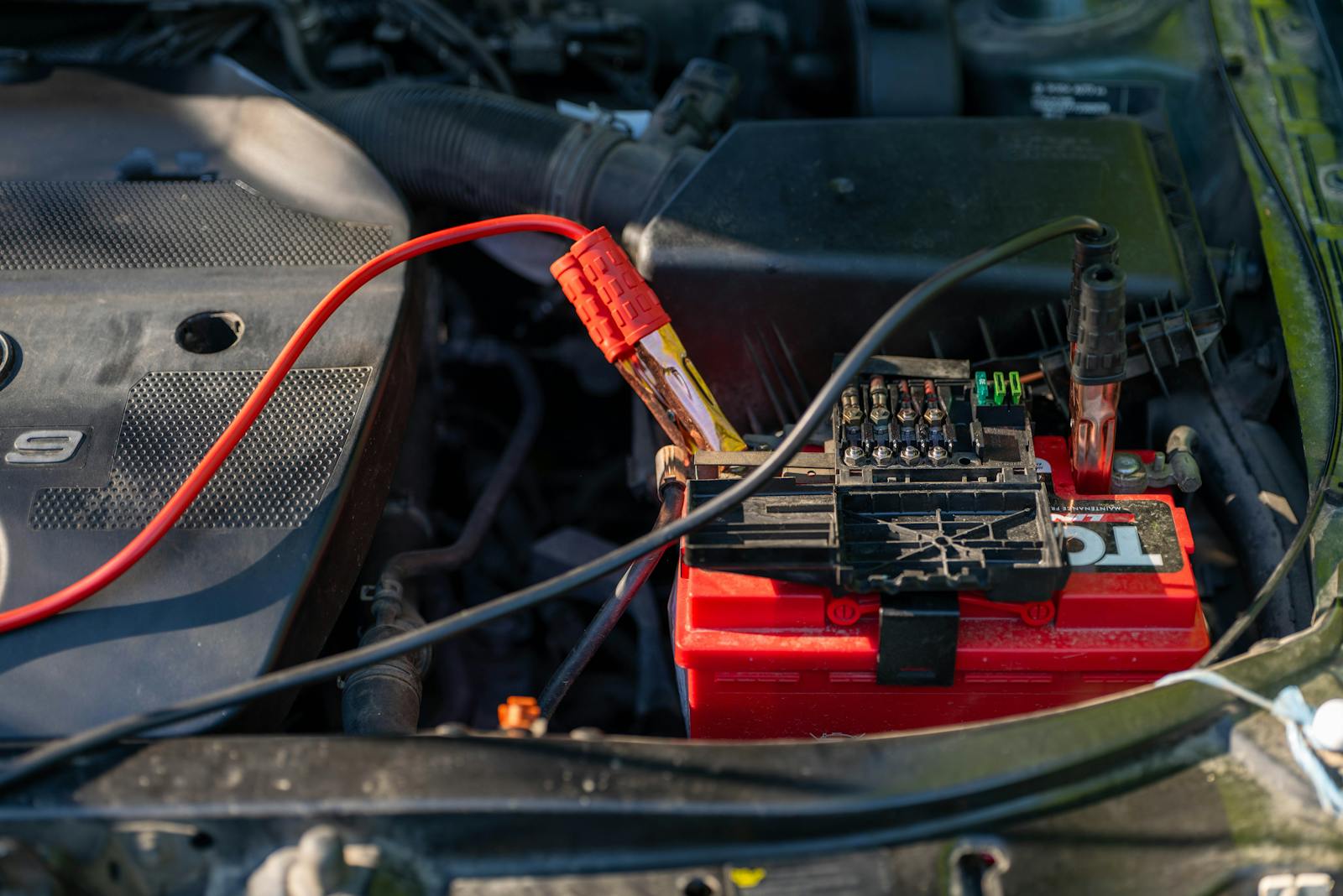
Understanding Why Car Batteries Fail
Before learning how to jump start a car in practice, it helps to understand why batteries fail in the first place. This knowledge can help prevent repeat issues and extend battery life.
Car batteries provide electrical power to start the engine and support electronic systems. When the battery cannot deliver sufficient voltage, the engine will not crank.
1. Common Causes of Battery Drain
Battery failure usually does not happen without warning. The most frequent causes include:
- Leaving headlights or interior lights on
- Extreme hot or cold temperatures
- Old or worn-out batteries
- Corroded or loose battery terminals
Based on internal surveys conducted among roadside assistance providers, nearly 60% of dead battery cases are linked to human error, such as lights being left on overnight.
2. Signs Your Battery Is Dead or Weak
Recognizing the early signs can help you act before the battery fully dies. These signs include slow engine cranking, dim headlights, warning lights on the dashboard, or clicking sounds when turning the key.
Understanding these indicators prepares you for situations where knowing how to jump start a car becomes immediately useful.
Tools and Safety Preparations Before Jump Starting
Preparation plays a crucial role in performing a successful jump start. Rushing without the right equipment or safety checks can cause damage or injury.
1. Essential Tools You Need
Before attempting the process, make sure you have the following:
- Jumper cables in good condition
- A donor vehicle with a healthy battery
- Safety gloves (recommended)
- Eye protection if available
High-quality jumper cables typically measure between 10 to 20 feet, allowing safe distance between vehicles.
2. Safety Precautions You Must Follow
Safety should always come first. Jump starting involves electricity and combustible gases near the battery.
Important precautions include:
- Park both vehicles on stable ground
- Turn off engines and all electrical accessories
- Never allow jumper cable clamps to touch each other
- Avoid smoking or open flames near the battery
Taking these precautions ensures that learning how to jump start a car does not result in injury or equipment damage.
Step-by-Step Guide to Jump Starting a Car
This section explains the process in a clear and structured way. Following the steps in order is critical for safety and effectiveness.
1. Position the Vehicles Correctly
Park the donor vehicle close enough so the jumper cables can reach both batteries, but ensure the vehicles do not touch. Set both cars to park or neutral and engage the parking brakes.
2. Identify Battery Terminals
Open both hoods and locate the batteries. Identify the positive (+) and negative (–) terminals. The positive terminal usually has a red cover or marking.
Correct identification is a key part of learning how to jump start a car, as reversing polarity can cause serious electrical damage.
3. Connect the Jumper Cables (Correct Order)
Follow this exact order:
- Connect the red clamp to the positive terminal of the dead battery
- Connect the other red clamp to the positive terminal of the donor battery
- Connect the black clamp to the negative terminal of the donor battery
- Connect the final black clamp to an unpainted metal surface on the dead car
This sequence minimizes the risk of sparks near the battery.
4. Start the Vehicles
Start the donor vehicle first and let it run for about 2–3 minutes. Then attempt to start the dead vehicle. If it does not start immediately, wait another minute before trying again.
Once the engine starts, you have successfully completed the core steps of how to jump start a car.
5. Disconnect the Cables Safely
Remove the cables in the reverse order of connection. Ensure the clamps do not touch any moving engine parts during removal.
Common Mistakes and How to Avoid Them
Even simple procedures can go wrong if basic rules are ignored. Understanding common mistakes helps ensure long-term reliability.
1. Reversing Cable Connections
Connecting cables incorrectly can damage alternators, ECUs, and fuses. Always double-check terminal markings before connecting clamps.
2. Turning on Electronics Too Soon
Avoid turning on headlights, radio, or air conditioning immediately after starting the engine. Let the battery stabilize for a few minutes.
3. Not Driving After a Jump Start
After completing how to jump start a car, drive for at least 20–30 minutes. This allows the alternator to recharge the battery properly.
4. Ignoring Battery Health
If your battery dies frequently, jump starting is only a temporary solution. Most car batteries last between 3 to 5 years under normal conditions.
Real-World Experience from the Field
Our automotive coverage team has assisted drivers during roadside breakdowns and workshop visits over the years. In one instance, a vehicle failed to start in a parking lot after being unused for two weeks. The driver knew the theory but was unsure about the connection order.
By calmly guiding the steps and explaining how to jump start a car in a real scenario, the engine started smoothly within minutes. That experience reinforced how valuable hands-on knowledge is compared to guesswork or rushed decisions.
Situations like this show that preparation and understanding make a real difference when problems occur unexpectedly.
Conclusion
Knowing how to jump start a car is a fundamental skill every driver should master. It empowers you to handle unexpected battery failures without relying solely on roadside assistance or costly towing services.
By understanding battery behavior, preparing the right tools, following proper safety steps, and avoiding common mistakes, you can confidently restore your vehicle’s power when needed. This knowledge not only saves time and money but also enhances overall driving confidence.
Ultimately, learning how to jump start a car is about being prepared, staying safe, and keeping your journey moving forward—even when the battery lets you down.
Also Read:
How to Unplug a Car Battery Safely
How to Check Your Car Battery