
A clunking sound coming from your car’s suspension can be alarming. Whether it happens when you drive over bumps, turn sharply, or brake suddenly, that unsettling noise is often a warning sign that something isn’t right underneath your vehicle.
Many drivers ignore the issue at first, hoping it will disappear. Unfortunately, suspension noises rarely fix themselves. In fact, delaying repairs can lead to more expensive damage and compromise safety. Understanding how to fix clunking noise in car suspension is essential if you want to maintain comfort, control, and long-term reliability.
In this comprehensive guide, you’ll learn what causes suspension clunking, how to diagnose it properly, and practical steps to repair it. By the end, you’ll know exactly how to approach the problem—whether you plan to fix it yourself or consult a professional mechanic.
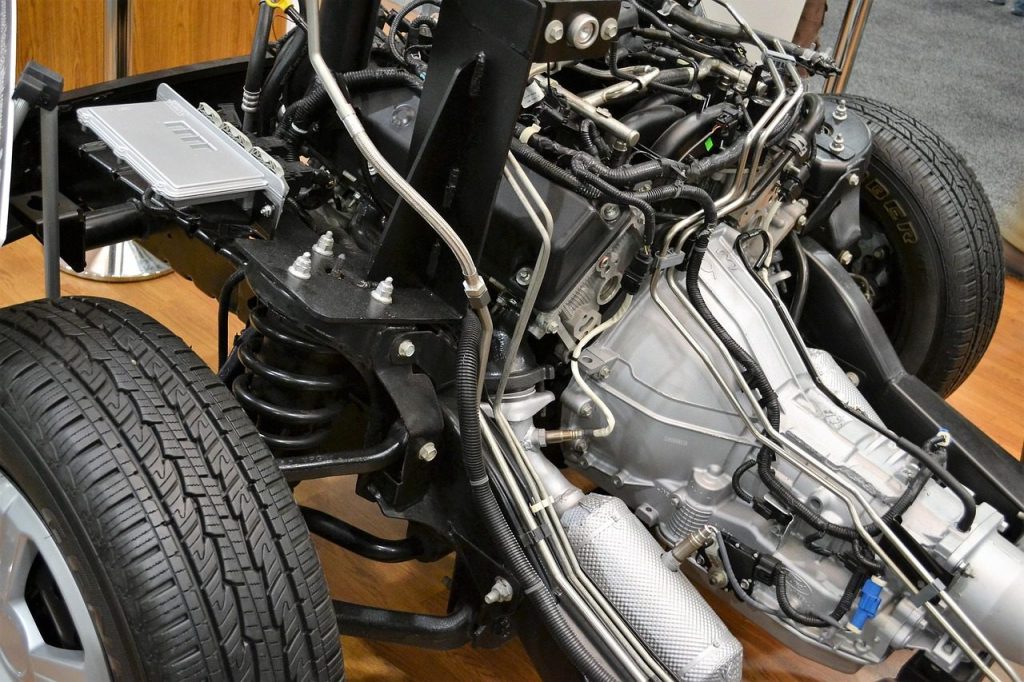
Understanding the Causes of Clunking Noise in Suspension
Before you can solve the issue, you must identify what’s creating the noise. A car suspension system consists of multiple components working together to absorb shock and maintain tire contact with the road.
When one part wears out or loosens, it can create a distinct clunking or knocking sound.
1. Worn Ball Joints
Ball joints connect the control arms to the steering knuckles. They allow smooth movement while supporting the vehicle’s weight.
When ball joints wear out, they develop excessive play. This can cause clunking sounds, especially when going over bumps or turning at low speeds. If left untreated, a failed ball joint can lead to serious steering issues.
2. Damaged Control Arm Bushings
Control arm bushings are rubber or polyurethane components that reduce vibration and friction.
Over time, these bushings crack or deteriorate. Once that happens, metal parts may hit each other, producing a dull clunk. This issue is common in vehicles with over 80,000–100,000 miles.
3. Faulty Sway Bar Links
Sway bar links stabilize the vehicle during cornering. If they become loose or worn, they can create knocking noises when driving over uneven roads.
This is one of the most frequent and affordable suspension repairs. Replacing sway bar links typically costs between $100 and $300 depending on the vehicle.
4. Worn Struts or Shock Absorbers
Struts and shocks absorb road impacts. When they lose their damping ability or develop internal damage, they may create clunking sounds.
Leaking fluid, uneven tire wear, and excessive bouncing are common symptoms that accompany suspension noise.
Understanding these potential causes is the first step in learning how to fix clunking noise in car suspension effectively.
How to Diagnose the Source of the Clunking Sound
Accurate diagnosis saves time and money. Instead of replacing parts blindly, you should narrow down the exact source of the noise.
Here’s a structured approach to identifying the problem.
1. Perform a Visual Inspection
Start by parking your car on a flat surface and lifting it safely using jack stands.
Look for:
- Cracked or torn bushings
- Leaking shocks or struts
- Loose sway bar links
- Damaged ball joint boots
- Rusted or broken suspension components
A flashlight can help you spot issues more clearly.
2. Conduct a Bounce Test
Push down firmly on each corner of the vehicle and release.
If the car continues bouncing more than two to three times, your shocks or struts may be worn. This test is simple but often effective in identifying damping problems.
3. Listen During a Test Drive
Drive slowly over speed bumps or rough pavement.
Pay attention to when the clunk occurs:
- During braking → Possible control arm or ball joint issue
- While turning → Likely sway bar links or tie rods
- Over bumps → Could be shocks, struts, or bushings
Pinpointing the condition that triggers the sound helps you understand how to fix clunking noise in car suspension without unnecessary guesswork.
4. Check for Play in Suspension Components
With the car lifted, grab the wheel at the 12 and 6 o’clock positions. Shake it gently.
Excessive movement can indicate worn ball joints or wheel bearings. Repeat the test at 3 and 9 o’clock to check tie rods.
If you’re unsure, consider having a professional inspection. Suspension diagnostics typically cost between $50 and $120 but can prevent costly misdiagnosis.
Step-by-Step Guide: How to Fix Clunking Noise in Car Suspension
Once you’ve identified the faulty component, you can proceed with repairs. The following steps outline common solutions for different suspension issues.
Replacing Sway Bar Links
This is often the easiest repair.
- Lift and secure the vehicle.
- Remove the wheel for better access.
- Unbolt the old sway bar link.
- Install the new part and torque bolts to manufacturer specifications.
The process usually takes 30–60 minutes per side. Knowing how to fix clunking noise in car suspension in this scenario can save significant labor costs.
Replacing Worn Ball Joints
Ball joint replacement is more complex.
- Remove the wheel and brake assembly.
- Separate the ball joint from the control arm.
- Press out the old joint (if not integrated).
- Install the new ball joint and reassemble components.
This job may require a ball joint press tool. Labor costs at a repair shop can range from $200 to $600 per joint.
Replacing Control Arm Bushings
In some vehicles, bushings can be replaced separately. In others, the entire control arm must be replaced.
Replacing the whole control arm often saves time and ensures long-term durability. While more expensive upfront (typically $300–$800 per side), it eliminates future bushing failures.
Replacing Struts or Shocks
If worn struts are the culprit, replace them in pairs to maintain balanced handling.
Steps generally include:
- Remove the wheel.
- Detach brake line brackets.
- Remove strut mounting bolts.
- Install the new strut assembly.
Complete strut assemblies simplify the process because they come pre-assembled with springs. After replacement, a wheel alignment is highly recommended.
Mastering how to fix clunking noise in car suspension requires careful attention to torque specifications and safety procedures.
Preventing Future Suspension Clunking
Prevention is always cheaper than repair. Suspension components wear gradually, but regular maintenance can extend their lifespan.
Here are practical preventive measures:
- Inspect suspension parts every 12,000–15,000 miles
- Rotate tires regularly
- Maintain proper tire pressure
- Avoid potholes and rough driving conditions
- Replace components in pairs
Routine inspections help you detect minor wear before it develops into a loud clunk.
Additionally, high-quality replacement parts often last longer than cheaper alternatives. While premium parts cost more upfront, they reduce repeat repairs.
Understanding how to fix clunking noise in car suspension also means knowing how to prevent it from happening again.
When to Seek Professional Help
While some repairs are manageable for experienced DIYers, others require specialized tools and expertise.
Seek professional assistance if:
- The noise persists after replacing suspected parts
- You notice steering instability
- The vehicle pulls to one side
- There is visible structural damage
Driving with a faulty suspension can compromise braking distance and handling precision. In severe cases, it may even lead to loss of control.
For complex cases, certified technicians use diagnostic equipment and experience to determine how to fix clunking noise in car suspension accurately and safely.
Real-World Experience from the Field
Our team has handled numerous cases involving suspension clunking across various vehicle brands, from compact sedans to heavy SUVs. In many situations, drivers initially assumed the problem was major—like a failing transmission—when it turned out to be worn sway bar links costing under $150 to fix.
We’ve also seen cases where delayed repairs led to cascading damage. For example, ignoring worn bushings eventually caused uneven tire wear and alignment issues, increasing total repair costs significantly. These firsthand observations reinforce the importance of early diagnosis and proper repair.
Practical experience consistently shows that understanding how to fix clunking noise in car suspension early can save both money and stress.
Cost Overview of Common Suspension Repairs
To help you budget realistically, here are typical repair cost ranges:
- Sway bar links: $100–$300
- Ball joints: $200–$600 per joint
- Control arms: $300–$800 per side
- Struts/shocks: $400–$1,200 per axle (including labor)
- Wheel alignment: $75–$150
Prices vary based on vehicle type, location, and labor rates.
While costs may seem high, suspension integrity directly affects safety. Investing in proper repair ensures stability, comfort, and tire longevity.
Signs You Should Never Ignore
Some suspension noises are minor, but others signal urgent danger.
Watch for:
- Loud metallic clunks when braking
- Steering wheel vibration
- Uneven or rapid tire wear
- Vehicle leaning to one side
- Knocking that increases with speed
If these symptoms appear, learning how to fix clunking noise in car suspension becomes a priority rather than an option.
Conclusion
A clunking noise in your car suspension is more than just an annoyance—it’s a warning sign. Whether caused by worn sway bar links, failing ball joints, damaged bushings, or tired struts, the issue demands prompt attention.
By understanding the root causes, performing accurate diagnostics, and following proper repair steps, you can confidently address the problem. Knowing how to fix clunking noise in car suspension empowers you to protect your vehicle’s safety, performance, and long-term value.
Regular inspections, high-quality parts, and timely maintenance are the keys to preventing future issues. If you’re ever uncertain, consult a professional technician to ensure the repair is completed correctly.
With the right approach, that troubling clunk can be eliminated—and your vehicle can return to delivering the smooth, controlled ride it was designed to provide.
Also Read: Signs Car Suspension Needs Replacement