
Fabric car seats offer comfort, breathability, and affordability. However, they also absorb dust, spills, sweat, and odors more easily than leather car seats or synthetic materials. Without proper care, stains can settle deep into the fibers and become difficult to remove.
Understanding how to clean fabric car seats safely is essential if you want to maintain a fresh interior and protect your vehicle’s value. Improper cleaning methods can oversaturate the padding, cause mildew, or leave behind water stains.
This comprehensive guide explains step-by-step techniques, recommended tools, common mistakes, and professional insights so you can restore your fabric seats without damaging them.
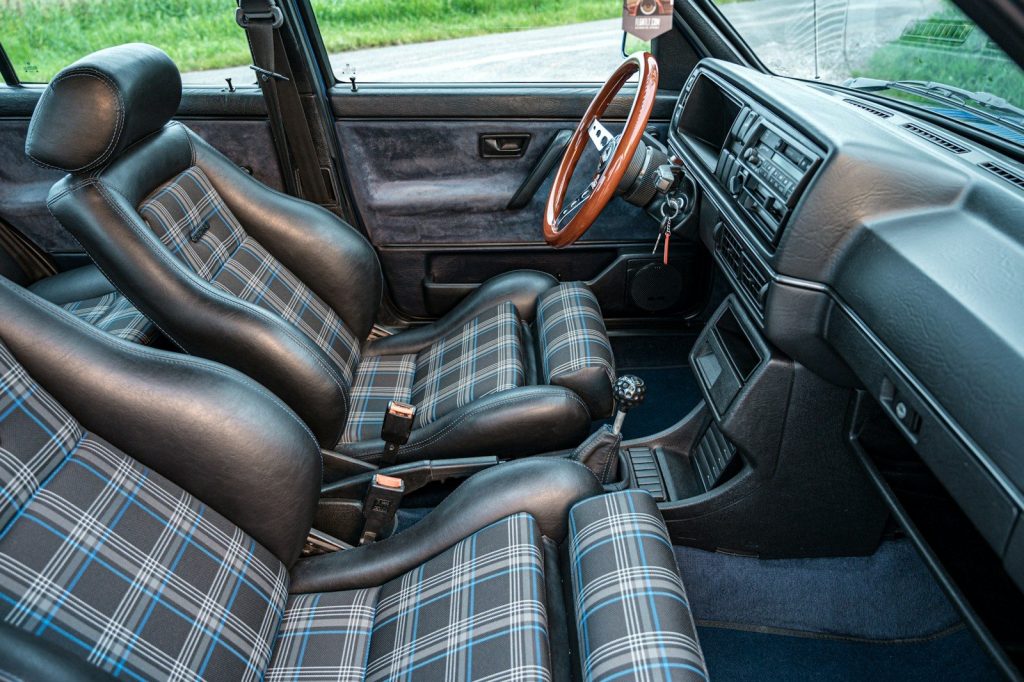
Why Fabric Car Seats Require Special Care
Fabric upholstery is typically made from woven synthetic fibers such as polyester or nylon blends. These materials are durable but porous. That means liquids and dirt penetrate beneath the surface quickly.
If moisture remains trapped in the foam padding underneath, it may cause unpleasant odors within 24 to 48 hours. In humid climates, mold growth becomes a serious risk.
Learning how to clean fabric car seats safely allows you to remove dirt while preventing over-wetting and long-term damage.
Common Causes of Seat Stains
Everyday use exposes car seats to various contaminants:
- Coffee and soft drink spills
- Food grease and crumbs
- Sweat and body oils
- Mud and dust
- Pet hair and dander
Each stain type requires slightly different treatment. Acting quickly improves the chances of complete removal.
Essential Tools and Materials
Before starting, gather the right equipment. Using household items without checking compatibility can discolor fabric or weaken fibers.
Here are recommended tools:
- Vacuum cleaner with upholstery attachment
- Soft-bristle brush
- Microfiber cloths
- Spray bottle
- Upholstery cleaner or mild fabric detergent
- Clean water
- Wet/dry vacuum (optional but helpful)
Professional-grade fabric cleaners typically cost between $10 and $20 per bottle and last for multiple cleaning sessions.
Choosing the right tools is the first step in understanding how to clean fabric car seats safely and effectively.
Step-by-Step Cleaning Process
Proper cleaning requires a structured approach. Skipping steps may spread dirt rather than remove it.
1. Vacuum Thoroughly
Start by vacuuming the seats carefully. Use a narrow attachment to reach seams and crevices.
Removing loose dirt prevents particles from turning into muddy residue when mixed with cleaning solution.
Spend at least 10 to 15 minutes vacuuming both front and rear seats.
2. Spot Test Cleaning Solution
Always test any cleaner on a small hidden area. Apply a small amount and wait 5 minutes.
Check for discoloration or fabric damage before proceeding.
This precaution is critical when learning how to clean fabric car seats safely because different fabrics react differently to chemicals.
3. Apply Cleaner Lightly
Spray a light mist of upholstery cleaner onto the stained area. Avoid soaking the seat.
Gently agitate the surface using a soft brush in circular motions.
Work in sections to maintain control over moisture levels.
4. Blot, Do Not Rub
Use a microfiber cloth to blot the area. Rubbing aggressively may push stains deeper into fibers.
Blotting lifts dirt while preserving fabric structure.
Repeat the process if needed until the stain fades.
5. Dry Completely
Allow seats to air dry with doors open or windows slightly lowered.
If possible, park in a shaded but well-ventilated area. Drying typically takes 2 to 4 hours depending on weather conditions.
You can also use a fan or wet/dry vacuum to speed up the process.
Proper drying is one of the most important aspects of how to clean fabric car seats safely because trapped moisture leads to odors.
Handling Tough Stains
Some stains require targeted solutions.
Coffee and Beverage Stains
Mix mild detergent with warm water. Blot immediately after spill occurs.
If dried, apply upholstery cleaner and brush gently.
Grease Stains
Sprinkle baking soda over the stain and leave for 30 minutes. Vacuum thoroughly before applying cleaner.
Mud Stains
Allow mud to dry completely before vacuuming. Cleaning wet mud spreads the stain.
Then treat remaining residue with diluted detergent.
Understanding stain types helps refine your approach to how to clean fabric car seats safely and efficiently.
Preventing Odors After Cleaning
Odors often result from excessive moisture or incomplete cleaning.
To prevent this:
- Avoid saturating foam padding
- Use minimal cleaning solution
- Ensure full drying before closing the vehicle
If odors persist, sprinkle baking soda over seats and vacuum after several hours.
Fabric-safe odor eliminators cost around $8 to $15 and can provide long-lasting freshness.
Deep Cleaning vs. Regular Maintenance
Regular maintenance prevents heavy buildup.
Weekly Maintenance
Vacuum seats once per week to remove dust and crumbs.
Monthly Spot Cleaning
Address minor stains before they set permanently.
Annual Deep Cleaning
Consider a deep cleaning once or twice per year using a steam cleaner or professional service.
Professional interior detailing typically costs between $100 and $250 depending on vehicle size.
Maintaining a schedule simplifies how to clean fabric car seats safely and reduces long-term effort.
Steam Cleaning: Is It Safe?
Steam cleaning can effectively remove deep stains and bacteria. However, excessive steam may oversaturate seats.
If using a steam cleaner:
- Use low moisture settings
- Keep the nozzle moving
- Avoid prolonged exposure in one spot
Steam cleaning should be done carefully and not more than once or twice per year.
Common Mistakes to Avoid
Many vehicle owners unintentionally damage their seats during cleaning.
Avoid these common errors:
- Using bleach or harsh chemicals
- Soaking the seats excessively
- Scrubbing aggressively
- Skipping vacuuming before washing
- Closing doors before seats fully dry
These mistakes can cause discoloration, mildew, or fabric weakening.
By recognizing these pitfalls, you better understand how to clean fabric car seats safely without creating additional problems.
Protective Measures After Cleaning
After cleaning, consider applying fabric protectant spray.
These products create a barrier that repels liquids and reduces stain absorption.
Fabric protectants typically cost between $15 and $25 per bottle and last for several months.
Seat covers also provide extra protection, especially for families with children or pets.
Taking preventive action reduces future cleaning frequency.
Health and Hygiene Benefits
Clean car seats improve air quality inside the cabin.
Dust, pollen, and allergens accumulate in fabric fibers over time.
Regular cleaning reduces respiratory irritants and enhances comfort during long drives.
A clean interior also increases resale value. Vehicles with well-maintained upholstery often command $300 to $1,000 higher resale prices compared to poorly maintained interiors.
Professional Insight from Field Experience
Our team has reviewed and observed interior detailing processes in automotive service environments and field maintenance coverage. In multiple cases, vehicle owners attempted aggressive scrubbing with household cleaners, which led to discoloration and permanent fabric damage. Conversely, when using gentle agitation, proper blotting, and controlled moisture, even older stains showed significant improvement. These observations reinforced the importance of understanding how to clean fabric car seats safely using balanced techniques rather than forceful methods.
When to Seek Professional Help
Some stains, such as ink, dye transfer, or mold contamination, require professional equipment.
Detailing professionals use hot water extraction machines and industrial cleaners that penetrate deeper layers safely.
If mold is visible or odor persists despite cleaning, professional intervention is recommended to prevent health risks.
Knowing your limits is part of mastering how to clean fabric car seats safely.
Long-Term Care Strategy
Maintaining fabric seats requires consistency.
Here is a simple long-term plan:
- Vacuum weekly
- Clean spills immediately
- Deep clean every 6–12 months
- Apply fabric protectant after major cleaning
- Avoid eating messy foods inside the vehicle
These habits reduce the need for intensive stain removal later.
Conclusion
Fabric car seats provide comfort and durability, but they demand proper care. Dirt, spills, and moisture can quickly penetrate fibers and padding, leading to stains and odors if not handled correctly.
By following structured steps—vacuuming, spot testing, applying cleaner lightly, blotting gently, and drying thoroughly—you can maintain a clean interior without damaging the material.
Understanding how to clean fabric car seats safely helps protect both your vehicle’s appearance and its long-term value. Regular maintenance not only improves hygiene but also enhances driving comfort and resale potential.
With the right tools, techniques, and preventive measures, keeping your fabric seats fresh and stain-free becomes a manageable and rewarding task.