
A car battery is one of those components most drivers rarely think about until something goes wrong. Yet it plays a critical role in starting your engine, powering electronics, and keeping modern vehicles running smoothly. Learning how to check your car battery on a regular basis can help you avoid unexpected breakdowns, save money on repairs, and extend the life of your vehicle.
In this comprehensive guide, we will walk through everything you need to know about inspecting your car battery and maintaining it properly. From understanding how a battery works to practical inspection steps and long-term care strategies, this article is designed to be clear, practical, and useful for everyday drivers.
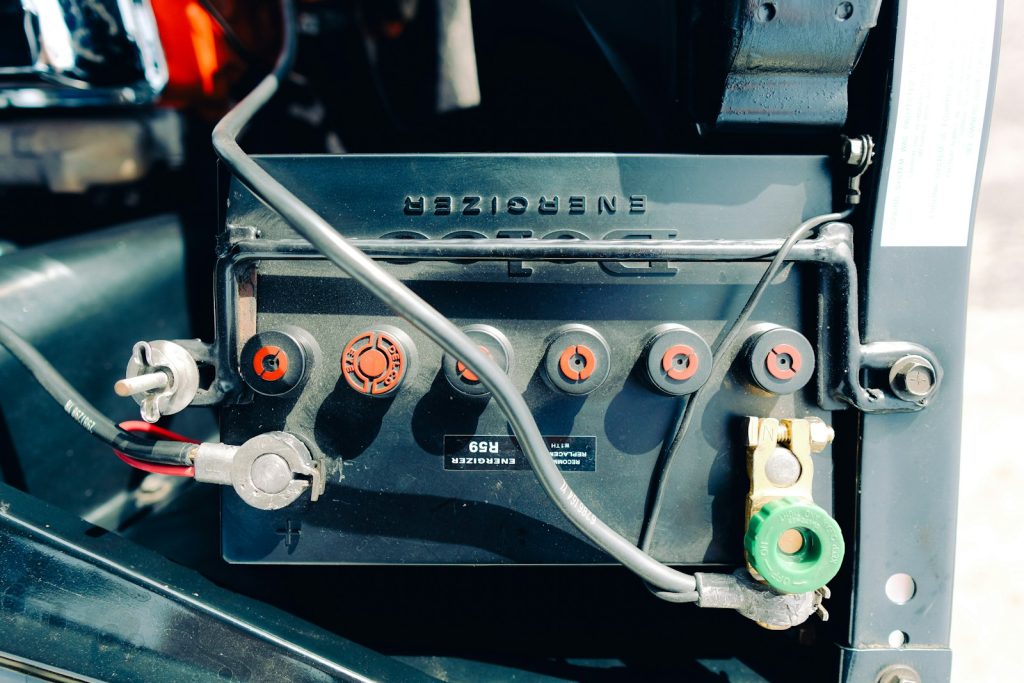
Understanding Car Battery Basics
Before diving into inspection methods, it helps to understand what a car battery does and why it fails over time. Most vehicles use a 12-volt lead-acid battery, designed to deliver a large burst of power to start the engine and then provide steady electricity for onboard systems.
Heat, vibration, driving habits, and age all affect battery performance. On average, a car battery lasts between three and five years under normal conditions. Knowing how to check your car battery allows you to monitor its condition and detect early warning signs before complete failure occurs.
How a Car Battery Supplies Power
A car battery converts chemical energy into electrical energy. Inside the battery, lead plates and an electrolyte solution interact to produce voltage. Over time, this chemical reaction becomes less efficient, especially if the battery is frequently exposed to extreme temperatures or short driving cycles.
When efficiency drops, the battery struggles to hold a charge. This is why even a battery that looks fine on the outside can fail internally if it has reached the end of its lifespan.
Signs Your Car Battery Needs Attention
Recognizing early symptoms of battery trouble is just as important as knowing inspection steps. Many issues appear gradually and can be addressed with maintenance before replacement becomes necessary.
Common signs include slow engine cranking, dim headlights, electrical glitches, and warning lights on the dashboard. If you notice these symptoms, it is a good time to review how to check your car battery and assess its health.
Common Warning Indicators
Here are several signs that often indicate battery-related issues:
- Engine takes longer than usual to start
- Interior or dashboard lights flicker
- Power windows operate slowly
- Battery warning light appears while driving
- You hear clicking sounds when turning the key
Addressing these symptoms early can prevent being stranded and reduce stress on other electrical components.
Tools and Preparation for Battery Inspection
You do not need advanced mechanical skills or expensive equipment to perform a basic battery check. With a few simple tools and safety precautions, most drivers can handle the process at home.
Understanding how to check your car battery starts with proper preparation. Always park on a flat surface, turn off the engine, and allow the vehicle to cool before opening the hood.
Essential Tools You Will Need
- Safety gloves and eye protection
- Clean cloth or paper towels
- Battery terminal brush or wire brush
- Multimeter or digital voltmeter
- Baking soda and water for cleaning corrosion
These items are affordable and easy to store in your garage. A basic digital multimeter typically costs between $15 and $30 and can be used for many other electrical checks as well.
Step-by-Step Guide to Checking Your Car Battery
This section breaks down the inspection process into manageable steps. Following them carefully ensures accurate results and minimizes the risk of damage or injury. Learning how to check your car battery step by step builds confidence and helps you understand what to look for.
Step 1: Visual Inspection
Start by examining the battery’s exterior. Look for cracks in the casing, bulging sides, or leaks. These are signs of internal damage and usually indicate that replacement is necessary.
Check the terminals for corrosion, which appears as a white or bluish powder. Corrosion can interfere with electrical flow and often causes starting issues. This visual stage of how to check your car battery often reveals problems that are easy to fix.
Step 2: Checking Terminal Connections
Ensure that the battery cables are tightly secured. Loose terminals can cause intermittent electrical problems that mimic battery failure. Try gently wiggling the connectors; they should not move easily.
If you notice corrosion, clean it using a mixture of baking soda and water. Apply the solution with a brush, rinse carefully, and dry the area thoroughly before reconnecting.
Step 3: Measuring Battery Voltage with a Multimeter
Using a multimeter is one of the most reliable ways to assess battery health. Set the multimeter to DC voltage and connect the red probe to the positive terminal and the black probe to the negative terminal.
A healthy battery typically reads around 12.6 volts when the engine is off. Readings between 12.4 and 12.6 volts indicate a good charge. Below 12.2 volts suggests the battery may be weak. This measurement step is central to how to check your car battery accurately.
Step 4: Testing Under Load
For a more complete evaluation, test the battery while starting the engine. Watch the voltage reading as you turn the key. If it drops below 10 volts during startup, the battery may struggle to deliver sufficient power.
Some auto parts stores offer free load testing, which simulates real-world conditions more precisely. This is a useful option if you want confirmation without buying additional tools.
Battery Maintenance Tips for Longer Life
Regular maintenance significantly extends battery lifespan and improves reliability. Simple habits make a measurable difference over time. Applying these tips alongside how to check your car battery routines helps you stay ahead of problems.
Keep Terminals Clean
Corrosion buildup reduces electrical conductivity. Inspect terminals every few months and clean them as needed. Even a small amount of corrosion can cause noticeable performance issues.
Drive Your Car Regularly
Short trips and infrequent driving prevent the battery from fully recharging. Aim for at least one 20–30 minute drive per week to allow the alternator to replenish the charge.
Avoid Excessive Electrical Load
Turning on lights, audio systems, or charging devices while the engine is off drains the battery quickly. Minimize unnecessary electrical use when the vehicle is not running.
Secure the Battery Properly
Vibration accelerates internal damage. Make sure the battery is firmly mounted in its tray. A loose battery wears out faster and may develop internal shorts.
Seasonal Considerations for Battery Care
Weather conditions play a major role in battery performance. Both extreme heat and cold stress the internal chemistry, though cold weather often exposes existing weaknesses.
Knowing how to check your car battery before seasonal changes helps prevent surprises. Testing in early winter and summer is especially important.
Cold Weather Impact
Cold temperatures reduce a battery’s ability to produce current. At the same time, engines require more power to start. This combination makes winter the most common season for battery failures.
Hot Weather Impact
Heat accelerates chemical reactions inside the battery, which can lead to fluid evaporation and plate degradation. In hot climates, batteries may fail sooner even if starting seems normal.
When to Replace Your Car Battery
Even with excellent maintenance, batteries do not last forever. Understanding replacement timing helps you avoid being caught off guard.
Most manufacturers recommend replacement every three to five years, depending on usage and environment. If your battery repeatedly tests low despite charging, replacement is the safest option.
Reviewing how to check your car battery results over time helps you spot declining performance trends and plan ahead.
Real-World Experience From the Field
Our team has spent years covering automotive maintenance topics and observing real-world battery issues across different vehicle types. From daily commuters to fleet vehicles, we have seen how small habits make a big difference.
In practice, drivers who consistently follow how to check your car battery procedures and basic maintenance routines experience fewer breakdowns and lower long-term costs. This insight comes from hands-on inspections, roadside assistance observations, and discussions with professional technicians.
Conclusion
A reliable car battery is essential for safe and stress-free driving. By learning how to check your car battery and applying regular maintenance practices, you can prevent sudden failures and extend battery life.
To summarize, remember these key points:
- Inspect your battery visually and electrically on a regular schedule
- Use simple tools like a multimeter for accurate readings
- Clean terminals and secure connections to maintain efficiency
- Adjust maintenance habits based on seasonal conditions
Taking a proactive approach not only saves money but also gives you confidence every time you turn the key. With consistent attention and basic knowledge, your car battery can remain dependable for years to come.
Also Read:
How to Unplug a Car Battery Safely
How to Jump Start a Car