
Knowing when to service your vehicle keeps it reliable, safe, and economical. A clear Car Service Schedule helps you avoid unexpected breakdowns, preserves resale value, and reduces long-term ownership costs. This guide explains how to interpret manufacturer recommendations, adapt intervals to real-world driving, and prioritize services so you get the most value from every visit.
Routine care is not one-size-fits-all. Factors such as driving style, climate, and towing demands change how quickly parts wear and fluids degrade. Read on for practical intervals, realistic cost estimates, a seasonal approach, and a concise checklist you can use to plan maintenance for the year.
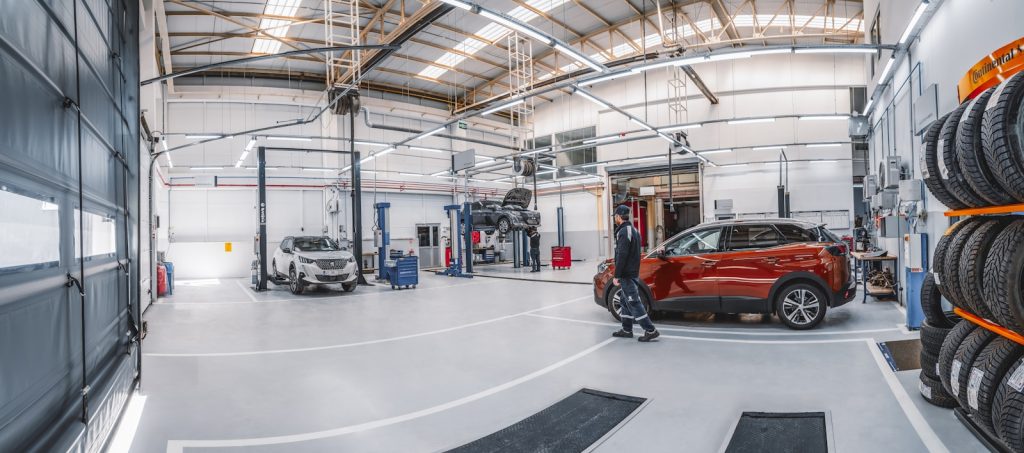
Why Regular Service Matters
Regular servicing prevents small problems from becoming major repairs. Oil and filter changes remove contaminants that cause engine wear, while inspections catch issues like worn brake pads or leaking hoses before they fail.
A well-maintained car also runs more efficiently. Clean filters, properly inflated tires, and fresh fluids improve fuel economy and reduce emissions. In many cases, spending $200–$600 per year on routine maintenance avoids a single repair that could cost $1,000–$4,000.
Safety is another key reason to follow a maintenance plan. Brakes, steering, suspension, and tires directly affect your ability to stop and control the vehicle. Addressing wear items proactively reduces the risk of accidents caused by component failure.
Understanding Recommended Intervals
Manufacturers publish service intervals in the owner’s manual, often expressed as mileage or time—whichever comes first. Typical baseline intervals include:
- Oil and filter: every 5,000–10,000 miles or every 6–12 months, depending on oil type and driving conditions.
- Tire rotation: every 5,000–8,000 miles.
- Air filter: every 15,000–30,000 miles.
- Brake inspection: every 10,000–15,000 miles.
- Transmission fluid: every 30,000–60,000 miles for many vehicles; some modern transmissions have longer or sealed intervals.
- Coolant flush: every 30,000–60,000 miles or as specified by the manufacturer.
- Timing belt: typically 60,000–100,000 miles, depending on engine design.
These ranges reflect common practice across many makes and models. Always prioritize the vehicle-specific schedule in the owner’s manual, but use the ranges above as a practical reference when planning service.
Interpreting “Severe” Versus “Normal” Use
Manufacturers often provide two sets of intervals: normal and severe. Severe conditions accelerate wear and include:
- Frequent short trips under 5 miles.
- Stop-and-go city driving.
- Towing or hauling heavy loads.
- Driving in dusty, salty, or extremely hot/cold climates.
- Extended idling or frequent low-speed operation.
If your driving matches any of these, shorten intervals by 25–50 percent. For example, if the manual recommends an oil change every 10,000 miles under normal use, consider changing oil every 5,000–7,500 miles under severe conditions.
Building a Practical Service Plan
A practical plan balances manufacturer guidance with real-world needs and budget. Use a tiered approach: basic checks monthly, light service every 6–12 months, and major inspections at key mileage milestones.
Monthly or every 1,000 miles:
- Check engine oil level and top up if needed.
- Inspect tire pressure and visual tread condition.
- Verify lights and windshield wipers function.
Every 6–12 months or 5,000–10,000 miles:
- Change engine oil and filter.
- Rotate tires and inspect brakes.
- Replace cabin air filter if needed.
- Inspect belts, hoses, and battery terminals.
Every 30,000–60,000 miles:
- Replace engine air filter.
- Service transmission fluid if recommended.
- Flush coolant and inspect the cooling system.
- Inspect suspension components and wheel alignment.
Major intervals (60,000–100,000 miles):
- Replace timing belt if applicable.
- Inspect and possibly replace water pump, serpentine belt, and major seals.
- Consider a comprehensive inspection of drivetrain and emissions systems.
This tiered plan keeps routine tasks manageable while ensuring major items receive attention before they fail.
Seasonal Adjustments and Special Considerations
Seasons and local climate affect maintenance priorities. Adjust your plan to match environmental stressors.
Winter:
- Test battery capacity; replace if older than three to five years.
- Use the recommended oil viscosity for cold starts.
- Inspect tires and consider winter tires if you face snow and ice.
- Keep an emergency kit with jumper cables, a blanket, and an ice scraper.
Summer:
- Check coolant concentration and radiator condition to prevent overheating.
- Inspect air conditioning performance and recharge refrigerant if cooling declines.
- Monitor tire pressure more frequently as heat increases pressure.
Coastal or salty environments:
- Wash the undercarriage regularly to remove salt and prevent corrosion.
- Inspect exhaust, brake lines, and suspension for rust.
Towing and heavy loads:
- Service transmission and cooling systems more frequently.
- Use manufacturer-recommended fluids and consider auxiliary coolers for heavy towing.
Adapting service to seasonal and usage patterns reduces the risk of weather-related failures and extends component life.
DIY Maintenance Versus Professional Service
Many routine tasks are safe for owners to perform, while others require professional tools and expertise. Knowing which tasks to handle yourself saves money and prevents mistakes.
DIY-friendly tasks:
- Checking and topping off fluids.
- Replacing windshield wipers and cabin air filters.
- Measuring tire pressure and rotating tires if you have the right jack and stands.
- Visual inspections for leaks, cracked hoses, or loose clamps.
Tasks best left to professionals:
- Transmission service and pressure testing.
- Brake system overhauls involving hydraulic lines and calipers.
- Timing belt replacement and major engine work.
- Complex electrical diagnostics and ECU programming.
If you choose DIY, follow the service manual procedures and use quality parts. For anything involving safety-critical systems—brakes, steering, airbags—seek certified technicians.
Cost Estimates and Budgeting
Budgeting for maintenance helps avoid deferred service that leads to expensive repairs. Below are realistic cost ranges based on typical market rates; actual prices vary by region and vehicle.
- Oil change: $30–$120 depending on oil type and filter.
- Tire rotation and balance: $20–$80.
- Brake pad replacement: $100–$300 per axle.
- Battery replacement: $80–$250.
- Coolant flush: $80–$150.
- Transmission fluid service: $100–$400.
- Timing belt replacement: $300–$1,000 depending on engine complexity.
Plan to spend roughly $200–$600 per year on routine maintenance for most passenger cars. Luxury or performance vehicles often require higher-cost fluids and parts, increasing annual maintenance budgets.
Signs You Need Immediate Service
Some symptoms require prompt attention to avoid further damage or safety risks. If you notice any of the following, schedule service without delay.
- Unusual noises: grinding, knocking, or whining from the engine or drivetrain.
- Warning lights: check engine, oil pressure, or brake system lights.
- Fluid leaks: visible puddles or low fluid levels.
- Braking issues: spongy pedal, reduced stopping power, or grinding sounds.
- Overheating: rising temperature gauge or steam from the engine bay.
- Sudden changes in fuel economy or performance.
Addressing these signs early often prevents more extensive repairs and keeps you safe on the road.
Maintenance Checklist for Long Trips
Before a long trip, perform a focused inspection to reduce the chance of roadside problems. Use this checklist to prepare:
- Check engine oil level and top up or change if due.
- Inspect coolant level and radiator condition.
- Verify tire pressure, tread depth, and spare tire condition.
- Test brakes for responsiveness and unusual noises.
- Ensure lights, signals, and wipers function properly.
- Check battery terminals and secure connections.
- Confirm fluid levels for transmission, power steering, and windshield washer.
A pre-trip check typically takes 30–60 minutes and can save hours of delay and repair costs during travel.
Recordkeeping and Service Documentation
Keeping detailed records of services and repairs increases resale value and helps technicians diagnose recurring issues. Maintain a simple log with dates, mileage, services performed, and parts used.
Digital options include apps and photos of receipts, while a paper log in the glovebox works well too. When selling the vehicle, a complete service history reassures buyers and often commands a higher price.
Experience Perspective
Our team has spent years covering repair shops, observing maintenance practices, and assisting drivers during roadside incidents. We have seen how a disciplined approach—regular oil changes, timely brake servicing, and proactive coolant maintenance—prevents costly failures and extends vehicle life by tens of thousands of miles. Conversely, deferred service often leads to cascading problems: a neglected timing belt that snaps, a seized water pump, or a transmission damaged by old fluid. Those field experiences shaped the practical, prioritized advice in this article and underscore the real-world value of a consistent maintenance routine.
Frequently Asked Questions
How strict should I be with mileage intervals?
Treat intervals as guidelines. If you drive under severe conditions, shorten intervals. If you use high-quality synthetic oil and mostly highway miles, you may safely extend some intervals within manufacturer limits.
Can I skip services to save money?
Skipping routine maintenance is a false economy. Small savings now often lead to larger repair bills later. Prioritize critical services like oil changes, brake inspections, and coolant checks.
Is a dealer service necessary?
Dealers follow manufacturer procedures and can apply software updates and recalls. Independent shops often provide equal-quality service at lower cost. Choose a reputable provider with certifications and clear warranties.
Practical Tips to Stretch Service Intervals Safely
- Use high-quality oils and filters that meet manufacturer specifications.
- Drive gently for the first few minutes after cold starts to reduce wear.
- Avoid excessive idling and aggressive acceleration.
- Keep tires properly inflated to reduce rolling resistance and uneven wear.
- Address small issues—like a slow fluid leak—before they escalate.
These habits reduce stress on components and can safely extend the time between major services without compromising reliability.
Conclusion
A thoughtful Car Service Schedule keeps your vehicle dependable, safe, and cost-effective. Follow manufacturer guidance, adapt intervals for severe use, and prioritize safety-critical services. Regular checks—monthly and at key mileage milestones—prevent small issues from becoming expensive repairs and improve fuel economy and performance.
Start by creating a simple plan: basic inspections monthly, oil and filter changes every 5,000–10,000 miles depending on conditions, and comprehensive checks at 30,000 and 60,000 miles. Keep clear records, budget for routine costs, and consult trusted professionals for complex repairs. With a consistent approach, you’ll enjoy fewer breakdowns, lower lifetime costs, and greater confidence behind the wheel.
Also Read: