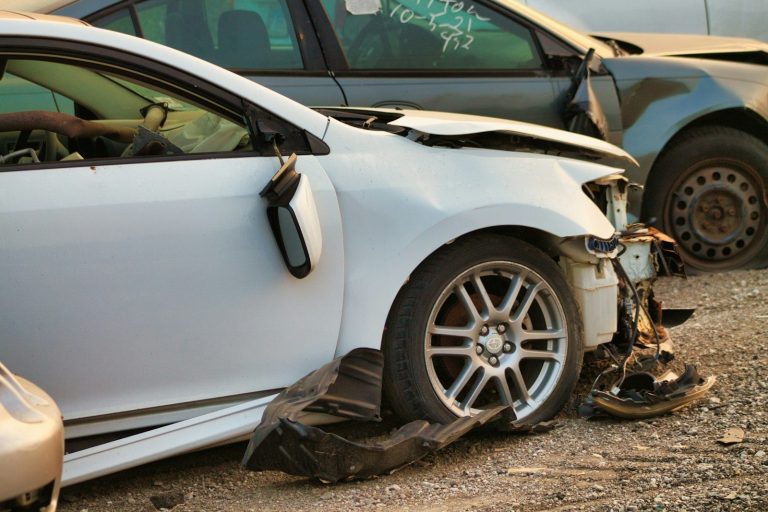
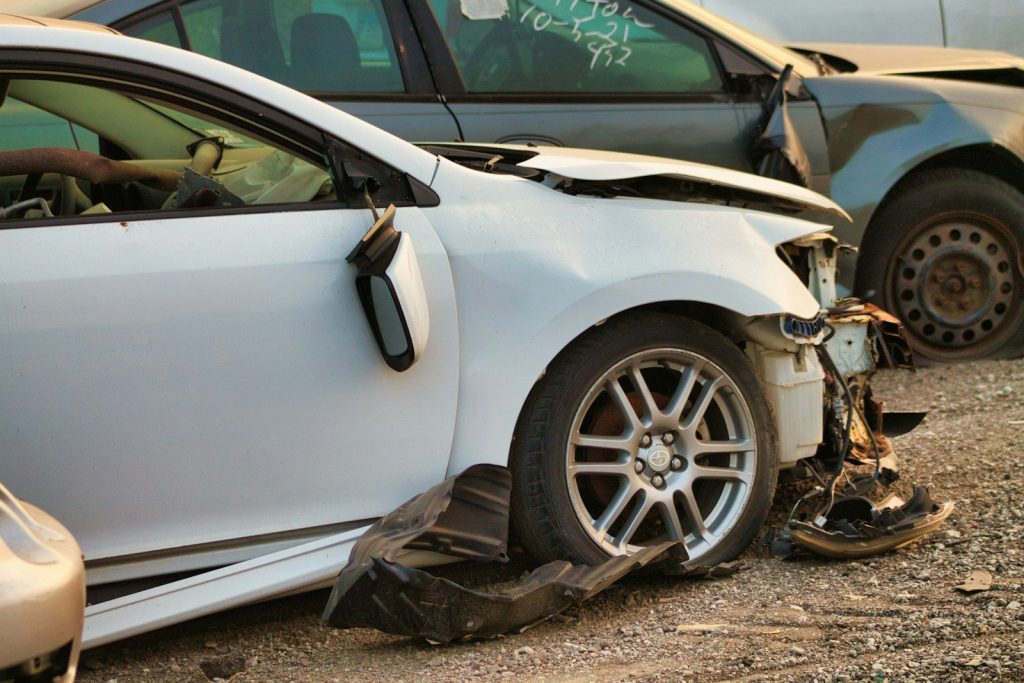
A damaged bumper is one of the most common results of a minor accident. Whether it happens in a parking lot, at a stoplight, or during heavy traffic, bumper damage can range from small scratches to deep cracks and hidden structural issues. Once you receive a repair estimate, the first question most drivers ask is: How Much Will Insurance Pay for Bumper Damage?
The answer depends on several factors, including your insurance coverage, deductible, fault determination, and the extent of the damage. Some claims result in full repair coverage, while others leave drivers paying a significant portion out of pocket.
This guide explains how insurers calculate payouts, what influences settlement amounts, and how you can maximize your claim. By understanding the process, you can approach your insurance company confidently and avoid costly mistakes.
Understanding What Affects Insurance Payouts
Before calculating numbers, it helps to understand what insurers evaluate when processing a bumper claim. The question How Much Will Insurance Pay for Bumper Damage cannot be answered without reviewing policy details.
Insurance companies consider:
- Type of coverage (collision, comprehensive, liability)
- Deductible amount
- Fault determination
- Vehicle age and market value
- Repair method and parts used
Each of these elements directly impacts the final settlement.
For example, if you have collision coverage with a $500 deductible and repairs cost $2,000, the insurer will typically pay $1,500. However, if you only carry liability insurance and caused the accident, your own bumper repairs may not be covered at all.
Understanding your policy structure is the first step toward estimating how much compensation you can expect.
Typical Bumper Repair Costs in Today’s Market
To evaluate How Much Will Insurance Pay for Bumper Damage, you need a realistic idea of repair costs.
Modern bumpers are more complex than they appear. Many include sensors, cameras, and radar systems for advanced driver assistance features. This increases repair costs significantly.
Here are common repair ranges:
- Minor scratches and paint touch-ups: $200–$600
- Small cracks or dents: $600–$1,200
- Full bumper replacement (standard vehicle): $1,200–$2,500
- Replacement with sensors and calibration: $2,500–$5,000
Luxury vehicles and SUVs with advanced safety systems can exceed $6,000 in total repair costs.
These numbers help frame realistic expectations before contacting your insurer.
Collision vs. Liability: Who Pays for the Damage?
One of the biggest factors influencing How Much Will Insurance Pay for Bumper Damage is fault.
If You Are at Fault
If you caused the accident, your collision coverage applies. You will pay your deductible, and insurance covers the remaining approved repair cost.
For instance, with a $1,000 deductible and a $3,000 repair bill, the insurer pays $2,000.
If Another Driver Is at Fault
If another driver caused the damage, their liability insurance should cover the full repair cost. In this situation, you typically do not pay a deductible.
However, disputes over fault can delay payment. In some cases, you may initially file under your own policy and seek reimbursement later.
The difference in fault determination can significantly change how much you receive.
How Insurers Calculate Settlement Amounts
Insurance companies do not simply write a check for the repair estimate you provide. They follow a structured evaluation process.
When asking How Much Will Insurance Pay for Bumper Damage, understand that adjusters review:
- Labor rates in your area
- Parts pricing (OEM vs aftermarket)
- Vehicle depreciation
- Pre-existing damage
If your estimate exceeds typical regional labor rates, the insurer may reduce the payout. Additionally, many insurers prefer aftermarket or recycled parts to lower costs.
If your vehicle is older, they may factor depreciation into certain components, particularly if repainting blends into adjacent panels.
OEM vs Aftermarket Parts and Their Impact
The type of parts used affects both repair quality and insurance payout.
OEM (Original Equipment Manufacturer) parts are made by the vehicle’s manufacturer. They generally offer better fit and finish but cost more.
Aftermarket parts are third-party replacements. They are cheaper but may vary slightly in alignment or material quality.
If your policy does not guarantee OEM parts, your insurer may approve a lower estimate using aftermarket components. This can reduce how much the company pays toward repairs.
Before settling, confirm which parts are included in the approved estimate.
You May Also Like: Collision Repair Deductible Cost
Deductibles and Out-of-Pocket Costs
Your deductible plays a direct role in determining How Much Will Insurance Pay for Bumper Damage.
Common deductibles range from $250 to $1,000. Choosing a higher deductible lowers your monthly premium but increases your financial responsibility after an accident.
For example:
- Repair cost: $2,200
- Deductible: $500
- Insurance payment: $1,700
If your deductible equals or exceeds the repair cost, insurance will not contribute.
Always compare your deductible to the estimate before filing a claim.
Settlement Tips to Maximize Your Claim
Getting the best possible payout requires preparation and clear communication.
Here are practical steps to improve your settlement outcome:
- Document damage thoroughly with high-resolution photos
- Obtain a detailed written repair estimate
- Verify whether sensors or safety systems need recalibration
- Ask for clarification on parts type (OEM or aftermarket)
- Review your policy before accepting a final offer
Clear documentation strengthens your position during negotiations.
From our experience covering collision repair operations and observing how adjusters interact with body shops, the most successful claims involve detailed estimates that include calibration procedures and hidden structural checks. Shops that document sensor alignment requirements often prevent underpayment issues.
Being proactive can increase the final settlement significantly.
Hidden Damage and Supplemental Claims
Bumper damage often appears minor at first glance. However, internal components such as reinforcement bars, brackets, or sensors may also be affected.
During repairs, technicians may discover additional damage. In these cases, the body shop submits a supplemental claim to the insurer.
If approved, the insurer increases the payout accordingly.
When estimating How Much Will Insurance Pay for Bumper Damage, remember that the first estimate may not reflect the final total. Supplements are common in modern repairs.
Total Loss Scenarios Involving Bumper Damage
Although rare, severe bumper impacts can trigger a total loss decision.
If your vehicle’s actual cash value is $8,000 and total repair costs exceed 70–80 percent of that amount, the insurer may declare it a total loss.
In that case, they will offer a settlement based on market value minus your deductible.
This situation is more common with older vehicles where repair costs quickly approach vehicle value.
Understanding your car’s current market worth helps you anticipate potential outcomes.
Timeline for Bumper Damage Claims
The claims process typically follows this timeline:
- Initial claim report: Same day
- Inspection or photo submission: 1–3 days
- Estimate approval: 3–7 days
- Repair duration: 2–10 days depending on parts availability
Complex repairs involving sensor calibration may take longer.
Delays often occur when parts are backordered or when insurers require additional inspections.
Staying in regular contact with your repair shop and insurer helps speed up the process.
Should You Always File a Claim?
Not necessarily.
If your repair cost is close to your deductible, filing a claim may not be financially beneficial. For example, if repairs cost $900 and your deductible is $1,000, insurance will not pay anything.
Additionally, filing a claim could increase your premium at renewal.
When evaluating How Much Will Insurance Pay for Bumper Damage, compare short-term reimbursement against potential long-term premium increases.
In some cases, paying out-of-pocket for minor cosmetic damage preserves your clean claims history.
Conclusion
So, How Much Will Insurance Pay for Bumper Damage? The final amount depends on your coverage type, deductible, fault determination, repair costs, and parts selection.
For at-fault accidents, collision coverage pays the repair cost minus your deductible. If another driver is responsible, their liability insurance typically covers the full amount. However, depreciation, labor rate adjustments, and aftermarket parts can influence the settlement.
The key to maximizing your payout is preparation. Document everything, review your policy carefully, and communicate clearly with both your insurer and repair shop.
With the right approach, you can ensure fair compensation while protecting your long-term financial stability.
You May Also Like: Auto Body Repair Cost in the US