
A reliable vehicle depends as much on its electrical network as on its mechanical parts. The Car Electrical System controls starting, charging, lighting, infotainment, and many safety features, making it essential for everyday operation. Understanding the fundamentals helps owners diagnose simple faults, communicate clearly with technicians, and prioritize preventive care.
This guide breaks down core components, common failure modes, basic diagnostics, and practical maintenance tips. It is written for drivers who want a clear, usable overview without technical overload. By the end, you will know which parts to check first when an electrical issue appears and how to keep the system healthy for years.
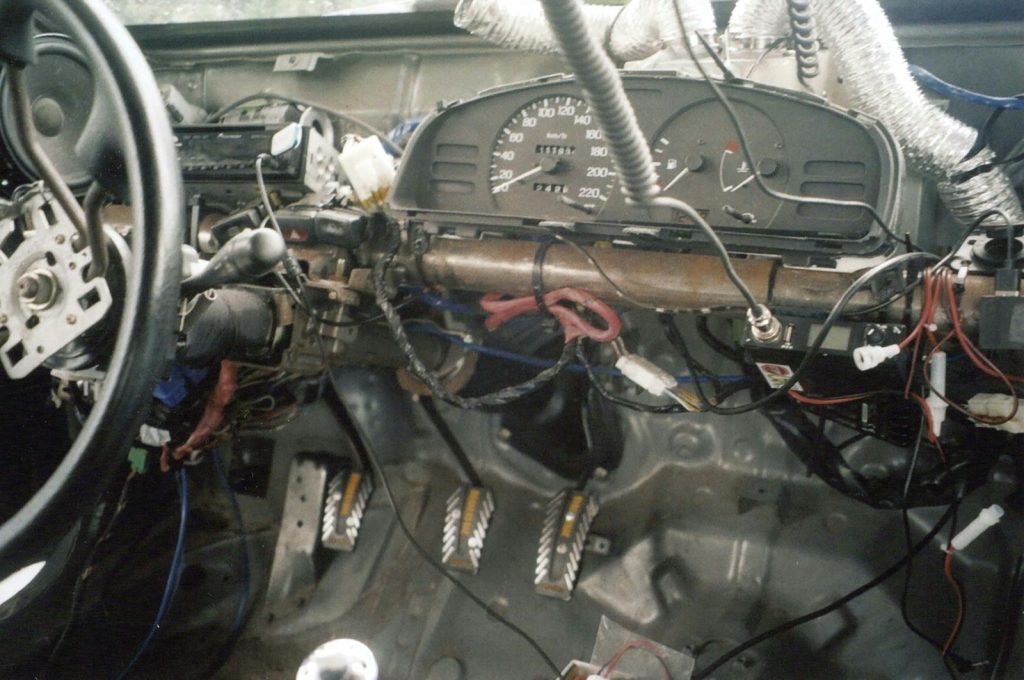
Core Components and Their Functions
The vehicle’s electrical architecture centers on a few key elements that generate, store, distribute, and control electrical energy. Each plays a distinct role in keeping the car operational and comfortable.
The battery stores electrical energy and supplies power for starting and accessories when the engine is off. The alternator recharges the battery and supplies current while the engine runs. The starter motor converts electrical energy into mechanical motion to crank the engine. Wiring harnesses and fuses distribute power and protect circuits from overload. Sensors, relays, and the vehicle’s control modules manage timing and safety functions.
Together, these parts form a network that balances high-current needs (starter and alternator) with low-current control circuits (sensors and lights). Recognizing how they interact makes it easier to trace faults and understand why a single symptom—like dim lights—can have multiple causes.
The Battery: Heart of the System
The battery is the most visible electrical component and often the first suspect when problems arise. Most modern cars use a 12-volt lead-acid battery with a capacity measured in ampere-hours (Ah) and a cold cranking amps (CCA) rating.
Battery life typically ranges from three to six years depending on climate, driving patterns, and maintenance. Hot climates accelerate internal corrosion and fluid loss, while frequent short trips prevent full recharge and shorten life. Regular checks include visual inspection for corrosion at terminals, ensuring secure mounting, and testing voltage and load capacity.
A healthy battery at rest should read about 12.6 volts. With the engine running, the alternator should raise system voltage to roughly 13.8–14.6 volts. If resting voltage is low but alternator output is normal, the battery may be failing to hold charge. Professional load testing provides a definitive assessment and usually costs $20–$50 at a shop.
Alternator and Charging System
The alternator converts mechanical energy from the engine into electrical energy to recharge the battery and power electrical systems while driving. It contains a rotor, stator, rectifier, and voltage regulator. Failure modes include worn brushes, diode failure, or a faulty regulator.
Symptoms of alternator problems include dimming lights at idle, a battery warning light on the dash, or a battery that repeatedly discharges. Alternator replacement costs vary widely—expect $300–$800 installed depending on vehicle complexity and whether a remanufactured unit is used.
Regular inspection of the drive belt and pulleys helps prevent alternator failure. A slipping or cracked belt reduces alternator output and can cause intermittent charging. Replacing a worn belt typically costs $25–$100 in parts and labor, depending on access and vehicle design.
Starter Motor and Ignition Circuit
The starter motor receives high current from the battery through a heavy-gauge cable and a starter relay or solenoid. When you turn the key or press the start button, the solenoid engages the starter gear with the flywheel and the motor cranks the engine.
Common starter issues include worn brushes, a failing solenoid, or poor electrical connections. Symptoms range from a single click when attempting to start to slow cranking or no response at all. Corroded battery terminals or a weak battery often mimic starter failure, so always verify battery health first.
Starter replacement typically costs $200–$600 including labor, but prices vary by model and accessibility. In some vehicles, the starter sits under the intake manifold or near the transmission, increasing labor time and cost.
Wiring, Fuses, and Connectors
Wiring harnesses route power and signals throughout the vehicle. Over time, wires can chafe, connectors can corrode, and insulation can degrade—especially in areas exposed to heat, moisture, or road salt. Fuses and circuit breakers protect circuits from overload and are the first line of defense against electrical fires.
A systematic visual inspection often reveals loose connectors, melted insulation, or blown fuses. Replace fuses with the correct amperage rating and use dielectric grease on connectors in high-moisture areas to reduce corrosion. For complex wiring faults, a wiring diagram and a multimeter are essential tools for tracing continuity and voltage.
Modern vehicles use multiplexed networks and CAN bus systems to reduce wiring bulk. While these systems improve reliability, they also require specialized diagnostic tools when faults occur, so complex electrical issues often need professional attention.
Sensors, Relays, and Control Modules
Sensors measure temperature, pressure, speed, and position, sending signals to control modules that manage engine timing, fuel delivery, and safety systems. Relays act as electrically controlled switches to handle high-current loads like fuel pumps and cooling fans.
A failing sensor can trigger a check engine light and cause drivability issues such as rough idle or poor fuel economy. Diagnostic trouble codes (DTCs) stored in the vehicle’s computer point technicians to the likely subsystem. Replacing sensors is often straightforward, but calibration or software updates may be necessary afterward.
Control modules themselves can fail due to water intrusion, heat, or electrical surges. Module replacement can be costly—ranging from $200 for simple modules to $1,500 or more for advanced units—and may require programming to the vehicle’s VIN.
Basic Diagnostic Tools and Techniques
A few basic tools allow owners to perform meaningful checks before visiting a shop. A digital multimeter measures voltage, current, and resistance and is indispensable for electrical troubleshooting. A battery tester or load tester evaluates battery health. An OBD-II scanner reads diagnostic codes and live sensor data from the vehicle’s computer.
Start diagnostics by checking battery voltage and connections, then verify alternator output with the engine running. If the vehicle shows a check engine light, read the codes and research common causes for those specific codes. For intermittent faults, wiggle tests on connectors and harnesses while monitoring voltage can reveal loose contacts.
For safety, always disconnect the battery when working on high-current circuits and follow manufacturer procedures for airbag and SRS systems. If you lack confidence or the problem involves complex modules or wiring, seek a certified technician.
Also Read: Automotive Car Parts and Their Functions
Maintenance Practices to Extend Lifespan
Routine maintenance reduces the likelihood of electrical failures and keeps systems operating efficiently. Simple, regular tasks prevent many common issues and are inexpensive compared to major repairs.
- Clean battery terminals and apply anti-corrosion spray.
- Inspect belts and replace if cracked or glazed.
- Check fuses and replace any that are blown with the correct rating.
- Secure loose wiring and protect exposed harnesses with conduit or tape.
- Keep engine bay drains clear to prevent water pooling near electrical components.
Replacing a battery proactively at three to five years, depending on climate and usage, avoids inconvenient failures. Budgeting $100–$250 for a quality battery and $50–$150 annually for basic checks is a cost-effective approach to reliability.
Common Problems and How to Respond
Electrical faults present in predictable ways, and a logical approach helps isolate the cause quickly. Start with the simplest potential causes and work toward more complex systems.
If the car won’t start, check battery voltage and terminal condition first. If lights dim while driving, test alternator output. Intermittent electrical gremlins often point to loose connectors, grounding issues, or failing relays. A persistent check engine light requires code reading and targeted testing.
Avoid common mistakes such as replacing parts without proper diagnosis or using incorrect fuse ratings. These actions can mask the real problem or create new hazards. When in doubt, document symptoms and recent events—such as water exposure or recent repairs—to help the technician diagnose efficiently.
Safety Considerations
Working with vehicle electricity carries risks. High-current circuits can cause burns, and short circuits can start fires. Always follow safety precautions: wear eye protection, disconnect the negative battery terminal before major work, and avoid metal jewelry when handling batteries or starter cables.
Be cautious with jump-starting procedures; incorrect connections can damage sensitive electronics. Use a quality jumper pack or follow manufacturer-recommended jump-start steps. If the vehicle has a hybrid or high-voltage system, do not attempt repairs—these systems require specialized training and equipment.
Experience Perspective
Our team has spent years visiting repair shops, observing roadside assistance calls, and troubleshooting electrical faults across a wide range of vehicles. We have seen how a corroded battery terminal can immobilize a family on a cold morning and how a simple alternator test saved a driver from an expensive tow. Field experience shows that methodical checks—starting with battery and charging system—resolve most common issues quickly. That practical exposure shaped the prioritized advice in this article and underscores the value of basic tools and preventive checks.
Practical Checklist and Tools to Keep
Use this concise checklist to perform a basic electrical health check at home or before a long trip. It helps you catch issues early and communicate clearly with service providers.
- Inspect battery terminals and clean corrosion.
- Measure resting battery voltage and alternator output.
- Check fuses and replace any blown units with correct ratings.
- Verify headlights, brake lights, and indicators function.
- Inspect wiring harnesses for chafing or exposed conductors.
- Keep a multimeter, jumper cables, and a compact tool kit in the trunk.
Keeping records of tests and replacements helps track component life and supports resale value.
Conclusion
A well-maintained Car Electrical System ensures reliable starting, safe lighting, and dependable operation of modern vehicle features. Understanding the roles of the battery, alternator, starter, wiring, and control modules empowers owners to perform basic diagnostics and make informed service decisions. Regular inspections, simple preventive steps, and the right tools reduce the risk of unexpected failures and costly repairs.
Adopt a routine of visual checks, battery testing, and timely replacement of wear items. When problems exceed basic troubleshooting, provide technicians with clear symptom descriptions and any diagnostic data you collected. With attention and a methodical approach, most electrical issues are manageable and preventable, keeping your vehicle dependable for years to come.
Also Read: The Ultimate Car Maintenance Guide