
Brakes are the most critical safety system on any vehicle. Proper care keeps stopping distances short, prevents costly repairs, and protects passengers and other road users. This simple guide explains what to inspect, when to service components, and how to respond to warning signs so you can keep braking performance reliable and predictable.
A clear routine reduces the chance of sudden failures and helps you budget for parts and labor. The following sections cover basic inspections, common wear items, DIY checks, professional services, and realistic cost estimates. Read through the checklist and adopt the steps that match your driving habits and local conditions.
Why Brake Care Matters
Maintaining braking components preserves safety and vehicle value. Worn pads, contaminated fluid, or warped rotors can increase stopping distance and create dangerous situations, especially in wet or icy conditions. Regular attention also prevents secondary damage—neglected pads can ruin rotors, and corroded lines can lead to leaks.
Brake systems are hydraulic and mechanical; they rely on fluid pressure, friction materials, and precise mechanical linkages. Small problems often show early signs such as noise, vibration, or pedal changes. Catching these signs early keeps repair costs modest and avoids emergency breakdowns.
Core Brake Components and Their Roles
Understanding the main parts helps you identify issues and communicate with technicians. The primary components include pads, rotors (or drums), calipers, brake lines, master cylinder, and brake fluid.
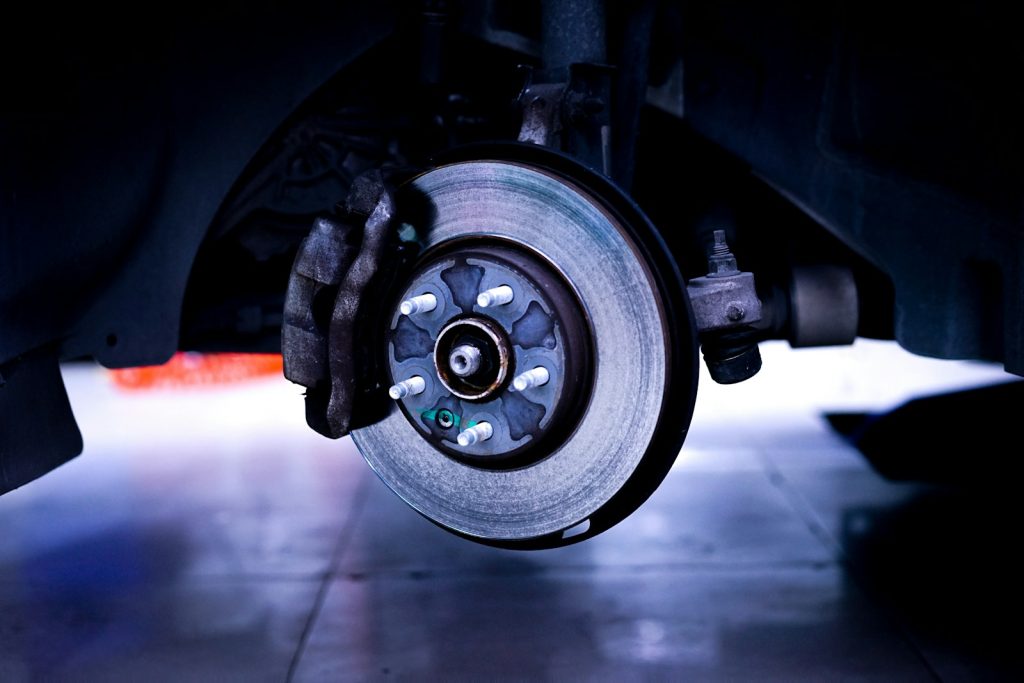
Brake pads press against rotors to create friction and slow the vehicle. Rotors provide the surface for that friction; they can warp or develop grooves. Calipers house the pistons that push pads onto rotors and must slide freely. Brake lines and hoses carry hydraulic pressure; any leak or internal collapse reduces braking force. The master cylinder generates pressure when you press the pedal, and the brake fluid transmits that pressure while resisting boiling and moisture contamination.
Routine Inspection Checklist
A monthly visual check takes only a few minutes and prevents many common failures. Use this checklist to make inspections consistent and effective.
- Inspect pad thickness through the wheel spokes or remove the wheel for a closer look.
- Look for scoring, rust, or heat discoloration on rotors.
- Check for fluid leaks around calipers, lines, and the master cylinder.
- Press the brake pedal and note travel and firmness.
- Listen for squeal or grinding noises during braking.
If you find metal-on-metal noise, deep grooves, or a soft pedal, schedule service promptly. These symptoms indicate urgent attention is needed to avoid further damage or loss of braking ability.
How Often to Replace Pads and Rotors
Replacement intervals vary by driving style, vehicle type, and pad material. Typical ranges provide a practical baseline:
- Brake pads: 25,000–70,000 miles depending on compound and use.
- Rotors: 50,000–70,000 miles, or sooner if warped or below minimum thickness.
Aggressive driving, frequent towing, and city stop-and-go traffic shorten pad life. Ceramic pads last longer and produce less dust but cost more; semi-metallic pads offer strong initial bite and durability but can be noisier. When replacing pads, measure rotor thickness and resurface or replace rotors if they are below the manufacturer’s minimum or show excessive runout.
Brake Fluid: Why It Matters and When to Change
Brake fluid is hygroscopic—it absorbs moisture over time. Moisture lowers the fluid’s boiling point and promotes internal corrosion in master cylinders and ABS modules. Most manufacturers recommend replacing brake fluid every 2–3 years, though some modern fluids and vehicles may have longer intervals.
A simple brake fluid change costs $80–$150 at most shops. If the fluid is dark or contains visible particles, replace it sooner. During a fluid change, technicians flush the old fluid, bleed the system to remove air, and refill with the correct DOT-rated fluid specified by the vehicle maker.
Recognizing Common Brake Problems
Early detection prevents escalation. Learn the typical symptoms and what they likely indicate.
- Squealing or squeaking: Often caused by wear indicators or glazed pads.
- Grinding: Metal-on-metal contact; pads are likely worn through and rotors may be damaged.
- Pulsation in the pedal: Rotor warpage or uneven thickness causing vibration under braking.
- Soft or spongy pedal: Air in the lines, contaminated fluid, or a failing master cylinder.
- Pulling to one side: Uneven pad wear, caliper sticking, or a collapsed hose.
When you notice any of these signs, avoid heavy braking and have the system inspected. Driving with compromised brakes increases stopping distance and the risk of accidents.
DIY Checks and Simple Maintenance
Many basic checks are safe for owners to perform with minimal tools. These tasks help you monitor condition and catch issues early.
- Measure pad thickness visually or with a caliper; replace pads before they reach the minimum.
- Check fluid level in the master cylinder reservoir and top up with the correct DOT fluid if low.
- Inspect brake hoses for cracks, bulges, or soft spots.
- Clean brake dust from wheels and calipers using a non-corrosive cleaner.
- Test parking brake operation and adjust if necessary.
Do not attempt to machine rotors or replace hydraulic components unless you have the proper tools and training. Brake work affects safety; when in doubt, consult a professional.
Professional Services and When to Seek Them
Certain tasks require specialized tools and expertise. A qualified technician should handle:
- Brake pad and rotor replacement when rotors need machining or replacement.
- Brake fluid flush and ABS module bleeding.
- Caliper rebuilds or replacement.
- Master cylinder replacement and system diagnostics.
- Complex ABS or electronic parking brake repairs.
A typical pad-and-rotor replacement per axle costs $150–$400 depending on parts quality and labor rates. Full system overhauls or ABS repairs can range from $500 to $2,000 or more. Always request a written estimate and ask whether parts are OEM or aftermarket.
Brake Bedding and Break-In Procedures
New pads and rotors require a bedding process to transfer a thin layer of friction material onto the rotor surface. Proper bedding ensures consistent braking performance and reduces noise and vibration.
A common bedding routine involves a series of moderate decelerations from 30–60 mph down to 5–10 mph without coming to a full stop, repeated 8–10 times, followed by a few harder stops to stabilize the transfer layer. Avoid heavy braking for the first 200 miles to allow materials to seat properly. Follow the pad manufacturer’s specific bedding instructions for best results.
ABS, ESC, and Electronic Systems
Modern vehicles include electronic aids such as ABS and ESC that interact with the hydraulic system. These systems rely on wheel speed sensors, valves, and the hydraulic control unit.
If the ABS warning light illuminates, the system may be disabled and the vehicle will revert to conventional braking. Have the fault codes read and repaired promptly. Common causes include faulty wheel speed sensors, corroded connectors, or low fluid. Electronic parking brakes require special procedures for service; consult the owner’s manual or a dealer for guidance.
Seasonal and Environmental Considerations
Climate and road conditions affect brake wear and maintenance needs. In coastal or winter regions, salt and moisture accelerate corrosion of rotors, calipers, and lines. Regular washing of the undercarriage and brake components helps reduce rust.
In mountainous or towing scenarios, brakes experience higher thermal loads. Use appropriate pad compounds and consider heavy-duty rotors or upgraded cooling solutions for frequent downhill braking. For drivers in hot climates, ensure fluid is fresh and rated for higher boiling points to avoid fade.
Safety Practices and Emergency Preparedness
Safe driving habits and preparedness reduce the risk of brake-related incidents. Practice controlled emergency stops in a safe area to understand your vehicle’s braking behavior. Keep a basic emergency kit with reflective triangles, a flashlight, and gloves.
If you experience brake failure while driving, follow these steps: downshift to lower gears to use engine braking, pump the brake pedal if it is soft to build pressure, use the parking brake gradually if necessary, and steer to a safe location. Avoid abrupt steering maneuvers at high speed; controlled deceleration is safer.
Parts Selection and Quality Considerations
Choosing the right replacement parts affects performance and longevity. Options include OEM parts, reputable aftermarket brands, and performance-oriented components.
- OEM parts match factory specifications and often carry warranties.
- Quality aftermarket pads and rotors can offer improved performance or value.
- Performance pads provide stronger bite and fade resistance but may increase noise and rotor wear.
When replacing pads, consider compound, dust levels, noise, and expected lifespan. For rotors, choose properly balanced, correctly sized units and follow torque specifications for wheel lug nuts to avoid rotor distortion.
Practical Cost Estimates and Timeframes
Understanding typical costs helps you plan and avoid surprises. Below are approximate ranges:
- Brake pad replacement (per axle): $100–$300.
- Rotor replacement (per axle): $150–$400.
- Brake fluid flush: $80–$150.
- Caliper replacement: $200–$500 each.
- Master cylinder replacement: $250–$700.
Labor times vary by vehicle; a pad-and-rotor job often takes 1–3 hours per axle. Always get a written estimate and ask about warranties on parts and labor.
Quick Reference: When to Act Immediately
Certain symptoms require immediate attention to avoid danger:
- Grinding noise during braking.
- Brake pedal sinks to the floor.
- Brake warning light illuminated.
- Brake fluid leak visible under the vehicle.
- Severe pulling to one side while braking.
If you encounter any of these, stop driving when safe and have the vehicle inspected without delay.
Experience Perspective
Our team has spent years visiting repair shops, observing brake rebuilds, and assisting drivers after roadside incidents. We have seen how timely pad replacement and fluid changes prevented rotor damage and how deferred service led to costly caliper and ABS module failures. Field experience shows that a simple monthly visual check and prompt attention to unusual noises or pedal feel prevent most brake-related emergencies. That hands-on exposure shaped the practical, prioritized advice in this guide.
Simple Maintenance Checklist
Use this concise checklist to keep braking systems in good condition:
- Check pad thickness monthly.
- Inspect rotors for scoring and measure thickness annually.
- Replace brake fluid every 2–3 years.
- Clean calipers and remove excessive dust during tire rotations.
- Test parking brake and adjust as needed.
- Scan for ABS codes if the warning light appears.
Keeping a maintenance log with dates and mileage helps technicians diagnose recurring issues and supports resale value.
Conclusion
Car brake maintenance is essential for safety, reliability, and cost control. Regular inspections, timely pad and rotor replacement, periodic fluid changes, and attention to warning signs keep braking performance consistent and predictable. Adopt a simple routine—monthly visual checks, scheduled fluid service, and professional inspections when symptoms appear—to protect yourself and others on the road.
Prioritize safety over short-term savings: addressing small issues early prevents larger repairs and reduces the risk of accidents. With consistent care and informed choices about parts and service, your braking system will remain dependable for years to come.
Also Read: The Ultimate Car Maintenance Guide