
Choosing the right family car is one of the most important decisions for households that rely on a single vehicle for daily routines, weekend trips, and long-distance travel. A good family car must balance comfort, safety, interior space, and practicality, while still being reliable and efficient. This is why many buyers search for best family cars recommendations before making a final decision.
Family needs evolve over time. What works for a couple with one child may not be suitable for a growing family with teenagers, pets, and frequent road trips. Modern automotive manufacturers respond to these demands with vehicles that focus on advanced safety systems, flexible seating, and smart storage solutions.
This article provides an in-depth guide to the best family car choices available today. It explains what truly matters when selecting a family vehicle, explores popular segments, and highlights key considerations that help families make confident, long-term decisions.
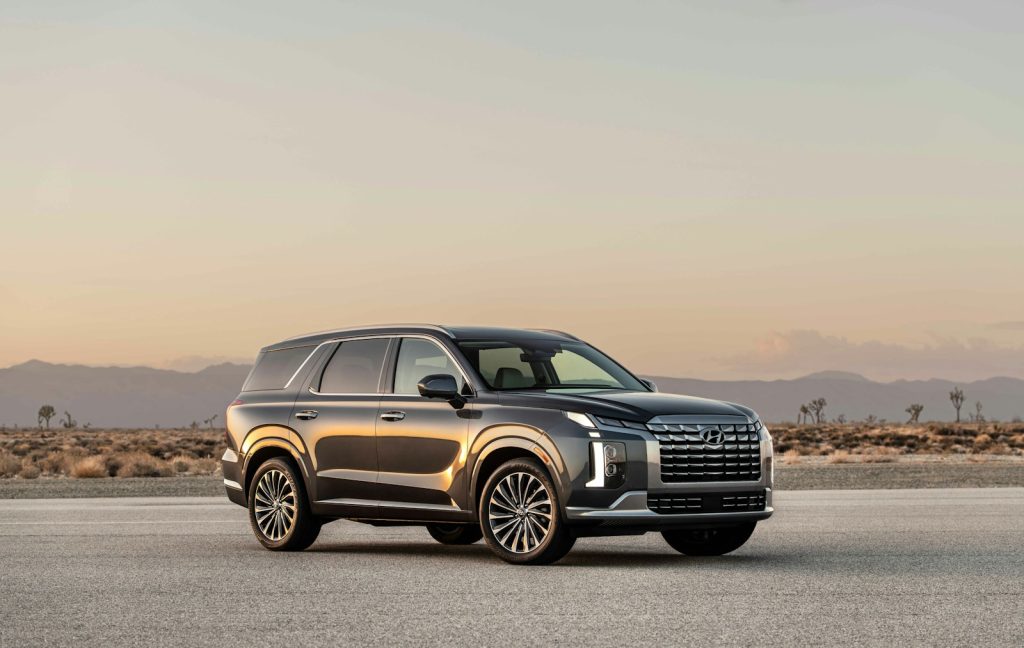
What Makes a Car Ideal for Family Use
Before reviewing specific models or categories, it is essential to understand what defines a family-friendly vehicle. When people look for best family cars options, they are usually prioritizing a combination of comfort, safety, and space rather than performance alone.
A family car must accommodate passengers of different ages while offering easy access, good visibility, and a smooth ride. Interior ergonomics matter just as much as engine specifications. Parents often value quiet cabins, durable materials, and intuitive controls.
Equally important is versatility. A family vehicle should adapt to daily school runs, grocery shopping, and extended vacations without feeling cramped or inconvenient.
Core Criteria Families Should Consider
The most important factors when choosing a family car include:
- High safety ratings and modern driver-assistance systems
- Spacious cabin with flexible seating arrangements
- Adequate cargo space for strollers, bags, and sports gear
- Comfort features for long journeys
- Reasonable fuel efficiency and maintenance costs
These elements form the foundation of a vehicle that can support family life over many years.
Safety Features That Matter Most for Families
Safety is often the top priority when evaluating best family cars choices. Modern vehicles offer far more than basic airbags and seatbelts. Advanced safety technology has become a defining feature of family-oriented models.
Crash test ratings from recognized organizations provide valuable insights into how a vehicle performs in real-world collisions. However, active safety features that help prevent accidents are equally important.
Systems such as automatic emergency braking, lane-keeping assistance, and blind-spot monitoring reduce driver fatigue and improve overall awareness, especially during busy urban driving.
Active and Passive Safety Explained
Passive safety features protect occupants during a crash, while active systems work to prevent accidents altogether. For family use, both are essential.
Key safety technologies often found in family cars include:
- Multiple airbags for all seating rows
- ISOFIX or LATCH child seat anchors
- Adaptive cruise control for highway driving
- Rear cross-traffic alert for parking situations
Vehicles equipped with these features tend to perform better in real-world safety evaluations and provide peace of mind for parents.
Interior Space and Seating Flexibility
Space is a defining characteristic of any family vehicle. When buyers search for best family cars recommendations, they usually want a car that can comfortably handle passengers and cargo at the same time.
Interior space is not just about legroom. Headroom, shoulder room, and seat design all contribute to comfort, especially on longer journeys. Sliding rear seats, folding seatbacks, and adjustable configurations add practical value.
Third-row seating has become increasingly common, even in midsize SUVs. However, not all third rows are equally usable, particularly for adults.
Understanding Practical Cabin Layouts
A well-designed family interior often includes:
- Wide-opening doors for easy child seat access
- Flat load floors when seats are folded
- Multiple storage compartments for small items
- Rear air vents and charging ports
These features make daily use easier and reduce stress during busy routines.
Popular Family Car Segments Explained
Family cars come in several segments, each offering different strengths. Understanding these categories helps narrow down best family cars choices based on lifestyle and priorities.
Sedans, SUVs, minivans, and crossovers all appeal to different types of families. While sedans offer efficiency and ease of driving, SUVs and minivans prioritize space and versatility.
The rise of compact and midsize SUVs reflects changing family preferences, as these vehicles combine car-like handling with increased cargo capacity.
Comparing Major Family Vehicle Types
Each segment offers distinct advantages:
- Sedans provide fuel efficiency and lower purchase costs
- Compact SUVs balance space and maneuverability
- Midsize SUVs offer three-row seating and stronger engines
- Minivans deliver maximum interior space and sliding doors
Choosing the right segment depends on family size, driving habits, and storage needs.
Comfort and Convenience for Daily Family Life
Comfort plays a significant role in long-term satisfaction. Families spending hours in traffic or on road trips quickly notice ride quality, seat support, and cabin noise. This is why comfort is central to best family cars evaluations.
Modern family vehicles focus on suspension tuning that smooths rough roads while maintaining stability. Supportive seats reduce fatigue, and climate control systems ensure consistent comfort for all passengers.
Convenience features also matter. Hands-free tailgates, keyless entry, and intuitive infotainment systems simplify daily routines.
Features That Enhance Everyday Comfort
Family-focused comfort features often include:
- Multi-zone climate control
- Power-adjustable driver and passenger seats
- Quiet cabin insulation
- Easy-to-clean interior materials
These details may seem minor but significantly improve the ownership experience over time.
Technology and Infotainment for Families
Technology has become a core part of modern family vehicles. When considering best family cars options, infotainment systems and connectivity features influence both convenience and safety.
Parents rely on navigation systems, smartphone integration, and voice commands to stay focused on the road. Rear-seat entertainment systems can also be valuable during long trips, keeping children engaged.
User-friendly interfaces are especially important. Complicated menus can distract drivers and frustrate passengers.
Smart Tech That Supports Family Driving
Useful technology features include:
- Apple CarPlay and Android Auto integration
- Large, clear touchscreen displays
- Voice-activated controls
- Multiple USB ports across rows
These features help create a connected, enjoyable driving environment for everyone.
Fuel Efficiency and Ownership Costs
Long-term affordability is a key consideration when evaluating best family cars selections. Purchase price is only one part of the equation. Fuel consumption, insurance, maintenance, and resale value all affect total ownership cost.
Many modern family vehicles use turbocharged engines or hybrid systems to improve efficiency. Hybrid SUVs and crossovers, in particular, offer fuel savings without sacrificing space.
On average, a fuel-efficient family SUV can save several hundred dollars per year compared to older, less efficient models.
Balancing Cost and Practicality
Families should consider:
- Real-world fuel economy ratings
- Warranty coverage and service intervals
- Insurance group classifications
- Long-term resale trends
A slightly higher upfront cost can often be justified by lower running expenses over time.
Best Family Car Picks by Category
Rather than focusing on individual models, it is often more helpful to identify strong categories. This approach aligns well with how buyers evaluate best family cars options based on their specific needs.
Compact SUVs are ideal for small families, while midsize SUVs suit larger households. Minivans remain unmatched for space and child-friendly features, despite their declining popularity.
Sedans still appeal to families prioritizing efficiency and ease of driving, especially in urban environments.
Category-Based Recommendations
Common family-friendly categories include:
- Compact SUVs for daily versatility
- Midsize SUVs for three-row seating
- Minivans for maximum interior space
- Hybrid family cars for fuel efficiency
Each category serves a distinct purpose and fits different lifestyles.
Experience From the Field: Professional Insight
Our team has spent years covering automotive launch events, long-term vehicle tests, and family-focused driving evaluations. Through direct experience, we have assessed how best family cars contenders perform in real-world family scenarios.
In extended test drives, vehicles with flexible seating and intuitive technology consistently scored higher in satisfaction. We observed that families valued ease of access, cabin quietness, and smart storage more than aggressive styling or high horsepower.
These insights highlight that successful family cars are defined by thoughtful design rather than headline specifications.
How to Choose the Right Family Car for Your Needs
With so many options available, choosing the right vehicle can feel overwhelming. The key is aligning priorities with realistic usage. Buyers comparing best family cars lists should focus on daily routines rather than rare scenarios.
Test drives are essential. Sitting in the second and third rows, checking cargo space with seats folded, and evaluating visibility all reveal practical strengths and weaknesses.
Involving all family members in the decision often leads to better long-term satisfaction.
A Simple Decision-Making Approach
To simplify the process:
- Define your family size and growth expectations
- Set a realistic budget for purchase and ownership
- Prioritize safety and space over styling trends
- Compare categories before narrowing to specific models
This structured approach reduces uncertainty and helps avoid costly mistakes.
Future Trends in Family Cars
The future of family vehicles is evolving rapidly. Electrification, advanced driver assistance, and smarter interiors are shaping the next generation of best family cars options.
Electric SUVs and hybrids are becoming more common, offering quiet operation and lower running costs. Semi-autonomous features continue to improve highway driving comfort and safety.
As technology advances, family cars will likely become even more adaptable, efficient, and connected.
Conclusion
Finding the right family car requires careful consideration of safety, comfort, space, and long-term value. Rather than chasing trends, families benefit most from vehicles that support daily life with thoughtful design and reliable performance. This is why best family cars discussions remain highly relevant for buyers worldwide.
By understanding key criteria, exploring different vehicle segments, and focusing on real-world needs, families can make confident decisions that serve them for years. A well-chosen family car is more than transportation; it is a trusted companion for everyday moments and lasting memories.
With the right balance of features and practicality, today’s family vehicles offer comfort, protection, and versatility that make every journey safer and more enjoyable.
Also Read: How Long Should You Keep Your Car Before Replacing It