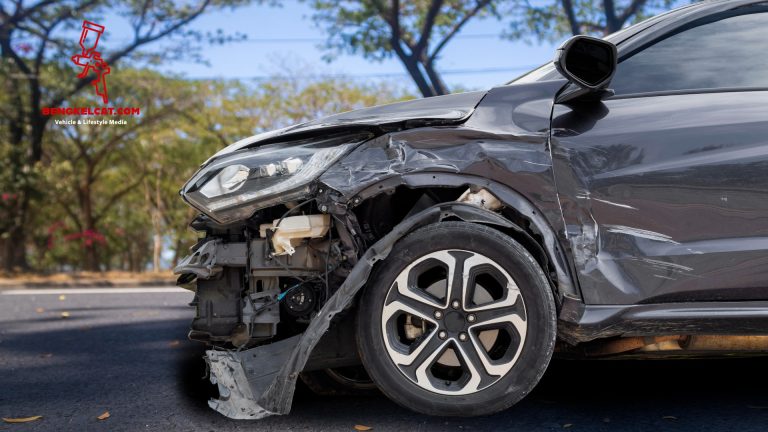
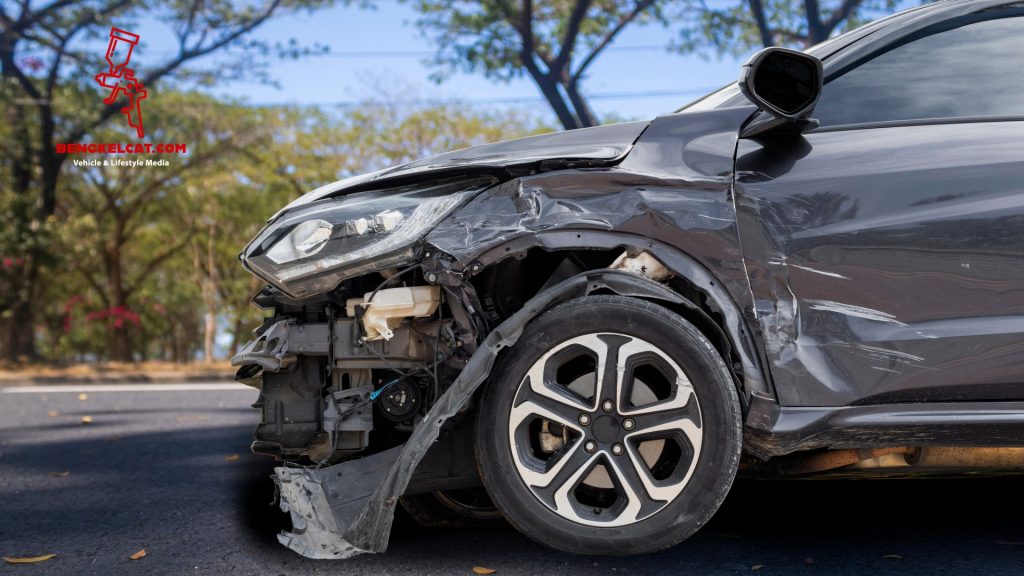
At first, a scratched or dented fender feels like a minor annoyance. But once repair shops start recommending a total panel replacement, that budget-friendly mindset goes out the window, and you’re stuck wondering how much it’s really going to set you back.
Understanding the true Fender Replacement Cost becomes even more important when you discover that prices vary significantly depending on whether you choose OEM or aftermarket parts.
The decision is not just about the sticker price of a panel. It involves paint matching, labor rates, fitment quality, warranty coverage, and even resale value. In some cases, choosing the wrong option can increase long-term expenses rather than reduce them.
This guide breaks down the real-world pricing differences between OEM and aftermarket fenders, explains when each option makes sense, and helps you make a financially smart decision after an accident.
What Is Included in Fender Replacement Cost?
Before comparing the prices of genuine (OEM) and aftermarket parts, it’s important to understand what’s typically included in the total cost of a fender replacement. Many drivers assume they’re just paying for the metal panel, but replacement involves more than just the part itself.
A complete replacement estimate usually includes:
- The fender panel (OEM or aftermarket)
- Labor for removal and installation
- Paint and refinishing
- Blending adjacent panels
- Clips, brackets, and fasteners
- Wheel alignment check if needed
Labor often represents 40–60% of the total bill. Paintwork can account for another significant portion, especially on vehicles with metallic or pearl finishes.
Because of these combined factors, total replacement costs can range anywhere from $700 to over $2,500 depending on the vehicle and parts chosen.
OEM Fenders: What You’re Really Paying For
OEM stands for Original Equipment Manufacturer. These parts are produced by or for the vehicle manufacturer and match factory specifications exactly.
1. Pricing Structure of OEM Panels
OEM fender panels typically cost between $400 and $1,200 for standard vehicles. For luxury or imported models, prices can exceed $1,500 for the part alone.
When painting and installation are added, the total cost of replacing a fender using OEM components often ranges from $1,200 to $3,000.
Dealerships usually recommend OEM parts because they guarantee factory fit and finish. Insurance companies may also approve OEM replacements for newer vehicles under specific coverage terms.
2. Advantages of OEM Fenders
OEM panels offer several benefits:
- Perfect factory fit
- Consistent metal thickness
- Corrosion protection matching original standards
- Maintained manufacturer warranty (in some cases)
- Higher resale value preservation
Fitment accuracy reduces installation time and minimizes alignment issues. As a result, labor hours may be slightly lower compared to adjusting aftermarket panels.
3. Potential Drawbacks
The main downside is cost. OEM parts almost always increase the overall cost of fender replacement compared to alternative options.
Availability can also be an issue for older models. Shipping delays may extend repair timelines by several days or even weeks.
Aftermarket Fenders: Lower Price, Different Trade-Offs
Aftermarket fenders are produced by third-party manufacturers. They are designed to match original specifications but are not officially supplied by the vehicle brand.
1. Cost Comparison
Aftermarket fender panels usually cost between $150 and $600 for most vehicles. That represents savings of 30–60% compared to OEM pricing.
With paint and labor included, total Fender Replacement Cost using aftermarket parts often falls between $800 and $1,800.
For drivers paying out of pocket, this difference can be substantial.
2. Quality Variations
Not all aftermarket parts are equal. Some manufacturers produce high-quality panels that fit well and meet industry standards. Others may require adjustments during installation.
Common issues include:
- Slight gaps between panels
- Thinner metal
- Minor imperfections in stamping
- Additional labor for alignment
While these issues are often manageable, they can increase labor time and offset some initial savings.
3. Warranty Considerations
Most aftermarket panels come with limited warranties against defects. However, they do not carry the same brand-backed coverage as OEM components.
If maintaining factory warranty is critical, especially for newer vehicles, OEM parts may be the safer choice.
Labor Costs and Installation Differences
Regardless of the part chosen, labor remains a significant component of Fender Replacement Cost. Body shops typically charge between $70 and $150 per hour depending on location.
Replacing a fender usually requires:
- Removing the damaged panel
- Disconnecting lights or sensors
- Installing the new fender
- Aligning with hood and door panels
- Prepping and painting
The process typically takes 4 to 8 labor hours. Paint curing and blending may extend total repair time to 2–4 days.
OEM panels generally fit more precisely, reducing installation adjustments. Aftermarket panels may require additional fitting, slightly increasing labor charges.
Also Read: How Auto Body Shops Calculate Repair Costs
Paint Matching and Blending Costs
Many car owners overlook the refinishing process. Even if the new fender arrives primed, it still requires painting to match the vehicle’s color.
Modern automotive paint systems include multiple layers:
- Primer
- Base coat
- Clear coat
Blending into adjacent panels ensures color consistency, particularly for metallic and pearl finishes. Paintwork alone can cost between $400 and $1,000.
The cost of replacing the fender remains the same whether you choose OEM or aftermarket parts.
Insurance Coverage and Part Selection
Insurance policies often influence which type of part is used during repairs.
If you have comprehensive or collision coverage, your insurer may specify aftermarket parts to control claim costs.
However, some policies include OEM endorsements that guarantee factory parts for vehicles under a certain age.
Before approving repairs, review your policy and ask:
- Does coverage include OEM parts?
- What is the deductible?
- Will part choice affect resale value?
In many claims, the insurer’s goal is to restore the vehicle to pre-accident condition at the lowest reasonable cost.
When OEM Is Worth the Higher Price
While aftermarket parts offer savings, there are situations where OEM makes financial sense.
Choose OEM if:
- The vehicle is less than three years old
- You plan to sell the car soon
- You want guaranteed factory fit
- The car is luxury or performance-oriented
- Warranty preservation is important
In these cases, the higher cost of replacing the fender can protect the vehicle’s long-term value.
When Aftermarket Makes More Sense
Aftermarket panels often work well for older vehicles or cars with high mileage. If resale value is already lower, spending extra on OEM may not provide meaningful return.
Aftermarket options are also practical when:
- Paying out of pocket
- Repairing cosmetic damage only
- Insurance does not cover OEM parts
- Budget constraints are a priority
In many routine cases, aftermarket panels perform adequately and keep total expenses manageable.
Also Read: Fender Repair Cost – What a Small Fender Bender Really Costs
Our Direct Industry Observations
Our team has spent years covering collision repair operations and consulting with certified body shop technicians. During shop visits and repair evaluations, we observed that customers often assumed OEM was automatically superior.
However, experienced technicians frequently recommended high-quality aftermarket panels for certain mid-range vehicles to balance performance and cost.
We also witnessed cases where poorly manufactured aftermarket parts increased labor hours, raising the final Fender Replacement Cost close to OEM levels. These real-world examples highlight why part quality and installer expertise matter more than brand label alone.
Understanding both options from a practical repair perspective allows drivers to make more informed decisions.
Long-Term Impact on Resale Value
Part choice can influence resale negotiations. Savvy buyers sometimes request repair records after an accident.
Vehicles repaired with OEM panels may command slightly higher resale value. Buyers often feel more confident knowing factory components were used.
However, for older vehicles, the difference may be negligible. What matters most is repair quality, proper alignment, and paint consistency.
A well-installed aftermarket panel rarely deters buyers if workmanship is professional.
Regional Price Differences
Geographic location also affects Fender Replacement Cost. Labor rates in major metropolitan areas can exceed $150 per hour. In smaller towns, rates may fall closer to $70–$90 per hour.
Parts availability also varies by region. Shipping fees for OEM panels may increase expenses in remote areas.
Always request multiple estimates before proceeding. Price differences between shops can reach several hundred dollars.
How to Get the Best Value
To control costs without sacrificing quality, follow these steps:
- Obtain at least two written estimates
- Ask about part brand and origin
- Verify paint blending procedures
- Check warranty terms
- Review insurance policy details
These steps ensure transparency and prevent unexpected charges during the repair process.
Conclusion: Choosing Between OEM and Aftermarket
Understanding the full scope of Fender Replacement Cost helps you move beyond simple part pricing comparisons.
OEM panels offer factory precision and potential resale advantages, but they come with a higher price tag.
Aftermarket options provide meaningful savings, especially for older vehicles or out-of-pocket repairs.
In most cases, the total replacement expense ranges from $800 to $3,000 depending on part choice, vehicle type, and labor rates. Paint and installation costs remain consistent across both options.
The right decision depends on your vehicle’s age, insurance coverage, long-term plans, and budget flexibility.
By evaluating both immediate costs and future implications, you can select the replacement option that delivers true value rather than simply the lowest upfront price.
When handled properly by a skilled technician, either option can restore your vehicle’s appearance and structural integrity. The key is understanding the trade-offs before approving repairs.
Also Read: Auto Body Repair Cost in the US