Many drivers focus on oil changes, brake pads, and engine performance, yet overlook one critical aspect of vehicle maintenance: wheel alignment. It may not be as visible as worn tires or as urgent as a warning light, but it plays a major role in how a car drives, handles, and ages over time.
Understanding why wheel alignment is important for cars can help you prevent premature tire wear, improve fuel efficiency, and maintain safer handling. Alignment directly affects how your tires meet the road, and even small deviations can lead to costly consequences.
In this comprehensive guide, we will explore how wheel alignment works, the mechanical angles involved, warning signs of misalignment, financial impacts, and how proper alignment contributes to overall vehicle performance.
What Wheel Alignment Really Means
Wheel alignment refers to adjusting the suspension system so that the wheels are positioned at the correct angles according to the manufacturer’s specifications. It does not mean physically aligning the tires themselves, but rather fine-tuning the angles at which they contact the road.
When people ask why wheel alignment is important for cars, the answer begins with understanding three key alignment angles: camber, toe, and caster.
1. Camber Angle
Camber describes whether the top of the tire tilts inward or outward when viewed from the front.
If the top leans inward, it is called negative camber. If it leans outward, it is positive camber. Excessive camber causes uneven tire wear, especially along one edge of the tread.
2. Toe Alignment
Toe refers to the direction the tires point relative to each other when viewed from above.
If the front of the tires point inward, it’s called toe-in. If they point outward, it’s toe-out. Incorrect toe settings often lead to rapid tread wear and unstable steering.
3. Caster Angle
Caster affects steering stability and balance. It is the angle of the steering axis when viewed from the side of the vehicle.
Proper caster improves straight-line tracking and steering return after turns.
Each of these angles works together to ensure balanced tire contact and predictable handling.
The Safety Benefits of Proper Wheel Alignment
One of the primary reasons why wheel alignment is important for cars is safety. Misalignment can compromise steering control and braking performance without the driver immediately noticing.
When wheels are not properly aligned, the car may pull to one side. This constant correction increases driver fatigue and reduces control in emergency situations.
Improved Steering Stability
Correct alignment ensures the vehicle travels straight when the steering wheel is centered.
Without proper alignment:
- Steering feels loose or off-center
- The vehicle drifts on flat roads
- Steering response becomes inconsistent
Stable steering improves confidence, especially at highway speeds.
Better Braking Performance
Aligned wheels allow tires to maintain full contact with the road surface.
When alignment is off, braking force distributes unevenly. This can increase stopping distance, particularly in wet or slippery conditions.
Reduced Risk of Tire Blowouts
Uneven wear caused by misalignment weakens specific areas of the tire tread. Over time, this can lead to overheating and potential blowouts.
Safety alone explains a major part of why wheel alignment is important for cars, especially for families and long-distance drivers.
Financial Advantages of Regular Alignment
Beyond safety, cost savings are another strong argument for why wheel alignment is important for cars. Proper alignment protects several vehicle components and reduces operating expenses.
Longer Tire Lifespan
Tires are expensive. A set of four quality tires typically costs between $600 and $1,200 for most passenger vehicles.
Misalignment can reduce tire lifespan by up to 30%. Instead of lasting 50,000 miles, tires may need replacement at 35,000 miles or sooner.
Spending $80 to $150 on alignment once a year is significantly cheaper than replacing tires prematurely.
Improved Fuel Efficiency
When wheels are misaligned, tires create more rolling resistance. The engine must work harder to move the vehicle forward.
Even a small alignment issue can reduce fuel efficiency by 5% to 10%. Over the course of a year, that translates into noticeable fuel costs.
Reduced Suspension Wear
Alignment problems often place extra strain on suspension components such as tie rods, control arms, and ball joints.
Fixing suspension damage can cost hundreds or even thousands of dollars. Preventive alignment reduces this risk significantly.
Understanding these financial benefits further clarifies why wheel alignment is important for cars in the long term.
Signs Your Car Needs a Wheel Alignment
Many drivers ignore alignment issues because the symptoms develop gradually. Recognizing early warning signs helps prevent larger problems.
Here are common indicators:
- Vehicle pulls to one side
- Steering wheel is off-center
- Uneven or rapid tire wear
- Steering wheel vibration
- Squealing tires during turns
If you notice one or more of these signs, it is time for an inspection.
Uneven Tire Wear Patterns
Misalignment often causes wear on one edge of the tire tread.
For example:
- Excessive inner wear may indicate negative camber.
- Feathered tread patterns often suggest toe misalignment.
Regular tire inspections can reveal these patterns before major damage occurs.
Steering Wheel Off-Center
If your steering wheel sits slightly tilted while driving straight, alignment is likely off.
This is a subtle but important signal.
These symptoms demonstrate in real-world driving why wheel alignment is important for cars and should not be delayed.
When Should You Get a Wheel Alignment?
Vehicle manufacturers typically recommend alignment checks every 6,000 to 10,000 miles, or at least once per year.
However, certain situations require immediate attention.
After Hitting Potholes or Curbs
Strong impacts can knock wheels out of alignment instantly.
Even if the car seems fine afterward, internal angles may have shifted slightly.
After Installing New Tires
New tires should always be paired with alignment to ensure even wear from the beginning.
Skipping alignment at this stage may shorten the lifespan of brand-new tires.
After Suspension Repairs
Any work involving shocks, struts, or steering components should be followed by alignment.
These situations clearly highlight why wheel alignment is important for cars throughout different stages of ownership.
How Wheel Alignment Affects Driving Comfort
Comfort may not seem like a major issue, but it directly influences driving experience.
When alignment is correct, the vehicle feels stable, smooth, and predictable. Steering inputs translate accurately to wheel movement.
In contrast, poor alignment causes constant micro-adjustments while driving. Over long trips, this increases fatigue.
Drivers often report that their car feels “new again” after alignment service. This improved driving quality reinforces why wheel alignment is important for cars beyond technical specifications.
Professional Alignment vs. DIY Adjustments
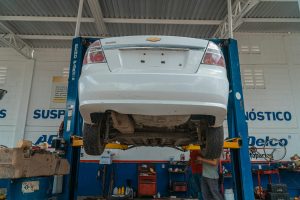
Modern vehicles require specialized alignment machines that use laser or camera-based systems.
These systems measure angles with high precision, often within fractions of a degree.
Attempting alignment without proper tools is not recommended. Minor miscalculations can worsen the issue.
Professional alignment services typically take 45 minutes to one hour. Some advanced vehicles may require additional time due to electronic steering systems.
The relatively short service time compared to the long-term benefits further explains why wheel alignment is important for cars in routine maintenance schedules.
Real-World Experience From Industry Coverage
From our direct experience covering automotive service centers and interviewing technicians, one pattern consistently appears. Vehicles brought in for routine alignment checks rarely suffer from severe tire damage or premature suspension wear.
In contrast, cars that skip alignment services often arrive with uneven tires worn down to unsafe levels. Technicians frequently point out that a simple alignment performed months earlier could have prevented hundreds of dollars in repairs.
Observing these real-world cases has reinforced our understanding of why wheel alignment is important for cars not just in theory, but in daily driving conditions.
The Long-Term Impact on Vehicle Value
Resale value depends heavily on maintenance history.
When potential buyers or dealers inspect a vehicle, uneven tire wear can signal neglected maintenance. This may reduce resale value or require tire replacement before sale.
Proper alignment supports consistent tire condition and demonstrates responsible ownership.
Over five to seven years of ownership, consistent maintenance including alignment can preserve hundreds to thousands of dollars in vehicle value.
This long-term perspective adds another dimension to why wheel alignment is important for cars.
Alignment and Modern Vehicle Technology
Modern cars include advanced driver assistance systems (ADAS) such as lane-keeping assist and adaptive cruise control.
These systems rely on accurate steering geometry.
Misalignment can interfere with sensor calibration, affecting system performance.
In some vehicles, alignment must be recalibrated alongside camera and radar systems after suspension work.
As vehicles become more technologically advanced, the technical relevance of why wheel alignment is important for cars continues to grow.
Conclusion
Wheel alignment may not attract attention like engine performance or braking systems, but it directly influences safety, cost efficiency, comfort, and vehicle longevity.
Proper alignment ensures balanced tire wear, stable steering, optimal fuel efficiency, and reduced suspension strain. It prevents premature tire replacement and enhances overall driving quality.
By scheduling alignment checks annually or after major impacts, drivers protect both their safety and financial investment.
Ultimately, understanding why wheel alignment is important for cars empowers vehicle owners to take proactive steps toward smarter maintenance, smoother driving, and long-term reliability.
Also Read: How to Prevent Uneven Tire Wear on Car