Your vehicle’s suspension system plays a critical role in maintaining comfort, control, and safety. It absorbs road impacts, stabilizes steering, and keeps your tires firmly connected to the pavement.
However, like any mechanical system, suspension components wear out over time. Understanding how to tell if suspension parts are worn can prevent expensive repairs and dangerous driving conditions.
Most suspension components are designed to last between 50,000 and 100,000 miles, depending on driving habits and road conditions.
Rough roads, potholes, and heavy loads accelerate wear. Unfortunately, suspension damage often develops gradually, making it harder to detect without careful observation.
Learning how to tell if suspension parts are worn allows you to act early.
By identifying warning signs and performing regular inspections, you can protect your vehicle’s handling performance and extend the life of related components such as tires and steering systems.
Understanding the Role of Suspension Components
Before identifying signs of wear, it helps to understand what the suspension system does.
It consists of shocks or struts, springs, control arms, ball joints, bushings, sway bars, and linkages.
Each component works together to provide stability and ride comfort.
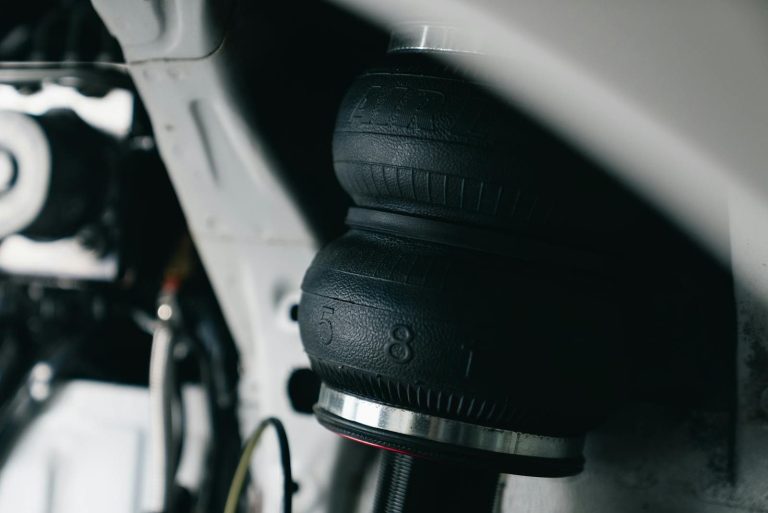
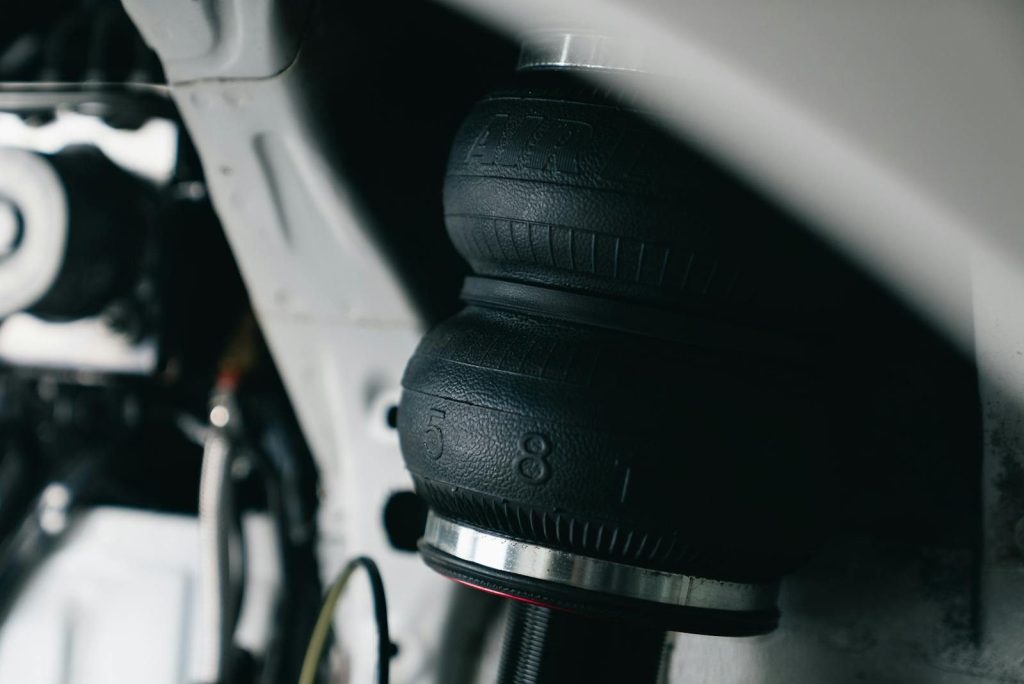
Shocks and struts control vertical movement after hitting bumps. Springs support the vehicle’s weight and absorb energy from road impacts.
Control arms and ball joints maintain wheel alignment and allow controlled steering movement.
When any of these parts deteriorate, you may notice changes in ride quality, steering response, or tire wear.
Recognizing these symptoms is the first step in understanding how to tell if suspension parts are worn effectively.
Changes in Ride Comfort and Handling
One of the earliest indicators of suspension wear is a noticeable shift in ride quality. A vehicle that once felt smooth may begin to feel unstable or harsh.
1. Excessive Bouncing After Bumps
If your car continues to bounce after driving over a speed bump or pothole, worn shocks or struts may be the cause. These components are responsible for dampening spring movement.
A simple bounce test can help. Push down firmly on the hood or trunk and release.
If the vehicle bounces more than two to three times before settling, the shocks may need replacement.
Understanding how to tell if suspension parts are worn often begins with paying attention to how the car reacts to everyday road irregularities.
Also Read: Signs Car Suspension Needs Replacement
2. Nose Diving During Braking
When the front of the vehicle dips sharply during braking, weakened struts may be failing to control forward weight transfer.
This symptom not only affects comfort but also increases braking distance. Replacing worn struts typically costs between $400 and $1,200 per axle, depending on the vehicle model.
3. Body Roll in Corners
If the vehicle leans excessively during turns, sway bar links or bushings could be worn. This reduces cornering stability and may cause the car to feel less predictable.
These handling changes provide clear clues when evaluating how to tell if suspension parts are worn in real driving conditions.
Unusual Noises While Driving
Strange sounds often signal mechanical wear. Car suspension systems contain many moving joints and rubber components that can degrade over time.
1. Clunking or Knocking Sounds
A clunking noise when driving over bumps may indicate worn ball joints or control arm bushings. These components connect wheels to the chassis and allow movement.
Ignoring these sounds can lead to more serious damage. In extreme cases, a failed ball joint can cause loss of steering control.
2. Squeaking or Creaking
Dry or deteriorated rubber bushings may produce squeaking noises, especially at low speeds or when turning.
Although squeaks may seem minor, they often signal that parts are no longer cushioning movement properly.
Recognizing these audio warning signs is another key part of how to tell if suspension parts are worn before larger problems develop.
Uneven or Rapid Tire Wear
Tires often reveal hidden suspension problems. Because suspension components maintain wheel alignment, worn parts can cause irregular tire contact with the road.
1. Uneven Tread Patterns
Inspect your tires regularly. If one side of the tread wears faster than the other, alignment or suspension issues may be present.
Common patterns include cupping, scalloping, or inner-edge wear. These patterns usually indicate worn shocks or struts failing to keep the tire firmly planted.
2. Increased Tire Replacement Frequency
If you find yourself replacing tires sooner than expected, suspension wear could be a contributing factor.
A set of four tires can cost between $500 and $1,500. Addressing suspension problems early protects this investment and improves overall performance.
Evaluating tire condition is one of the most practical methods when learning how to tell if suspension parts are worn.
Visual Inspection of Suspension Components
In addition to driving symptoms, physical inspection provides valuable insights.
1. Leaking Shock Absorbers
Shocks contain hydraulic fluid that helps dampen movement. If you notice oil leaking down the shock body, internal seals may have failed.
Leaking shocks lose effectiveness and should be replaced promptly.
2. Cracked or Torn Bushings
Rubber bushings absorb vibration and reduce metal-to-metal contact. Over time, exposure to heat, road debris, and chemicals causes cracking.
Damaged bushings may lead to clunking sounds and reduced ride comfort.
3. Sagging or Uneven Ride Height
Measure the distance from the ground to each wheel arch. If one corner sits lower than the others, a weakened spring could be the cause.
Replacing springs varies in cost but typically ranges from $300 to $800 depending on labor and part quality.
A thorough visual inspection complements other techniques for how to tell if suspension parts are worn accurately.
Steering and Alignment Issues
Steering performance is closely linked to suspension health. When parts wear out, steering may feel loose or unstable.
Pulling to One Side
If your vehicle drifts left or right without steering input, alignment problems or worn suspension joints could be responsible.
Although wheel alignment alone costs around $80 to $150, persistent pulling may indicate deeper mechanical wear.
Steering Wheel Vibration
Vibration at highway speeds may signal worn control arms or tie rod ends. While tire imbalance can also cause vibration, suspension inspection helps rule out mechanical issues.
Learning how to tell if suspension parts are worn includes recognizing these subtle but important steering changes.
When Professional Diagnosis Is Necessary
While many signs can be observed at home, some suspension issues require expert evaluation.
Certified mechanics use lifts and specialized tools to inspect ball joints, control arms, and bushings more closely.
They also measure alignment angles to detect irregularities invisible to the naked eye.
Our editorial team has previously collaborated with automotive service centers during vehicle durability coverage.
In hands-on inspections and road testing sessions, technicians demonstrated how small suspension defects often go unnoticed by drivers until significant damage occurs.
Observing this process firsthand reinforced the importance of early detection and regular maintenance.
Professional inspections typically cost between $50 and $150 but can save thousands in future repairs.
Key Warning Signs to Watch For
To summarize, here are common indicators that signal suspension wear:
- Excessive bouncing after bumps
- Nose diving during braking
- Clunking or squeaking noises
- Uneven tire tread wear
- Steering wheel vibration
- Vehicle pulling to one side
- Visible fluid leaks on shocks
- Uneven ride height
If you notice two or more of these symptoms simultaneously, immediate inspection is recommended.
Recognizing these red flags simplifies the process of how to tell if suspension parts are worn before safety becomes compromised.
The Cost of Ignoring Suspension Wear
Delaying repairs can escalate expenses quickly. A worn bushing may cost $200 to replace, but if neglected, it can damage control arms costing over $1,000.
Similarly, failing shocks can increase braking distance and strain other components.
In severe cases, damaged suspension may compromise airbag sensor alignment or stability control systems.
Preventive maintenance protects not only comfort but also overall vehicle integrity.
Understanding how to tell if suspension parts are worn empowers drivers to avoid unnecessary financial strain and potential safety hazards.
Conclusion
Suspension systems work constantly behind the scenes, ensuring stability, comfort, and control.
Although wear is inevitable over time, early detection makes a significant difference.
By paying attention to changes in ride quality, unusual noises, tire wear patterns, and steering behavior, you can identify issues before they become major problems.
Regular visual inspections and professional evaluations further enhance safety and performance.
Learning how to tell if suspension parts are worn is not just about mechanical awareness.
It’s about protecting your vehicle investment, maintaining driving confidence, and ensuring road safety for yourself and others.
With careful observation and timely action, you can keep your suspension system performing at its best for years to come.
You May Also Like: What do shock absorbers do in a car