
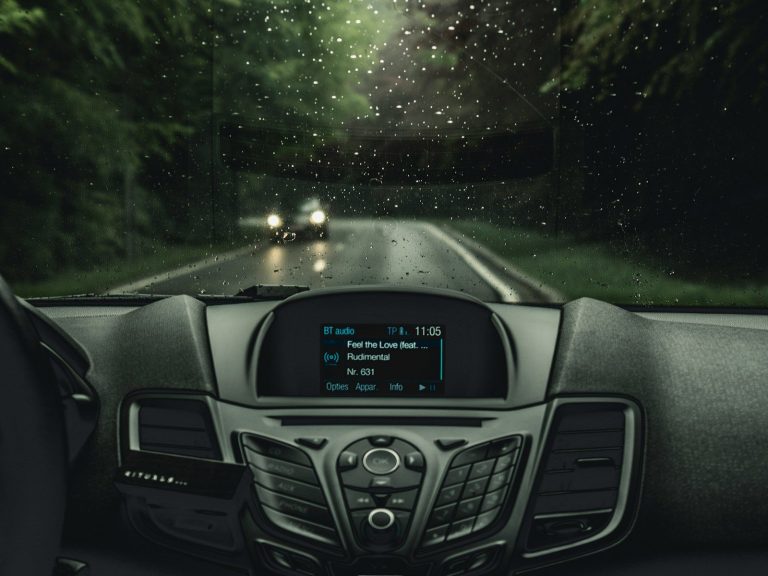
Modern vehicles are no longer just machines that move from one place to another. They have evolved into connected, digital environments designed to inform, entertain, and assist drivers in real time.
At the center of this transformation lies the function of car infotainment system, a technology that blends multimedia, connectivity, and vehicle controls into one integrated platform.
Over the past decade, infotainment systems have shifted from simple radio units with CD players to advanced touchscreen hubs.
Today’s systems offer smartphone integration, voice commands, real-time navigation, and even vehicle diagnostics.
In many mid-range vehicles priced between $20,000 and $35,000, a sophisticated infotainment interface is now a standard feature rather than a luxury add-on.
Understanding the function of car infotainment system helps drivers maximize convenience, safety, and overall driving enjoyment.
This article explores how these systems work, their core components, safety implications, and future developments shaping the automotive industry.
The Core Purpose of an Infotainment System
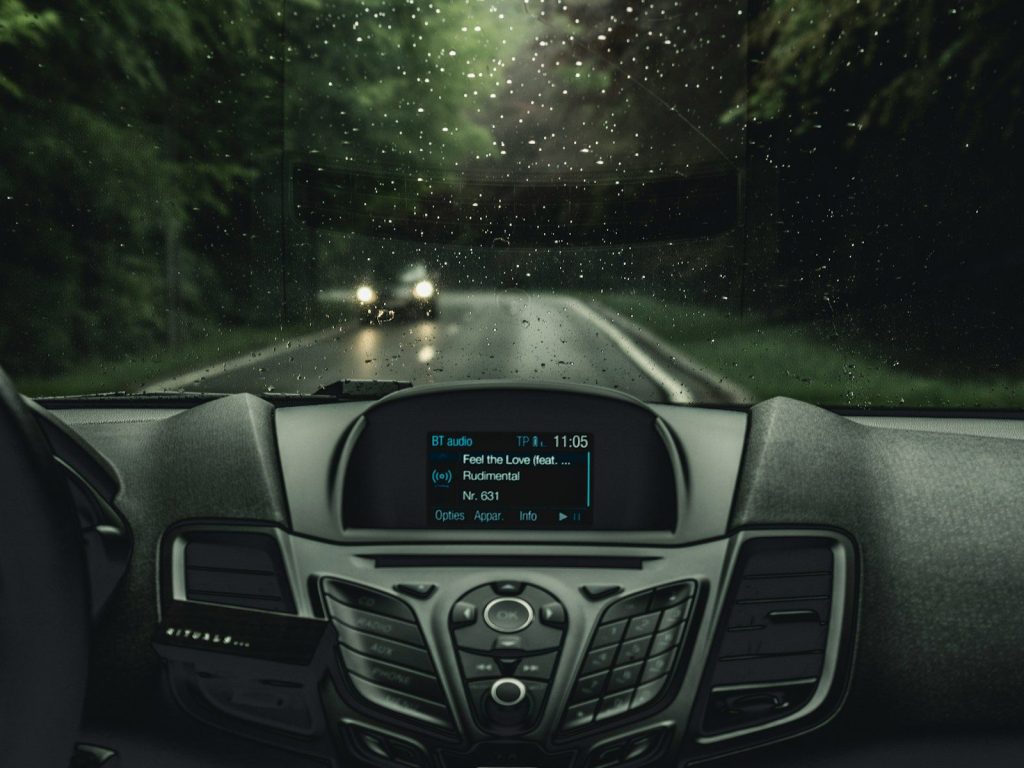
At its most basic level, the function of car infotainment system is to centralize information and entertainment features within a vehicle.
It combines audio, navigation, communication, and sometimes climate or vehicle settings into a unified interface.
Manufacturers design these systems to reduce dashboard clutter. Instead of separate knobs and buttons for every function, a touchscreen or digital display consolidates controls into one manageable space.
Beyond convenience, infotainment systems also improve user experience. Drivers can switch from music to navigation with a tap or voice command.
This seamless integration allows for smoother transitions between tasks without distraction.
As vehicles become more software-driven, the function of car infotainment system expands further. It now plays a key role in how drivers interact with their cars on a daily basis.
Entertainment Features and Media Control
One of the most visible aspects of infotainment technology is entertainment. While this may seem straightforward, the depth of features available today is impressive.
1. Audio Playback and Streaming
Traditional AM/FM radio remains standard, but modern systems go far beyond that. Most vehicles now support:
- Bluetooth audio streaming
- USB media playback
- Satellite radio subscriptions
- Music streaming apps integration
Drivers can access thousands of songs instantly, either from their smartphone or built-in apps.
Premium systems often include 6 to 14 speakers, while high-end models may feature 20-speaker setups with subwoofers.
This evolution highlights the broader function of car infotainment system as an entertainment hub rather than a simple radio replacement.
2. Video and Rear-Seat Entertainment
In family-oriented vehicles such as SUVs and minivans, rear-seat screens provide video streaming or DVD playback. These systems keep passengers engaged during long trips.
Although drivers cannot watch video while driving for safety reasons, parked playback and rear-seat viewing enhance passenger comfort significantly.
3. Personalized Media Settings
Many infotainment systems allow users to create driver profiles. These profiles save preferred radio stations, seat positions, and climate settings.
This personalization shows how the function of car infotainment system extends beyond media to create a tailored in-car environment.
Navigation and Real-Time Information
Navigation is another core element. Early GPS devices were standalone units mounted on windshields. Today, navigation is fully integrated into the vehicle’s central display.
Built-In GPS Systems
Factory-installed navigation uses satellite data to provide turn-by-turn directions. Some systems include 3D maps, traffic updates, and lane guidance.
Advanced systems even display speed limits and road hazard warnings.
This makes the function of car infotainment system crucial for safe and efficient route planning.
Smartphone Integration
Technologies such as Apple CarPlay and Android Auto mirror smartphone apps onto the vehicle screen.
This enables drivers to use Google Maps, Waze, or Apple Maps directly from the dashboard.
Because smartphone apps update frequently, they often provide more current traffic and road data than standalone GPS systems.
Over-the-Air Updates
Newer vehicles support software updates via Wi-Fi or cellular networks.
These updates improve navigation accuracy, add features, and fix bugs without requiring dealership visits.
In vehicles with connected services subscriptions costing around $10–$25 per month, real-time traffic and weather data become part of the function of car infotainment system.
Connectivity and Communication
Connectivity defines the modern driving experience. Cars are increasingly connected to smartphones, cloud services, and even other vehicles.
Hands-Free Calling and Messaging
Bluetooth pairing allows drivers to make calls without touching their phones. Voice command systems read incoming messages aloud and allow voice replies.
This capability improves safety by minimizing manual phone handling while driving.
Voice Assistants
Many systems now integrate digital assistants such as Siri, Google Assistant, or proprietary manufacturer systems.
Drivers can adjust temperature, play music, or set navigation destinations using voice commands.
As voice recognition technology improves, the function of car infotainment system becomes more intuitive and less distracting.
Wi-Fi Hotspot Capability
Some vehicles include built-in 4G or 5G connectivity, turning the car into a mobile hotspot. This feature is particularly useful for families or business travelers who need reliable internet access on the road.
Data plans vary, but average costs range from $15 to $30 per month depending on usage.
Vehicle Information and Control Integration
Infotainment systems increasingly connect with the vehicle’s internal systems. They do more than play music or provide directions.
1. Vehicle Diagnostics and Status
Drivers can check fuel economy, tire pressure, oil life, and maintenance reminders through the infotainment screen.
This real-time data helps prevent mechanical issues and supports proactive maintenance.
2. Climate and Comfort Controls
In many newer cars, climate control settings are accessible through the touchscreen.
Heated seats, steering wheel heating, and airflow adjustments are often managed digitally.
This shift reduces physical buttons but requires intuitive software design to avoid driver frustration.
3. Advanced Driver Assistance Display
Some systems display information from advanced driver assistance systems (ADAS).
Lane departure warnings, parking sensors, and 360-degree camera views appear directly on the central screen.
In this context, the function of car infotainment system overlaps with safety systems, creating a unified digital command center.
Safety Considerations and User Experience
While infotainment systems enhance convenience, they must balance features with safety.
Minimizing Driver Distraction
Large touchscreens can be distracting if poorly designed. Manufacturers invest heavily in interface testing to ensure essential functions require minimal steps.
Voice commands and steering-wheel-mounted controls help reduce the need to look away from the road.
Screen Size and Ergonomics
Typical infotainment screens range from 7 to 15 inches. Larger displays improve visibility but must remain positioned within natural line of sight.
Proper placement supports the core function of car infotainment system without compromising safety.
Software Responsiveness
Laggy systems frustrate drivers and increase distraction. Most modern units now operate with faster processors similar to tablets, reducing response time significantly.
Our editorial team has had direct exposure to multiple infotainment platforms while covering automotive technology launches and conducting long-term vehicle reviews.
In hands-on testing across compact sedans and premium SUVs, we observed that intuitive interface design and quick response times consistently influenced driver satisfaction more than screen size alone.
This firsthand evaluation reinforced how critical usability is to the function of car infotainment system in real-world driving conditions.
You May Also Like: Function of Car Air Conditioning System
Cost, Upgrades, and Aftermarket Options
Infotainment systems vary widely in cost and sophistication.
Entry-level vehicles may include basic touchscreen systems at no extra charge.
However, upgrading to premium systems with navigation and branded audio can add $1,000 to $3,000 to a vehicle’s price.
Aftermarket systems offer alternatives for older cars. Replacing a factory head unit with a modern touchscreen typically costs between $300 and $1,200 including installation.
When considering upgrades, buyers should evaluate:
- Compatibility with smartphone platforms
- Screen resolution and brightness
- Audio output quality
- Update support and warranty
These factors determine whether the function of car infotainment system will meet long-term needs.
Future Trends in Infotainment Technology
The automotive industry continues to innovate rapidly. Infotainment systems are becoming more intelligent and interconnected.
Artificial intelligence integration allows systems to learn driver preferences over time.
Predictive navigation may suggest routes based on daily routines.
Augmented reality displays could project navigation directions onto the windshield.
Meanwhile, integration with smart home devices may allow drivers to control home lighting or security systems directly from the car.
Electric vehicles further expand the function of car infotainment system by displaying battery range analytics, charging station availability, and energy efficiency data in real time.
As vehicles move toward autonomous driving capabilities, infotainment systems may transform into full digital living spaces where productivity and entertainment become central experiences.
Conclusion
The modern vehicle is no longer defined solely by horsepower or fuel efficiency. Digital connectivity now plays a central role in shaping the driving experience.
Understanding the function of car infotainment system reveals how deeply integrated technology has become within automotive design.
From streaming music and real-time navigation to vehicle diagnostics and voice control, infotainment systems combine convenience, safety, and personalization into one platform.
Their capabilities continue to evolve alongside advances in connectivity and software development.
For drivers, the key is not just having advanced features, but knowing how to use them effectively.
When designed well, the function of car infotainment system enhances comfort, supports safer driving habits, and transforms everyday commutes into connected experiences.
As automotive technology progresses, infotainment systems will remain at the heart of innovation, shaping how drivers interact with their vehicles for years to come.
You May Also Read: Car Audio Systems: A Beginner’s Guide