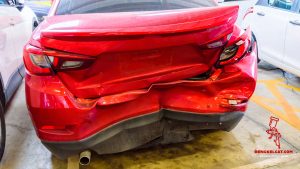
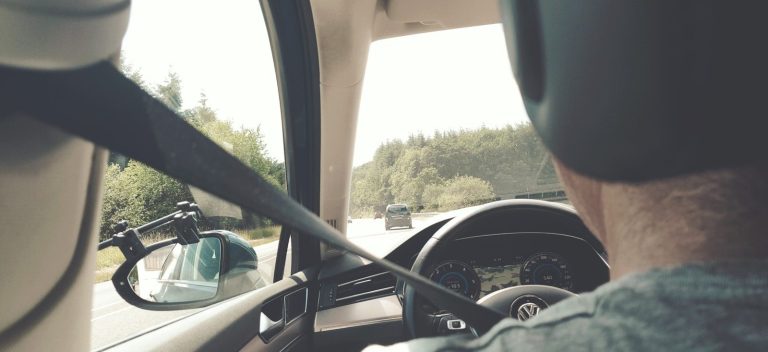
Every time you enter a vehicle, you make a decision within seconds: buckle up or skip it.
While fastening a seat belt may seem like a routine habit, it remains one of the most critical safety actions a driver or passenger can take.
Understanding why seat belts are important in cars goes beyond simply following the law—it directly relates to survival, injury prevention, and overall road safety.
Modern vehicles are equipped with advanced safety technologies such as airbags, crumple zones, and collision avoidance systems.
However, none of these features can fully protect occupants without a properly worn seat belt.
It acts as the primary restraint system, keeping passengers securely positioned during sudden stops or crashes.
This article explores the science, legal aspects, real-world impact, and long-term benefits of wearing seat belts.
By the end, you will clearly understand why seat belts are important in cars and how this simple device continues to save millions of lives worldwide.
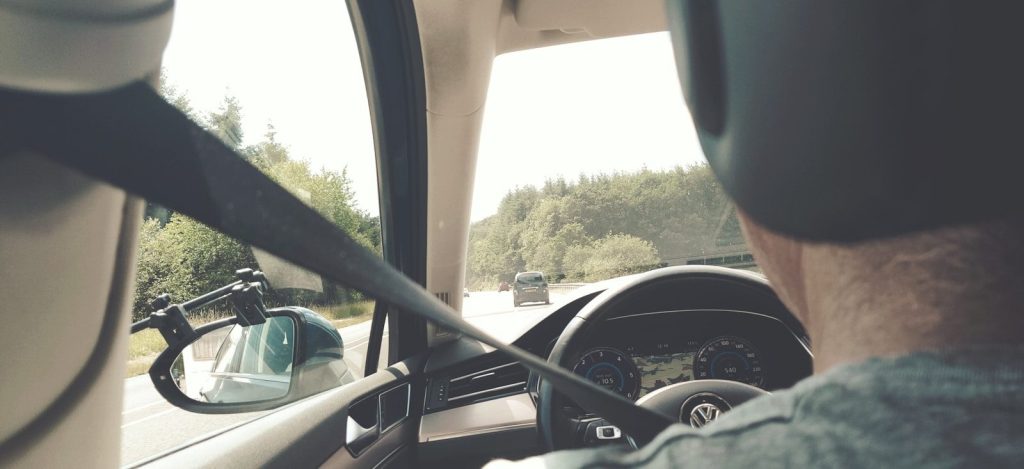
The Science Behind Seat Belt Safety
To fully understand why seat belts are important in cars, it helps to look at basic physics.
When a vehicle traveling at 60 km/h (37 mph) suddenly stops, everything inside continues moving at the same speed until something stops it.
Without a seat belt, that “something” is often the dashboard, windshield, or steering wheel.
Seat belts work by distributing crash forces across the strongest parts of the body, such as the pelvis and chest. This reduces the risk of severe injuries to vital organs.
1. Force Distribution and Impact Reduction
In a collision, the force exerted on the body can be several times your weight.
A 70 kg (154 lb) person in a crash at moderate speed can experience forces equivalent to several tons.
A properly worn seat belt spreads this force over a wider surface area.
Instead of concentrating impact on the head or abdomen, it protects critical regions and reduces internal trauma.
2. Preventing Ejection from the Vehicle
One of the most dangerous outcomes of a crash is being thrown out of the vehicle.
Ejected passengers are significantly more likely to suffer fatal injuries.
Seat belts keep occupants inside the protective frame of the car.
This alone explains a major part of why seat belts are important in cars, especially in high-speed collisions or rollovers.
How Seat Belts Work with Other Safety Systems
Many drivers assume airbags alone provide enough protection.
In reality, airbags are designed to work in combination with seat belts, not replace them.
When analyzing why seat belts are important in cars, it is essential to understand this partnership.
Seat Belts and Airbags: A Coordinated System
Airbags deploy within milliseconds of a collision.
Without a seat belt, the occupant may already be too far forward when the airbag inflates.
This can result in severe injuries instead of protection.
Seat belts keep the body correctly positioned so airbags can cushion the impact effectively.
Together, they significantly reduce head and chest injuries.
Modern Seat Belt Technologies
Today’s vehicles use advanced restraint systems, including:
- Pretensioners that tighten instantly during impact
- Load limiters that reduce chest pressure
- Adjustable upper anchors for better fit
- Seat belt reminders and warning systems
These innovations further demonstrate why seat belts are important in cars, even as vehicle technology evolves.
Legal Requirements and Societal Impact
In most countries, wearing a seat belt is mandatory by law.
Fines typically range from $25 to $200 depending on location, and repeat offenses may result in higher penalties or license points.
However, legal enforcement is only one aspect of why seat belts are important in cars. The broader societal impact is equally significant.
Traffic accidents cost billions of dollars annually in medical expenses, lost productivity, and insurance claims.
Seat belt use reduces injury severity, lowering healthcare burdens and long-term disability cases.
When more people buckle up, emergency response systems face fewer catastrophic injuries. This contributes to safer communities and reduced public costs.
Also Read: Understanding Car Impact Protection Systems
Reducing Injury Severity and Fatality Rates
Statistical analyses consistently show that seat belts reduce the risk of death in passenger cars by approximately 45–50%.
In light trucks and SUVs, the reduction is often around 60%.
These numbers clearly reinforce why seat belts are important in cars from a public health perspective.
Common Injuries Prevented by Seat Belts
Seat belts significantly lower the risk of:
- Traumatic brain injuries
- Spinal cord damage
- Severe facial fractures
- Chest and rib fractures
- Ejection-related fatalities
While minor bruising from the belt may occur, these injuries are far less severe than those sustained without restraint.
Protection for All Occupants, Not Just Drivers
Many people focus on drivers when discussing road safety.
However, passengers face equal or even greater risk if unrestrained.
Rear-seat passengers who do not wear seat belts can become projectiles during a crash, injuring themselves and others in the vehicle.
Understanding why seat belts are important in cars includes recognizing that every occupant must buckle up, regardless of seating position.
Children require additional protection through properly installed car seats or booster seats.
Seat belts serve as the foundation of these child restraint systems.
Psychological and Behavioral Aspects
Habit formation plays a major role in seat belt use.
Drivers who consistently buckle up set a positive example for passengers, especially children.
Safety campaigns often emphasize personal responsibility.
Recognizing why seat belts are important in cars can shift behavior from compliance to conscious safety awareness.
Drivers who wear seat belts also tend to adopt safer driving practices overall.
This includes obeying speed limits and maintaining safe following distances.
Economic Benefits of Seat Belt Usage
Beyond physical safety, seat belts offer financial protection.
Medical treatment for severe crash injuries can exceed $50,000 or more depending on severity.
Long-term rehabilitation and lost income can push costs significantly higher.
By reducing injury severity, seat belts minimize hospital stays, surgical procedures, and long-term care expenses.
Insurance claims are often lower when injuries are less severe.
This economic perspective further clarifies why seat belts are important in cars for individuals and families alike.
Common Myths About Seat Belts
Despite overwhelming evidence, some myths persist.
One common belief is that seat belts trap occupants in burning or submerged vehicles.
In reality, such scenarios are rare. Being unconscious due to impact is far more likely without a seat belt.
Another myth suggests that short trips do not require buckling up.
However, many collisions occur within 5–10 kilometers of home.
Dispelling these misconceptions strengthens awareness of why seat belts are important in cars in everyday situations.
You May Also Like: Vehicle Safety Issues Most Drivers Never Think About
Real-World Observations from the Field
Our team has observed emergency response procedures and interviewed traffic safety officers while covering road safety initiatives.
In multiple crash reports, first responders consistently emphasized that restrained occupants had significantly better outcomes.
Vehicles with severe structural damage often had survivors simply because seat belts were worn correctly.
These firsthand insights reinforce the undeniable reality of why seat belts are important in cars beyond statistics alone.
Seat Belts in Different Types of Collisions
Different crash types present varying risks.
Frontal Collisions
These are among the most common and often the most severe.
Seat belts prevent occupants from striking the steering wheel or dashboard.
Side-Impact Collisions
In side impacts, the body moves laterally. Seat belts limit excessive movement, reducing internal injuries.
Rollovers
During rollovers, occupants without seat belts may be thrown around violently or ejected.
Wearing a restraint system is critical in such scenarios.
Each crash type highlights another dimension of why seat belts are important in cars.
The Future of Seat Belt Technology
Automotive manufacturers continue refining restraint systems.
Emerging technologies include inflatable seat belts that spread force even more effectively, particularly for rear-seat passengers.
As vehicle automation increases, some may mistakenly assume safety systems replace personal responsibility.
However, regardless of technological advances, understanding why seat belts are important in cars remains fundamental.
Even self-driving vehicles rely on physical restraint systems during unexpected mechanical failures or high-impact events.
Encouraging Consistent Usage
Creating consistent habits is key to maximizing safety.
Simple strategies include:
- Buckling up before starting the engine
- Ensuring all passengers are secured before moving
- Teaching children proper seat belt use early
- Adjusting belts for correct fit across the shoulder and hips
These small steps significantly increase protection.
Recognizing why seat belts are important in cars transforms seat belt use from obligation to essential safety behavior.
Conclusion
Seat belts are one of the simplest yet most effective safety devices ever developed for vehicles.
They reduce fatalities, minimize severe injuries, and work in coordination with advanced technologies like airbags.
Understanding why seat belts are important in cars involves physics, public health, economics, and personal responsibility.
From preventing ejection to lowering medical costs, their impact extends far beyond a single moment of impact.
Every journey, whether short or long, carries potential risks.
By consistently wearing a seat belt and encouraging others to do the same, you significantly improve survival chances and contribute to safer roads for everyone.
In the end, fastening a seat belt takes only a few seconds—but it can make the difference between life and death.
May You Also Like: How to Care for Leather Car Seats Properly