
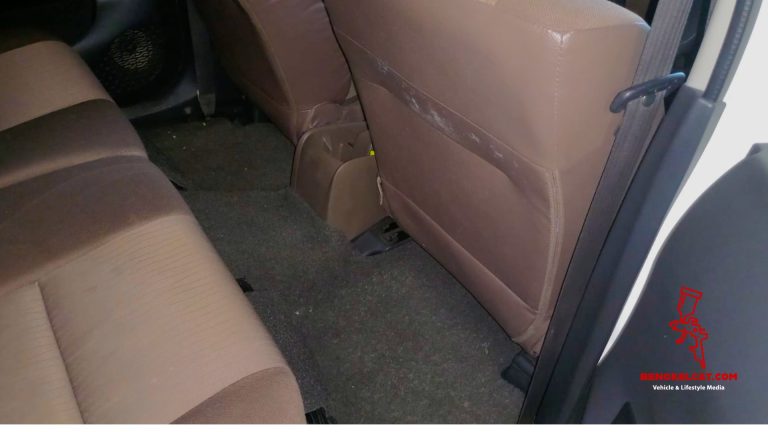
Car floor mats may seem like simple accessories, but they play a critical role in protecting your vehicle’s interior.
Every time you step into your car, you bring in dirt, water, sand, and debris from outside.
Without proper protection, these contaminants accumulate quickly and damage the flooring underneath.
Understanding the Function of car floor mats and their types helps drivers choose the right product for their needs while extending the life of their vehicle’s interior.
Floor mats are not just decorative additions; they serve practical, safety, and even financial purposes.
In this comprehensive guide, we will explore their core functions, the different types available, materials used, maintenance tips, and how to select the best option for your driving conditions.
Why Car Floor Mats Are Essential for Interior Protection
The primary purpose of car floor mats is to shield the vehicle’s carpet from damage. The original carpet is often made from fabric blends that absorb moisture and trap dirt.
Over time, accumulated moisture can lead to mold growth, unpleasant odors, and even corrosion beneath the flooring.
Replacing factory-installed carpet can cost between $500 and $1,500 depending on the vehicle model.
When discussing the Function of car floor mats and their types, protection against wear and tear is always the first point to consider.
Protection Against Dirt and Debris
Shoes carry small stones, mud, and sand into the cabin. These particles act like sandpaper, gradually wearing down carpet fibers.
Floor mats create a removable barrier. Instead of cleaning the entire interior carpet, you simply remove and clean the mat.
Moisture Control
Rainwater, melted snow, and spilled drinks can soak into carpets if unprotected. Rubber or all-weather mats prevent water from penetrating deeper layers.
This feature is particularly important in colder climates where road salt accelerates corrosion.
Enhancing Resale Value
A clean, well-maintained interior significantly improves resale value.
Buyers often inspect the floor area carefully because it reveals how well the vehicle was maintained.
Using proper mats preserves original carpet condition, which can increase resale price by several hundred dollars.
Main Types of Car Floor Mats
Different materials and designs serve different purposes. Choosing the right type depends on climate, usage, and personal preference.
Also Read: How Vehicle Climate Systems Affect Driving Comfort
1. Carpet Floor Mats
Carpet mats are typically made from nylon or polyester fibers. They offer a soft feel and blend seamlessly with the interior design.
These mats are common in passenger vehicles and sedans.
Advantages include:
- Comfortable texture
- Aesthetic integration
- Affordable pricing ($30–$80 per set)
However, they absorb moisture and require regular cleaning.
2. Rubber Floor Mats
Rubber mats are durable and water-resistant. They are ideal for rainy or snowy conditions.
Most rubber mats feature raised edges to trap water and dirt.
They are easy to rinse and dry, making them practical for daily drivers.
Prices generally range from $40 to $120 depending on brand and quality.
When evaluating the Function of car floor mats and their types, rubber options stand out for durability and weather resistance.
3. All-Weather Floor Mats
All-weather mats are made from heavy-duty thermoplastic materials. They are designed for extreme conditions.
These mats often include deep channels that capture water, mud, and debris.
SUV and truck owners frequently choose this type due to outdoor exposure.
4. Custom-Fit Floor Mats
Custom-fit mats are designed specifically for certain vehicle models. They provide precise coverage and secure placement.
Laser-measured mats cover more surface area compared to universal mats.
While more expensive—often $100 to $250—they provide maximum protection and safety.
5. Luxury and Premium Mats
Premium mats use high-density carpet or layered materials. Some include stitched edges, embroidered logos, or additional padding.
These are common in luxury vehicles where interior aesthetics are a priority.
Understanding the Function of car floor mats and their types allows drivers to match product features with their specific needs.
Also Read: How to Clean Automotive Carpet: A Simple Guide
Materials Used in Floor Mats
Material quality determines durability and performance.
Rubber
Rubber is flexible, waterproof, and easy to clean. It performs well in wet conditions.
Thermoplastic Elastomer (TPE)
TPE combines flexibility with structural strength. It resists cracking in extreme temperatures.
Nylon and Polyester
These synthetic fibers offer softness and design flexibility. However, they require more frequent cleaning.
Material selection directly influences how effectively mats perform their protective role.
Safety Considerations
Floor mats must fit securely. Loose mats can slide forward and interfere with brake or accelerator pedals.
Many modern vehicles include retention hooks that anchor mats in place.
Always ensure compatibility with your vehicle model to avoid safety hazards.
The Function of car floor mats and their types extends beyond cleanliness—it includes maintaining safe pedal operation.
Maintenance and Cleaning Tips
Proper care extends the lifespan of floor mats.
For Carpet Mats
Vacuum weekly to remove dirt. Use fabric cleaner for stains.
Allow mats to dry completely before reinstalling to prevent mold.
For Rubber or All-Weather Mats
Remove and rinse with water. Use mild soap if needed.
Dry thoroughly to avoid trapping moisture inside the cabin.
Regular maintenance keeps mats effective and hygienic.
Seasonal Considerations
Driving conditions vary by season, affecting mat performance.
In winter, snow and road salt require waterproof mats with deep grooves.
During summer, sand from beaches or dusty roads may accumulate quickly.
Some drivers switch between carpet mats in dry seasons and rubber mats during rainy months.
Adapting to seasonal changes enhances the Function of car floor mats and their types in different environments.
Environmental Impact and Sustainability
Some manufacturers now produce eco-friendly mats made from recycled materials.
Recyclable TPE and biodegradable rubber blends reduce environmental footprint.
Although slightly more expensive, sustainable options appeal to environmentally conscious consumers.
Cost vs. Long-Term Savings
Investing in high-quality mats reduces long-term interior repair costs.
For example:
- Replacing damaged carpet: $500–$1,500
- Purchasing premium mats: $150–$250
The cost difference highlights the financial benefit of proper interior protection.
When analyzing the Function of car floor mats and their types, cost efficiency becomes an important factor.
Professional Perspective from Field Experience
Our team has observed vehicle interior inspections during automotive resale evaluations and dealership assessments.
In many cases, vehicles equipped with high-quality, custom-fit mats showed minimal carpet wear even after five years of use.
Conversely, vehicles without proper mats often displayed stains, moisture damage, and unpleasant odors.
These observations reinforced how critical the Function of car floor mats and their types is in preserving interior condition and resale value.
Choosing the Right Floor Mat for Your Vehicle
Selecting the right mat involves evaluating your driving habits.
Ask yourself:
- Do you drive in rainy or snowy climates?
- Do you frequently transport pets or children?
- Is interior appearance a priority?
- Do you prefer easy cleaning over luxury feel?
Drivers in harsh climates benefit most from all-weather or rubber mats.
Urban commuters in mild weather may prefer carpet mats for comfort and style.
Understanding your needs ensures you maximize the Function of car floor mats and their types effectively.
Customization and Interior Design
Floor mats contribute to interior aesthetics.
Manufacturers offer color variations, stitched borders, and logo options.
Some drivers coordinate mat color with seat upholstery for a cohesive look.
While protection is the primary goal, style adds personal character to the vehicle.
Common Mistakes to Avoid
Many drivers overlook simple precautions.
Avoid stacking multiple mats on top of each other, as this can cause sliding.
Do not install universal mats that are too small, leaving carpet exposed.
Avoid ignoring trapped moisture under mats, especially after heavy rain.
Addressing these issues improves safety and longevity.
Future Trends in Floor Mat Technology
Automotive accessories continue to evolve.
Emerging trends include antimicrobial coatings, odor-resistant materials, and 3D-molded designs for maximum coverage.
Some high-end electric vehicles now feature integrated floor protection systems built directly into the cabin structure.
Innovation continues to expand the Function of car floor mats and their types beyond basic protection.
Conclusion
Car floor mats are small components with significant impact.
They protect against dirt, moisture, and wear while enhancing interior cleanliness and safety.
From carpet and rubber to all-weather and custom-fit options, each type serves specific purposes based on climate and driving conditions.
Understanding the Function of car floor mats and their types allows drivers to make informed decisions that protect their vehicle’s interior and maintain long-term value.
With proper selection and maintenance, floor mats become a smart investment rather than a simple accessory.
Whether you prioritize durability, comfort, or style, choosing the right floor mat ensures your car interior remains clean, safe, and well-preserved for years to come.
You May Also Like: How to Clean Fabric Car Seats Safely