
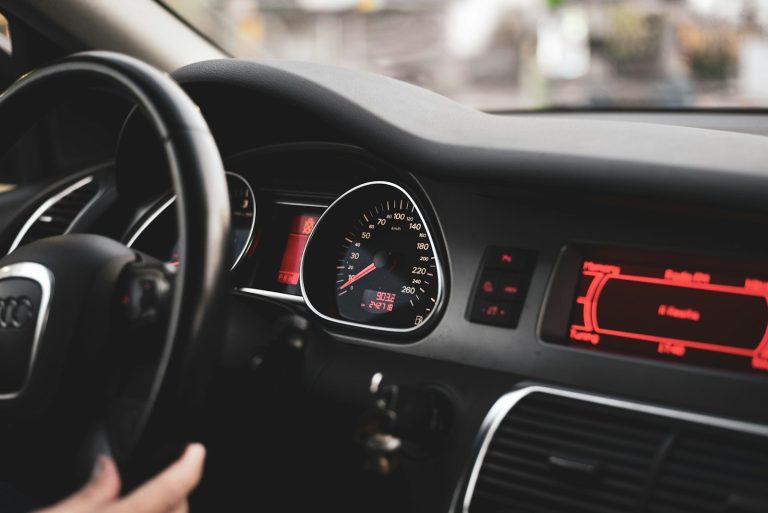
The dashboard is more than just a panel in front of the driver. It acts as the central communication hub between the vehicle and the person behind the wheel.
Every warning light, gauge, screen, and switch plays a role in ensuring safe and efficient driving.
Understanding the function of car dashboard components and examples helps drivers respond quickly to issues, maintain their vehicles properly, and use onboard technology more effectively.
Modern dashboards combine mechanical indicators with advanced digital systems, making them more sophisticated than ever.
In this article, we will explore the purpose of each major dashboard component, how they work together, and real-world examples you are likely to encounter in today’s vehicles.
The Core Purpose of the Car Dashboard
The primary goal of a car dashboard is to provide real-time information and vehicle control access.
It allows drivers to monitor speed, engine condition, fuel levels, and warning alerts without taking their eyes off the road for long.
Historically, dashboards were simple metal panels holding a few analog gauges.
Today, they integrate digital displays, touchscreens, climate controls, and safety system indicators.
To fully understand the function of car dashboard components and examples, it helps to break the dashboard into three major roles:
- Information display
- Vehicle control interface
- Safety alert system
Each category contributes to a safer and more comfortable driving experience.
Instrument Cluster: Monitoring Vehicle Performance
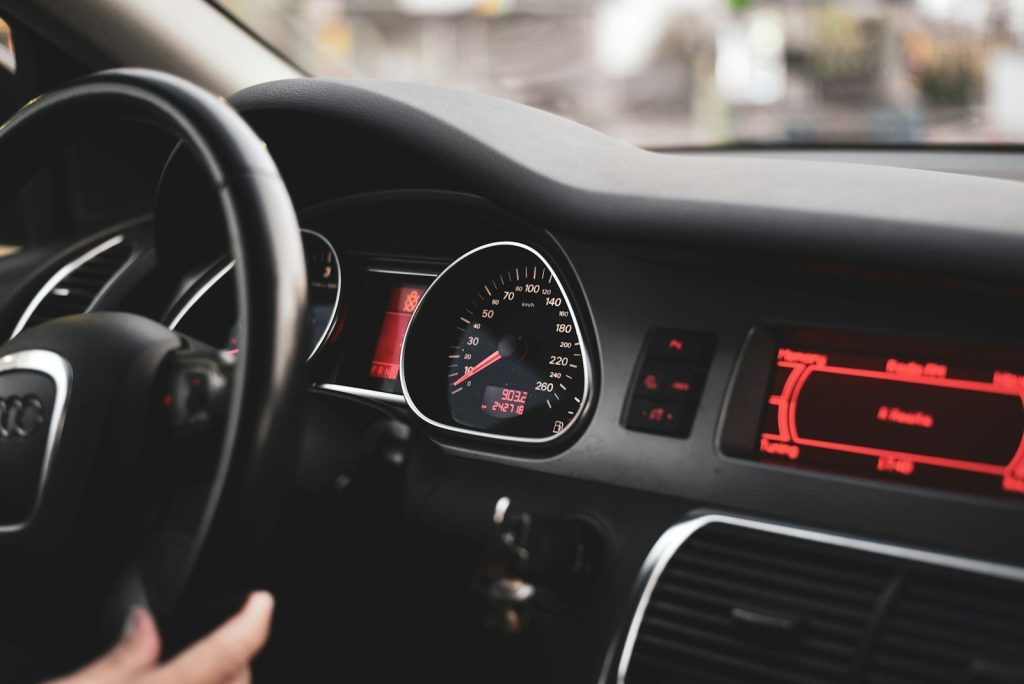
The instrument cluster sits directly behind the steering wheel. It contains the most critical gauges and warning indicators.
1. Speedometer
The speedometer shows how fast the vehicle is traveling, usually in miles per hour (mph) or kilometers per hour (km/h).
Digital versions display speed numerically, while analog versions use a needle and dial.
Accurate speed monitoring prevents traffic violations and supports safe driving.
2. Tachometer
The tachometer measures engine revolutions per minute (RPM). It helps drivers avoid over-revving the engine, especially in manual transmission vehicles.
Maintaining RPM within the recommended range improves fuel efficiency and extends engine life.
3. Fuel Gauge
The fuel gauge indicates how much fuel remains in the tank. Most vehicles display fuel levels in fractions (E to F) or as digital bars.
Running out of fuel can damage fuel pumps, so monitoring this gauge is essential.
4. Engine Temperature Gauge
This gauge measures engine coolant temperature. If it rises too high, the engine may overheat.
Overheating can lead to repairs costing between $500 and $3,000 depending on severity.
These gauges represent fundamental examples when explaining the function of car dashboard components and examples in everyday driving.
Warning Lights and Indicator Symbols
Warning lights serve as the vehicle’s early detection system. They alert drivers to mechanical or electrical issues.
Common Warning Lights Include:
- Check Engine Light
- Oil Pressure Warning
- Battery Charging Alert
- ABS (Anti-lock Braking System) Light
- Airbag Warning Light
Each symbol has a specific meaning. For instance, the oil pressure light may indicate low oil levels or pump failure.
Ignoring dashboard warnings can result in costly repairs. For example, driving with low oil pressure may cause engine seizure within minutes.
Understanding the function of car dashboard components and examples ensures drivers respond promptly instead of dismissing warning signals.
Infotainment System and Digital Displays
Modern dashboards now include infotainment systems that combine entertainment, navigation, and connectivity features.
Touchscreen Displays
Most new vehicles feature screens ranging from 7 to 15 inches. These displays control navigation, media playback, smartphone integration, and vehicle settings.
Some premium models even use dual screens for driver and passenger interaction.
Navigation Systems
Integrated GPS navigation provides real-time traffic updates and route guidance.
Advanced systems include voice commands, reducing driver distraction.
Smartphone Connectivity
Apple CarPlay and Android Auto allow drivers to mirror apps directly onto the dashboard screen.
This connectivity enhances communication and convenience.
When discussing the function of car dashboard components and examples, infotainment systems represent the evolution of dashboards from mechanical panels to digital control centers.
Climate Control and Comfort Systems
Dashboard controls also manage cabin comfort.
Manual Climate Controls
Traditional systems use knobs or sliders to adjust temperature, fan speed, and airflow direction.
Automatic Climate Control
Automatic systems maintain a preset temperature using sensors and electronic regulation.
Dual-zone climate control allows separate temperature settings for driver and passenger.
Comfort features improve driving satisfaction and reduce fatigue during long trips.
Recognizing these features highlights another aspect of the function of car dashboard components and examples in enhancing passenger experience.
Also Read: How Vehicle Climate Systems Affect Driving Comfort
Steering Wheel Controls and Driver Assistance Integration
Many dashboard functions extend to the steering wheel for convenience.
Audio and Call Controls
Drivers can adjust volume, change tracks, or answer calls without reaching for the central console.
Cruise Control Buttons
Cruise control allows the vehicle to maintain a set speed. Adaptive cruise control adjusts speed automatically based on traffic.
These controls reduce physical strain and improve highway efficiency.
By integrating steering wheel controls, manufacturers optimize the function of car dashboard components and examples for accessibility and safety.
Advanced Driver Assistance Indicators
Modern vehicles include driver assistance systems such as lane departure warning, blind spot monitoring, and collision alerts.
Dashboard indicators display system status and warnings.
For example:
- Lane departure icons illuminate when the vehicle drifts without signaling
- Collision warning alerts flash when detecting rapid closing distance
- Parking sensors display proximity graphics on the screen
These technologies significantly reduce accident risk.
Insurance data suggests advanced safety systems can reduce rear-end collisions by up to 50 percent.
Such innovations expand the function of car dashboard components and examples beyond basic information display into active safety management.
Heads-Up Display (HUD)
Some vehicles feature a heads-up display that projects key information onto the windshield.
This may include speed, navigation arrows, or warning alerts.
HUD systems reduce eye movement and improve reaction time.
Although often found in premium models, this feature is becoming more common in mid-range vehicles priced around $30,000 to $40,000.
Material and Structural Role of the Dashboard
Beyond electronics, the dashboard also serves structural and safety functions.
It houses airbag modules, wiring harnesses, and ventilation ducts.
In frontal collisions, the dashboard supports airbag deployment systems that inflate within milliseconds.
Material composition often includes reinforced plastic, foam padding, and impact-absorbing components.
Therefore, the function of car dashboard components and examples includes structural integrity and occupant protection.
Evolution from Analog to Digital Dashboards
Over the last two decades, dashboards have undergone significant transformation.
Analog Era
Vehicles from the 1990s and early 2000s relied heavily on mechanical gauges and physical buttons.
These systems were durable but limited in customization.
Digital Era
Modern dashboards use fully digital instrument clusters. Drivers can customize display layouts, colors, and information panels.
Electric vehicles often replace traditional gauges with minimalist digital interfaces.
This transition reflects how the function of car dashboard components and examples has expanded to meet technological advancements.
Maintenance and Troubleshooting
Dashboard components require occasional maintenance.
Common issues include:
- Flickering backlights
- Unresponsive touchscreens
- Faulty warning sensors
- Calibration errors in digital gauges
Replacing a faulty instrument cluster may cost between $500 and $1,500.
Software updates can resolve many digital display issues without hardware replacement.
Routine diagnostics prevent small problems from escalating into major electrical failures.
Professional Perspective from Field Experience
Our team has observed dashboard diagnostics during automotive service coverage and vehicle testing sessions
.In several cases, warning lights that drivers initially ignored pointed to minor issues such as loose fuel caps or low battery voltage.
However, when addressed promptly, repair costs remained under $150. In contrast, delayed responses led to engine or electrical damage exceeding $1,000.
These experiences reinforced the importance of understanding the function of car dashboard components and examples as a practical tool for preventive maintenance rather than just informational display.
Why Dashboard Literacy Improves Driving Safety
Drivers who understand dashboard indicators react faster in emergencies.
For example, recognizing an overheating symbol immediately can prevent engine failure.
Knowing the meaning of ABS or traction control alerts improves decision-making during slippery road conditions.
Awareness reduces panic and promotes confident vehicle operation.
Ultimately, education about the function of car dashboard components and examples contributes directly to road safety.
Conclusion
The dashboard is the operational heart of any vehicle. It delivers critical performance data, safety alerts, and comfort controls in a single integrated interface.
From speedometers and fuel gauges to infotainment systems and advanced driver assistance indicators, each element serves a clear purpose.
Modern dashboards blend mechanical reliability with digital innovation, creating a smarter driving environment.
Understanding the function of car dashboard components and examples empowers drivers to respond effectively to warnings, maintain their vehicles responsibly, and maximize safety on the road.
As automotive technology continues to evolve, dashboards will likely become even more interactive and intelligent.
However, their core mission will remain the same: to keep drivers informed, in control, and protected throughout every journey.
You May Also Like: The Ultimate Car Maintenance Guide Complete Vehicle Care from Engine to Exterior