
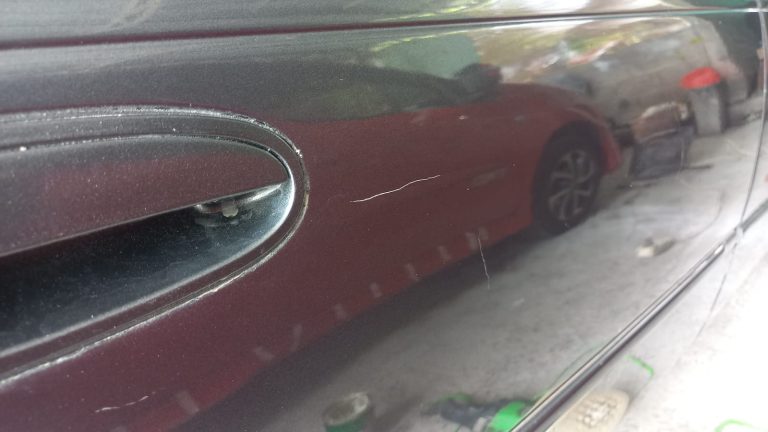
Light scratches on car paint are almost inevitable. They can appear from improper washing, brushing against bushes, minor contact in parking lots, or even automatic car washes. While they may seem small, these marks can reduce the shine and overall appearance of your vehicle.
The good news is that you do not always need professional machine polishing to fix minor paint defects. Learning how to remove light scratches from car paint by hand can save you hundreds of dollars and restore your car’s glossy finish with simple tools and proper technique.
This guide explains everything step by step, from identifying scratch depth to applying polish correctly and protecting the paint afterward.
Understanding Different Types of Car Paint Scratches
Before attempting any repair, you need to determine the type of scratch you are dealing with. Not all scratches are equal, and using the wrong method can make the problem worse.
Modern car paint consists of three main layers: primer, base color coat, and clear coat. Most light scratches affect only the clear coat.
Understanding how to remove light scratches from car paint by hand begins with identifying whether the scratch is superficial or deeper.
1. Clear Coat Scratches
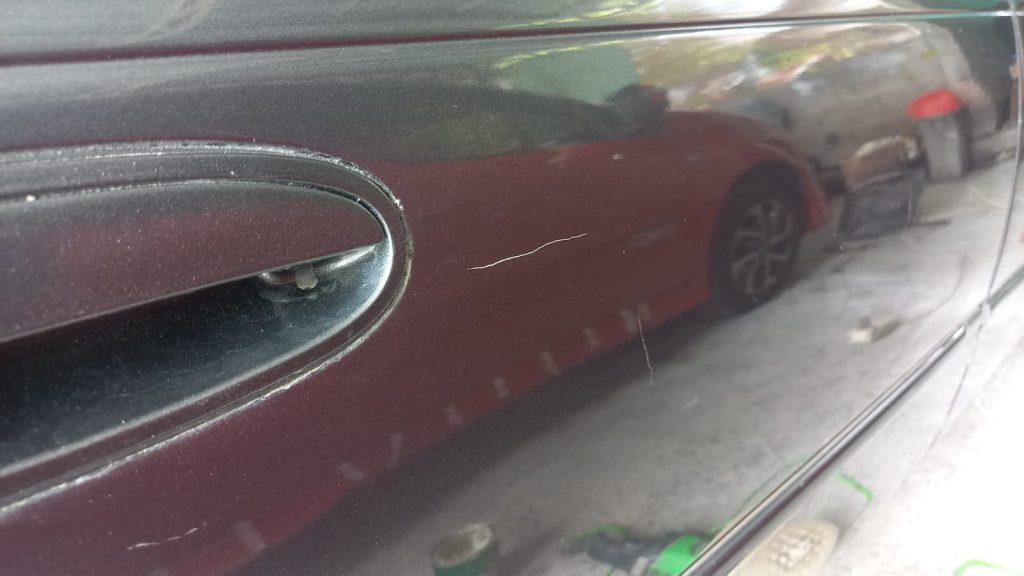
These are the most common and easiest to fix. They usually look like swirl marks or faint lines visible under sunlight.
You can test scratch depth by lightly running your fingernail across it. If your nail does not catch, it is likely a clear coat scratch.
2. Paint Layer Scratches
If your fingernail catches slightly and you see color differences, the scratch may have penetrated the base coat.
These require more advanced repair techniques and sometimes touch-up paint.
3. Deep Scratches
If you see exposed metal or primer, the damage is beyond light repair. Professional refinishing may cost between $300 and $1,500 depending on panel size.
For minor clear coat damage, mastering how to remove light scratches from car paint by hand is both practical and cost-effective.
Tools and Materials You Need
Repairing light scratches does not require expensive equipment. However, using proper products designed for automotive paint is essential.
Here are the basic items you will need:
- Car wash shampoo (pH balanced)
- Microfiber towels
- Scratch remover or rubbing compound
- Foam or microfiber applicator pads
- Finishing polish (optional)
- Car wax or paint sealant
A complete DIY kit usually costs between $30 and $80, far less than professional detailing services.
Having the right materials makes how to remove light scratches from car paint by hand safer and more efficient.
Step-by-Step Guide to Removing Light Scratches by Hand
Repairing scratches requires patience and careful technique. Rushing may create uneven results.
1. Wash and Dry the Surface Thoroughly
Start by cleaning the affected area. Dirt and dust can cause additional scratches during polishing.
Use proper car shampoo and rinse thoroughly. Dry with a microfiber towel.
A clean surface is essential when learning how to remove light scratches from car paint by hand, as contaminants can interfere with polishing.
2. Apply Scratch Remover or Rubbing Compound
Place a small amount of compound onto an applicator pad. Work on a small section, roughly 1 square foot at a time.
Use moderate pressure and move in straight or cross-hatch motions rather than circular scrubbing.
Continue rubbing for 30–60 seconds, then wipe off residue with a clean microfiber towel.
Check your progress under good lighting.
3. Repeat if Necessary
Light scratches may require two or three applications.
Avoid excessive pressure. Compounds work by gently leveling the clear coat, so patience is key.
Understanding how to remove light scratches from car paint by hand involves knowing when to stop. Over-polishing can thin the clear coat.
4. Finish with Polish (Optional)
After using compound, apply a finishing polish to restore full gloss.
Polish refines the surface and removes haze caused by the compound.
5. Apply Wax or Sealant
Polishing removes a small layer of protective clear coat. Applying wax or sealant protects the area and enhances shine.
Wax typically lasts 2–3 months, while sealants may protect for up to 6 months.
Protection is the final step in how to remove light scratches from car paint by hand effectively.
Common Household Alternatives: Do They Work?
You may find suggestions online recommending toothpaste or baking soda for scratch removal.
While toothpaste contains mild abrasives, it is not designed for automotive clear coat. It may provide temporary improvement but lacks consistency and protection.
For reliable results, always use automotive-specific compounds.
Choosing proper products ensures that how to remove light scratches from car paint by hand remains safe and controlled.
How Long Does the Process Take?
Repair time depends on scratch severity and panel size.
For minor scratches on a door panel:
- Washing and drying: 20 minutes
- Polishing by hand: 15–30 minutes
- Waxing: 15 minutes
In total, you can complete the job in about one hour.
More extensive areas may require additional time.
Consistency and careful inspection matter more than speed when practicing how to remove light scratches from car paint by hand.
Preventing Future Light Scratches
After restoring your paint, prevention becomes your priority.
Most light scratches occur due to improper washing techniques.
To reduce risk:
- Use the two-bucket washing method
- Avoid automatic brush car washes
- Use clean microfiber towels
- Apply wax regularly
- Avoid wiping dry dust off paint
Taking preventive measures protects the effort you invested in learning how to remove light scratches from car paint by hand.
When to Seek Professional Help
Some scratches may appear light but extend deeper than expected.
Consider professional detailing if:
- The scratch exposes primer or metal
- The affected area is large
- Hand polishing shows no improvement
- You feel uncertain about clear coat thickness
Professional paint correction with machine polishing may cost $200–$600, depending on damage severity.
Knowing your limits is part of understanding how to remove light scratches from car paint by hand responsibly.
Real-World Perspective from Hands-On Observation
Our team has observed professional detailers performing paint correction in automotive workshops and product demonstration events. In several cases, vehicles with light swirl marks were restored to near-new condition using only hand-applied compounds and finishing polish.
Detailers emphasized that technique, pressure control, and proper lighting inspection made a bigger difference than expensive tools. We also saw how aggressive rubbing created haze when done incorrectly. These real-world experiences confirmed that careful, controlled hand polishing can effectively address minor paint defects without machine equipment.
Frequently Asked Questions
Can all light scratches be removed by hand?
Most clear coat scratches can be improved significantly. However, deeper scratches may require professional intervention.
Is hand polishing safe for all paint types?
Yes, if you use appropriate products and moderate pressure. Modern clear coats are durable but should not be aggressively abraded.
How often can I polish my car?
Limit polishing to once or twice per year unless necessary. Excessive polishing thins the clear coat over time.
Understanding these practical concerns ensures how to remove light scratches from car paint by hand becomes a safe long-term solution.
Conclusion
Light scratches can make even a well-maintained car look neglected. Fortunately, with proper tools and technique, you can restore shine without professional equipment.
Learning how to remove light scratches from car paint by hand empowers you to maintain your vehicle’s appearance while saving money. From washing the surface properly to applying compound, polishing, and protecting with wax, each step plays a critical role.
Patience, attention to detail, and preventive maintenance are the keys to lasting results. By following this guide, you can confidently handle minor paint imperfections and keep your vehicle looking smooth, glossy, and well cared for.
Also Read: How to Fix Large Paint Chips on a Car